
The Velvet Chaise Longue: A Guide to Sophisticated Lounging and Style
Have you ever wondered if your home could feel less like a series of rooms and more like a curated retreat? A velvet chaise longue is often the missing piece in that puzzle, acting as a sensory bridge between the timeless elegance of heritage design and the practical needs of a modern household. You might feel a certain pull towards the rich textures and deep jewel tones of a well-crafted chaise, yet hesitate because of the perceived upkeep or the fear that such a bold item won't quite fit your existing floor plan.
It's completely natural to want a home that reflects your identity without becoming a museum piece that's too precious to touch. We're here to help you bridge that gap, offering the confidence to select a piece that balances expert craftsmanship with contemporary durability. In the following sections, we'll guide you through the process of identifying genuine quality, styling your new sanctuary, and maintaining that "as-new" lustre for years to come. You'll discover how to turn an empty corner into a favourite escape while ensuring your investment remains as practical as it is beautiful.
Table of Contents
What is a Velvet Chaise Longue? Defining the Ultimate Statement Piece
The term literally translates from French as a "long chair", yet this simple definition hardly captures the storied history or the evocative presence of a velvet chaise longue. Born in the refined salons of 18th-century France, these pieces were designed for the art of reclining, offering a dedicated space for repose that doesn't carry the heavy, communal bulk of a standard sofa. Whilst a sofa invites a group, a chaise longue is a more personal invitation; it's a sanctuary for one, or perhaps an intimate spot for two. The transition from the gilded halls of Paris to the modern British home has seen the silhouette evolve, yet its primary purpose remains unchanged: to provide a seat that prioritises elegance and individual comfort above all else.
The Anatomy of a Chaise Longue
Understanding the structure of this furniture is essential for choosing a piece that fits your lifestyle. A Chaise longue can take several forms, including the "meridienne" with its sloping asymmetric back, the "duchesse brisée" which consists of two or three separate parts, or the classic "recamier" with two raised ends. Beyond the shape, you'll need to consider the orientation. Left-arm or right-arm configurations are vital for room flow; you want the piece to guide the eye into the room rather than cutting off the space. A solid timber frame is the backbone of any quality piece, ensuring that the elegant curves you fall in love with today remain supportive for years to come.
The Allure of Velvet Upholstery
Velvet is the traditional partner for this silhouette because it behaves unlike any other fabric. The "pile" of the material creates a unique depth of colour that shifts as you move around the room, catching the light and highlighting the soft contours of the frame. This light-reflecting quality adds a sense of movement and drama, making a velvet chaise longue the undisputed hero of any interior scheme. There's a psychological comfort in soft textures too; sinking into a plush surface signals to the brain that it's time to decompress. When paired with the ornate carvings of Louis style chairs, velvet creates a rich, sensory experience that turns a simple corner into a curated retreat. It's this blend of heritage craftsmanship and tactile luxury that makes the chaise a timeless investment for the home.
Choosing the Right Style: From Louis XVI to Modern Minimalist
Selecting a velvet chaise longue is about more than just filling a space; it's an act of storytelling within your home. The history of the chaise reveals a fascinating shift from formal social settings to the pursuit of private relaxation, and your choice of silhouette should reflect how you intend to use the piece. If you're drawn to heritage and ornate details, the classic French aesthetic is hard to beat. Velvet pairs beautifully with the intricate, hand-finished carvings often found on Louis style chairs, creating a look that feels both regal and deeply inviting.
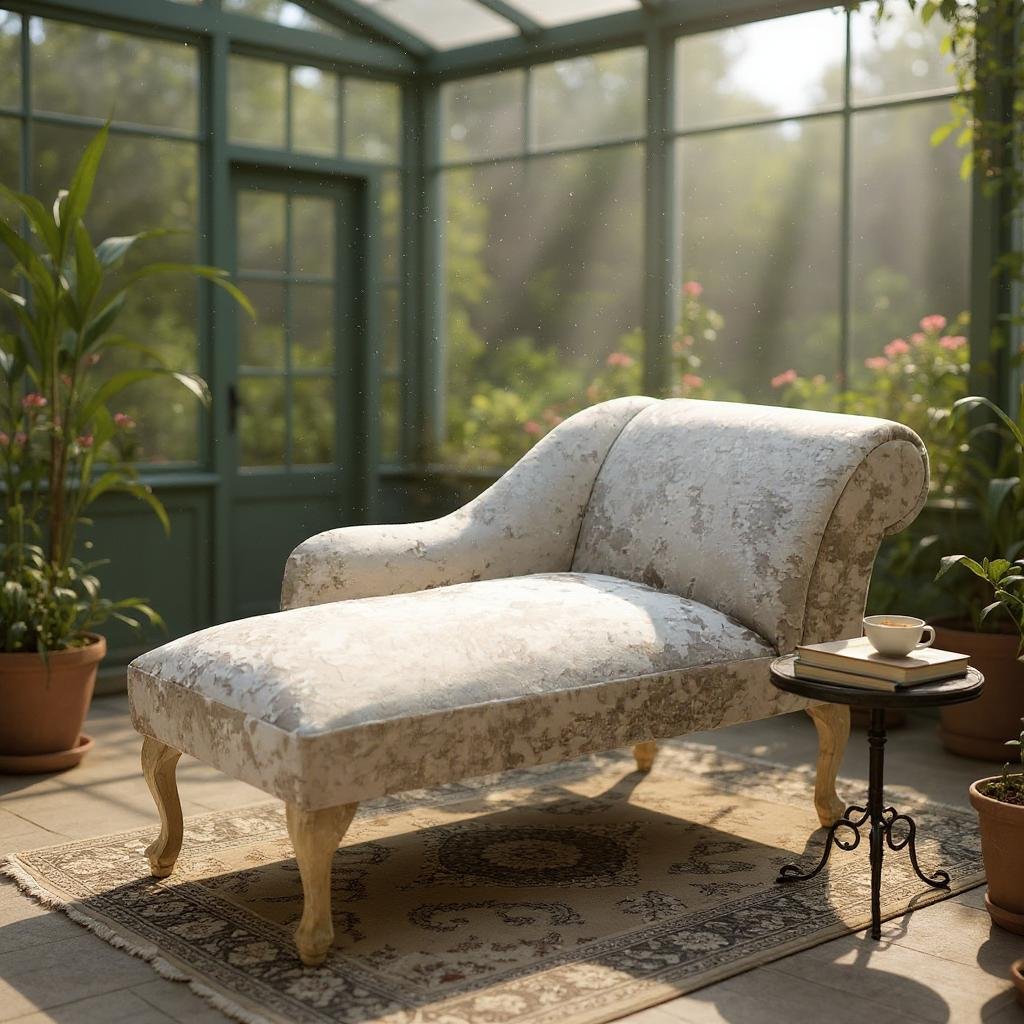
For those with a more contemporary eye, sleek and armless silhouettes offer a minimalist charm that doesn't overwhelm a room. These modern designs often feature clean lines and tapered legs, allowing the fabric's texture to take centre stage. Alternatively, a Chesterfield-inspired chaise provides a perfect mid-point, utilising deep buttoning to create a landscape of light and shadow across the velvet's surface. This is where "crushed" velvet effects truly shine, as the varied angles of the pile catch the light from every direction, adding a sense of movement to your decor.
When you're inspecting a potential piece, look closely at the details that signal true craftsmanship. High-quality upholstery is defined by crisp piping, straight stitching, and solid leg finishes that feel substantial rather than flimsy. These small touches distinguish a heritage investment from a fleeting trend. If you're feeling inspired to find your own hero piece, you might enjoy browsing our curated seating collections to see these styles in person.
Material Matters: Synthetic vs. Natural Velvet
The choice between synthetic and natural fibres often comes down to your household's daily rhythm. Polyester velvet has become a favourite for busy homes because it's remarkably durable and resistant to marking. If you're looking for the ultimate in tactile luxury for a quiet reading nook, cotton or silk blends offer a softer, more traditional feel. Always check the "rub count"—a Martindale test score—to ensure the fabric is suited for your needs. A score of 20,000 or higher is generally ideal for domestic furniture that sees regular use.
The Role of Colour and Sheen
Colour is where your personality truly comes forward. Rich jewel tones like emerald green or sapphire blue create a moody, dramatic sanctuary that feels incredibly modern. Conversely, neutral velvets in champagne or taupe offer a timeless versatility that adapts as your decor evolves. Over time, your velvet chaise longue may develop a "patina" or slight bruising where you sit most often. Rather than a flaw, this is a mark of a well-loved piece that adds character and a sense of history to your home.
Room-by-Room Placement: Where to Position Your Chaise
Finding the perfect spot for your velvet chaise longue is an exercise in both spatial logic and emotional intuition. Whilst a traditional sofa often dictates the entire layout of a room, a chaise offers a more fluid way to define the rhythm of your home. In the living room, it serves as an elegant room divider. Because of its low-profile silhouette, it can separate a lounge area from a dining space without creating a visual barrier, maintaining that airy, open feel we often crave in modern layouts. It's also a sophisticated addition to a home office, providing a soft, tactile alternative to a rigid desk chair where you can step away to brainstorm or simply pause with a coffee.
Transitional spaces like wide landings or long hallways are frequently overlooked, yet they are the ideal canvas for a statement piece. Positioning a chaise in these areas transforms a mere thoroughfare into a functional seating zone, giving the "in-between" parts of your home a sense of purpose and luxury. It's about looking at your floor plan and identifying those quiet corners that feel a little under-utilised, then introducing a piece that invites you to slow down and linger a while longer.
Creating a Reading Nook with a Window Seat
Maximising natural light is the best way to showcase the rich lustre and shifting tones of your fabric. A chaise makes for a spectacular indoor window seat, allowing you to recline whilst enjoying the view outside. This placement works particularly well within the "broken plan" living trend, where furniture is used to create distinct zones within a larger room without blocking sightlines. To balance the asymmetric silhouette, consider pairing your chaise with a small, circular side table and a slender floor lamp. This creates a self-contained reading sanctuary that feels intentional and beautifully curated.
The Bedroom Sanctuary
In the bedroom, your velvet chaise longue becomes the anchor of a private retreat. Placing it at the foot of the bed adds a touch of boutique-hotel grandeur, providing a practical spot for dressing or morning reflection. Alternatively, tucking it into a corner by a fireplace or a large mirror creates a dedicated "me-time" zone away from the main sleep area. When coordinating with other occasional chairs in the room, aim for a cohesive suite of textures rather than a perfect match. Think about the traffic flow; ensure there's enough space to move comfortably around the piece, keeping the path to the bed clear whilst allowing the chaise to bask in the best available light.
Maintenance and Care: Keeping Velvet Looking Pristine
While daily maintenance is relatively simple, keeping luxury velvet in peak condition often requires a specialist's touch. Professional upholstery cleaners like UK Carpet Care Ltd can provide the expert deep-cleaning and restoration needed to ensure your furniture remains a vibrant focal point for years to come.
Many people hesitate to bring a velvet chaise longue into their home because they fear the fabric is too delicate for the rigours of daily life. In reality, maintaining that luxurious, deep-pile look is less about intensive labour and more about simple, regular rituals. It starts with the right tools. A soft-bristled velvet brush is your best friend; using it once a week to brush in the direction of the pile helps to lift flattened areas and prevents the fabric from looking tired. This small act ensures the light continues to catch the fibres beautifully, preserving the multi-dimensional depth that makes velvet so special.
When it comes to vacuuming, always use the soft upholstery attachment. Standard vacuum heads can be too abrasive, potentially snagging the delicate weave or crushing the pile. If a spill occurs, the golden rule is to blot, never rub. Rubbing pushes the liquid deeper into the base of the fabric and can permanently distort the texture. Instead, use a clean, dry cloth to soak up moisture with gentle, vertical pressure. Long-term preservation also requires a bit of environmental awareness. Try to position your chaise away from direct, harsh sunlight to prevent the rich colours from fading, and maintain a steady level of humidity to keep the fibres from becoming brittle.
Dealing with Dust and Pet Hair
Velvet can be a magnet for lint and pet hair, but this needn't be a deal-breaker for animal lovers. A quick pass with a handheld clothes steamer can work wonders, as the gentle heat refreshes the fibres and releases trapped dust. For households with pets, choosing a high-quality synthetic polyester velvet is often the wisest path. It offers the same sensory appeal as traditional blends but provides significantly better resistance to claws and accidental messes. A simple weekly maintenance schedule, including a light vacuum and a quick brush, will prevent deep-seated dirt from dulling the fabric's natural lustre.
Professional Cleaning vs. DIY
For deep-seated stains or a total refresh, calling in the experts for a professional steam clean is the safest route to protect your investment. If you're attempting a DIY spot clean, always test your cleaning solution on a small, inconspicuous area first to ensure it doesn't cause discolouration. Pile restoration is the process of lifting flattened fibres using gentle steam or brushing. By treating your furniture with this level of care, you ensure it remains a stunning focal point for years to come. If you're ready to choose a piece that combines this durability with timeless style, we invite you to browse our latest chaise longues and window seats.
Styling Your Chaise: Accessories and Final Touches
The final flourish of styling your velvet chaise longue is where your personal aesthetic truly comes to life. Whilst the piece itself is a formidable statement, the accessories you choose will determine whether it feels like a formal showpiece or a lived-in sanctuary. Layering textures is the secret to a sophisticated look. Because velvet has a high-sheen, uniform surface, it benefits immensely from the contrast of more tactile, matte materials. Consider pairing your chaise with a rustic linen cushion or a chunky wool throw. These organic fibres "ground" the luxury of the velvet, making the entire arrangement feel more approachable and relaxed.
When selecting cushions, look for shapes that complement the unique, asymmetric back of your chaise. A single, oversized bolster or a pair of varying shapes, perhaps one round and one square, can break up the linear profile without cluttering the reclining area. For a touch of practical elegance, try the "Tray Method". Placing a sturdy, decorative tray on the flat end of the chaise turns a portion of the seating into a temporary table for your favourite book or a pot of tea. This setup works particularly well if you're integrating the piece with a matching ottoman or one of our curated footstools, creating a cohesive suite that invites total relaxation.
The Art of the Throw
Draping a throw over a velvet chaise longue requires a bit of intentionality to highlight the elegant "sweep" of the arm. Instead of folding it neatly, try a casual "waterfall" drape that follows the curve of the frame. This adds a sense of movement and softness to the silhouette. Colour choice is equally important; a pop of mustard yellow or burnt orange can look spectacular against a deep navy or forest green pile. As the seasons shift, you can easily update the mood of the room by switching heavy, textured knits for light, breathable silks or fine cottons.
Lighting and Ambiance
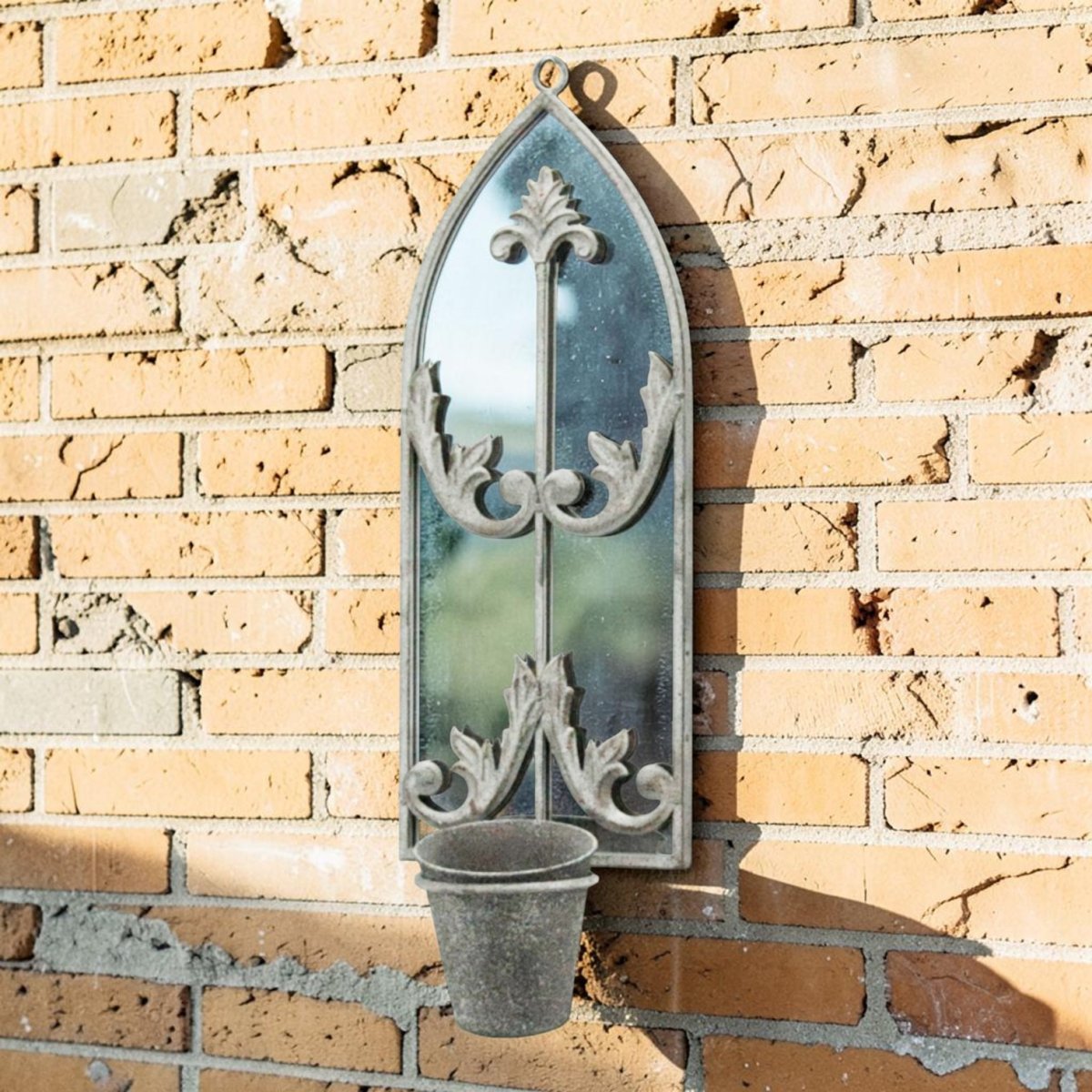
Velvet is a reactive fabric that changes character depending on the light temperature in your room. Warm bulbs will pull out the rich, golden undertones of your upholstery, whilst cooler light can make jewel tones feel more crisp and modern. To create a true sanctuary, use a slender floor lamp to cast a soft "pool of light" specifically over the reclining end. This focus draws the eye and makes the corner feel incredibly inviting after dark. You might also consider positioning a mirror or a textural masterpiece from Cocolea nearby to reflect the rich texture and colour of the fabric across the room, doubling the visual impact of your hero piece.
Elevating Your Home with Timeless Elegance
A velvet chaise longue is far more than a simple piece of furniture; it's a meaningful investment in your home's identity as a sanctuary of rest and beauty. We've explored how the right silhouette can transform a quiet corner into a curated reading nook, and how modern fabric technology makes this level of luxury achievable for even the busiest households. By mastering simple care techniques and embracing thoughtful placement, you ensure your piece remains a stunning focal point that ages with grace and character.
As a family-owned business with deep expertise in French-inspired Louis styles, we take immense pride in helping you find that perfect personal statement. Our curated eye for global craftsmanship ensures every piece meets the high standards your home deserves, whilst our national delivery service across the UK brings this sophistication directly to your door. It's time to stop dreaming of the perfect retreat and start creating it. Explore our curated collection of elegant chaise longues and window seats and discover how effortless sophisticated lounging can be.
Frequently Asked Questions
Is a velvet chaise longue hard to keep clean?
No, modern velvet is surprisingly easy to maintain with regular, simple care. Whilst it has a reputation for being delicate, high-quality synthetic velvets are durable and naturally stain-resistant. You simply need to brush the pile weekly and blot spills immediately to keep the fabric looking pristine for years. This prevents dirt from becoming trapped within the fibres.
What is the difference between a chaise longue and a daybed?
A chaise longue is primarily designed for reclining whilst sitting, whereas a daybed is intended for both sitting and sleeping. Structurally, a chaise usually features a single backrest and one raised arm at the head. Daybeds often have a larger, mattress-sized base and may have two ends, making them more of a hybrid between a sofa and a bed.
Can I put a velvet chaise longue in a small room?
Yes, a chaise is an excellent choice for smaller rooms because its low-profile silhouette doesn't block sightlines. Unlike a bulky sofa, its asymmetric design allows it to sit comfortably against a wall or in a corner without overwhelming the space. It provides a sense of luxury and a dedicated place to rest without the visual weight of traditional seating.
Which way should a chaise longue face?
Your chaise should ideally face the room's main focal point, such as a fireplace, a window with a view, or a television. You should position it so the backrest is against a wall or used as a divider that guides the eye into the seating area. Ensure the armrest doesn't block the natural path of travel through the space.
Is velvet furniture suitable for homes with cats or dogs?
Velvet is actually an excellent choice for pet owners because it lacks the loose loops found in fabrics like linen or tweed, which often snag on claws. Pet hair tends to sit on the surface rather than getting trapped in the weave, making it easy to remove with a lint roller. Choosing a high-quality synthetic velvet chaise longue ensures extra durability against daily wear and tear.
Does velvet fade in direct sunlight?
Yes, prolonged exposure to direct, harsh sunlight will cause the rich pigments in velvet to fade over time. To preserve the depth of colour, it's best to position your furniture away from large, south-facing windows. If you must place it in a sunlit spot, using sheer curtains or UV-protective window film can help protect the fibres from sun damage.
What is the best colour for a velvet chaise longue?
The best colour depends entirely on the atmosphere you wish to create, though jewel tones and neutrals remain the most popular choices. Rich tones like emerald green or sapphire blue are perfect for creating a dramatic, moody sanctuary. If you prefer a timeless look that adapts to changing decor, neutral shades like champagne, slate grey, or taupe offer incredible versatility.
Do I need a left-hand or right-hand chaise?
This depends on the specific corner or wall where you plan to place the piece within your room. A "left-hand" chaise has the armrest on your left when you are facing the furniture. You should choose the orientation that allows the backrest to sit against a wall whilst keeping the reclining end open to the rest of the room to maintain a welcoming flow.
Comments