
Styling a chaise longue with thoughtful colour and accessories
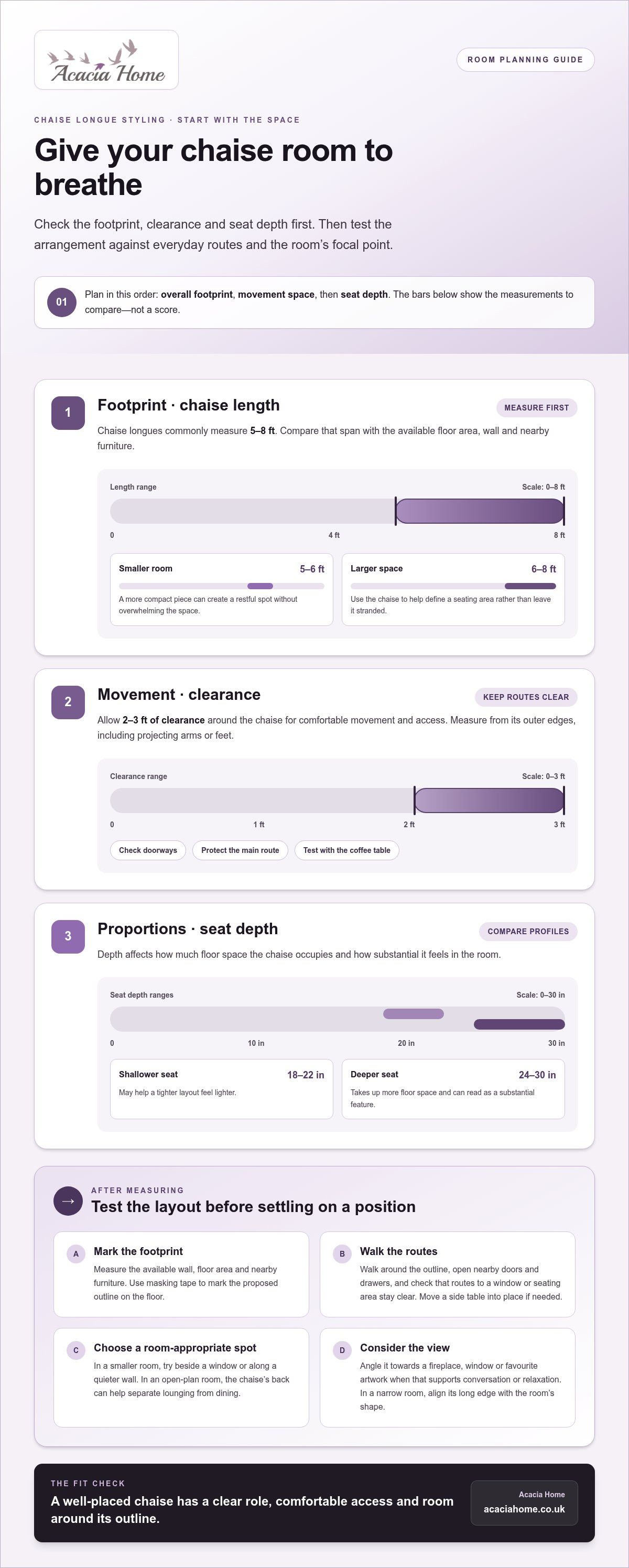
The chaise longue that looks perfect can still feel out of place if the room has no space to breathe. For styling a chaise longue, start with its position and proportions: they commonly range from 5 to 8 feet long, and leaving 2-3 feet of clearance around it helps keep movement and access comfortable. In a smaller living room, a more compact piece can make a restful spot without overwhelming the space.
Once the placement feels right, colour and texture bring the look together. A chaise longue can add character to a period-inspired interior or sit beautifully among contemporary furnishings. Thoughtful upholstery, cushions and a softly draped blanket help it feel at home. This guide covers how to choose a position, balance the chaise with its surroundings, select a colour and finish the arrangement with personal, well-chosen accessories.
Table of Contents
1. Chaise longue size and room placement
Begin with the floor plan, not the fabric swatch. A chaise longue commonly measures 5 to 8 feet long, so its footprint matters before you settle on a position. Measure the available wall, floor area and nearby furniture. Then mark the proposed outline on the floor with masking tape. This simple step shows whether the piece will sit comfortably or dominate the room.
For a smaller living room, a petite chaise longue measuring 5-6 feet may suit the proportions. Try placing it beside a window or along a quieter wall, where it can create a distinct place to read or relax. Keep its outline clear of doorways and the main route across the room. A compact shape can still feel generous when the surrounding floor remains open.
Larger spaces can accommodate a chaise longue measuring 6-8 feet. Position it to define a seating area, rather than leaving it stranded against an oversized wall. In an open-plan room, its back can help separate a lounging corner from a dining area. Check the view from the entrance too: the chaise should feel connected to the room’s arrangement, not like an afterthought.
Allow at least 2-3 feet of clearance around a chaise longue for movement and access. That space makes it easier to approach the seat and pass nearby without squeezing past the frame. Measure from the chaise’s outer edges, including any projecting arms or feet. If a coffee table sits in front, test the whole arrangement together rather than measuring the chaise alone.
Seat depth also shapes how a chaise longue works in your room. Deeper seats are described as around 24-30 inches deep, whilst shallower seats are around 18-22 inches deep. A deeper profile occupies more floor space and can read as a substantial feature. A shallower seat may keep a tighter layout feeling lighter. Compare the seat depth with the room’s other furniture before choosing its final position.
Test the placement before committing. Mark the chaise’s length and depth, then walk around the outline from each approach. Open nearby doors and drawers, and check that the route to a window or seating area stays clear. Move a side table into position if you plan to use one. These steps reveal awkward turns and crowded corners while the layout is easy to adjust.
Finally, consider how the chaise relates to the room’s focal point. Angle it towards a fireplace, window or favourite artwork when that supports conversation or relaxation. In a narrow room, align its long edge with the room’s shape to avoid cutting across the walkway. The right placement balances the chaise’s footprint with clear routes and a purposeful view.
2. Chaise longues and period-inspired interiors
A chaise longue’s sculptural presence can bring historical character to a period-inspired room. Let its silhouette guide the surrounding details. A Méidienne, recognised by its high, curved headrest, can become a graceful focal point. Echo its curves in a mirror frame or side table, and keep other shapes simpler so the chaise stands out without competing with every furnishing.
Choose a historical reference, then interpret it rather than recreating a complete period room. One interior pairs an 18th-century Swedish painted table with a velvet-covered chaise longue and a colourful suzani drape. The contrast offers a useful lesson: painted wood, rich upholstery and patterned fabric can coexist when they share a considered palette. Pick one element as the visual lead, then repeat one or two of its colours elsewhere in the room.
Mixing eras can make a traditional interior feel collected and personal. Another example places an 18th-century screen beside a velvet-clad 1920s chaise longue in a main bedroom. The pairing shows how different historical references can sit together without making every object match. Try setting a contemporary lamp beside an antique-style chaise, or placing a period screen behind a simpler upholstered shape. Repeating a finish or colour helps these pieces feel connected.
For a balanced arrangement, start with the largest historic feature, such as a carved screen or painted table. Place the chaise nearby, leaving enough visual space for its outline to stand out. Velvet can add depth beside painted timber, while patterned fabric introduces movement. If both the upholstery and nearby furnishings have strong patterns, choose one dominant motif and let the others play supporting roles. This keeps the room layered, not crowded.
Contrast also helps bring out a room’s period character. Pair an ornate frame with restrained wall decoration, or set a richly coloured chaise against a quieter backdrop. A Méidienne’s curved headrest already draws the eye, so one artwork above it may work better than a crowded gallery. In a bedroom, a screen can frame the chaise without requiring matching furniture throughout the room.
To develop your own scheme, gather a small group of references: a silhouette, a finish and a fabric pattern. Compare them in the room’s natural light, then remove any element that distracts from the chaise. If you’re exploring period-inspired shapes for your space, browse indoor furniture styles as part of your visual planning.
3. Accessorising with pillows and blankets
A chaise longue pairs well with a small side table, a reading lamp and carefully chosen cushions or a blanket. A framed print or vase nearby can make the corner feel composed. Choose items that are useful or visually connected to the chaise, rather than filling every available surface.
Start with the seat’s shape. A single lumbar cushion can complement a long, curved chaise without covering its upholstery, while a square cushion adds a softer, more relaxed note. For example, place a textured neutral cushion against a plain velvet seat, or choose a patterned one that picks up a colour from nearby artwork. Keep the chaise’s distinctive outline visible.
Use contrasting textures to add depth. A woven cushion provides a tactile counterpoint to smooth upholstery, while velvet or linen can create a subtler pairing. If the chaise already has a strong pattern, choose cushions with a quieter finish. With plain upholstery, a botanical or geometric motif can add interest without requiring more decorative pieces elsewhere.
A blanket makes the chaise feel inviting and adds another layer of colour. Fold it neatly over one end for a tailored look, or drape it loosely across the seat for a more relaxed feel. A fine-knit throw can soften a formal silhouette, while a heavier-looking weave suits a cosy reading corner. Keep the fabric clear of the floor and walking route.
Consider how accessories relate to nearby furniture. A slim side table can hold a book and a cup, while a floor lamp beside the chaise can light a reading spot. A small framed print above it adds a focal point. Choose finishes that connect with details already in the room, such as a wooden table that echoes a nearby picture frame.
To keep patterns harmonious, combine different scales rather than repeating identical motifs. For example, pair a fine stripe on a cushion with a larger floral print elsewhere, then repeat one shared colour. If the room has patterned curtains, a plain blanket gives the eye somewhere to rest. This lets the chaise stand out without making the whole corner feel busy.
Finish by editing the arrangement. Place the cushion to complement the chaise’s shape, then add the blanket in a natural-looking way that keeps it easy to lift. Step back and check the view from the doorway and main seat. If the accessories obscure the upholstery or crowd the side table, remove one item. A few considered details make for a more personal, inviting corner.
4. Choosing a chaise longue colour
Choose a colour by looking at the room as a whole, not at the upholstery alone. Note the dominant shades on your walls, curtains and largest rug. If the room has warm neutrals, a soft green chaise can create gentle contrast. In a cooler scheme, muted blue or charcoal may feel more at home. Aim to connect the chaise with its surroundings while giving it enough presence to stand apart.
Neutral upholstery offers flexibility when the room already has strong colour or pattern. Cream, taupe and soft grey sit comfortably alongside patterned curtains or a richly coloured rug. Add character with a cushion in rust, olive or deep blue, then repeat that accent in a framed print or small object. This lets you change the accessories over time without making the chaise feel disconnected from the room.
A stronger shade can make the chaise the room’s focal point. Consider deep green against pale walls, or warm ochre beside restrained cream furnishings. Before choosing, compare the colour with existing wood finishes and nearby fabrics. Vivid upholstery can make a striking contrast with dark timber, while a softer shade blends more quietly with pale oak. Use one clear contrast rather than introducing several competing colours at once.
Check the colour in the room where the chaise will sit. View a fabric sample beside the wall, rug and curtains, then look at it in daylight and with the lamps on. A green that looks crisp near a window may seem more subdued against a darker wall. This simple comparison helps you judge how the upholstery relates to the room, rather than relying on a sample viewed on its own.
Pattern affects how colour reads across a chaise’s larger surface. A small-scale floral in blue and cream can soften a traditional room, while plain velvet in a similar blue creates a calmer effect. If your curtains already have a bold motif, a solid chaise colour can steady the scheme. If the room is mostly plain, patterned upholstery can add a focal detail without extra ornaments.
For a considered palette, choose one main upholstery colour, one supporting shade and a restrained accent. For example, pair a muted green chaise with warm neutral walls and a rust cushion, or combine a navy chaise with pale grey surroundings and a cream throw. These are starting points, not fixed formulas. Choose shades that connect with the room’s existing features, and let the chaise’s colour express the atmosphere you want.
5. How do you style a chaise longue in a living room?
Give the chaise longue a clear purpose before adding more furniture. It could create a reading corner beside a window or complete a conversation area opposite a sofa. In an open-plan living room, position it to help define the lounge area from the dining space. Its role should be clear from the doorway.
Mixing eras can make a room feel individual rather than staged. An antique chaise longue can sit comfortably in a modern room, while a new chaise can complement vintage furnishings. For example, place an antique silhouette beside a pared-back sofa, then repeat one finish in a side table or picture frame. This way of styling a chaise longue connects different periods without requiring every piece to match.
Build the seating group around how you use the room. Pair the chaise with a sofa and occasional chair for conversation, angling their fronts towards one another. If the chaise is your main reading spot, place a lamp and small table within easy reach. Avoid surrounding it with furniture that blocks access or leaves the seat feeling isolated.
Choose one focal point to organise the arrangement. A fireplace, window or favourite artwork can guide the chaise’s direction. Turn the seat towards that feature, then keep nearby decoration restrained enough to preserve its visual importance. For instance, if a large painting hangs above the chaise, choose a simple side table rather than another prominent display.
Repeat details to connect contrasting pieces. A cushion can pick up the colour of a rug, while a wooden table can echo a picture frame. These small links help a vintage chaise feel at ease beside contemporary furniture. Be selective: one or two shared details create cohesion without making the room feel too coordinated.
Finish by viewing the layout from several positions: the doorway, sofa and main route through the room. Check that the chaise faces the right focal point and that its neighbouring table or lamp is useful. Remove anything that interrupts movement or competes for attention. Thoughtful styling of a chaise longue in a living room gives the seating arrangement both character and purpose.
For more ideas to shape your seating arrangement, explore living-room furniture that complements the look you have created.
Acacia Home: Occasional Chairs
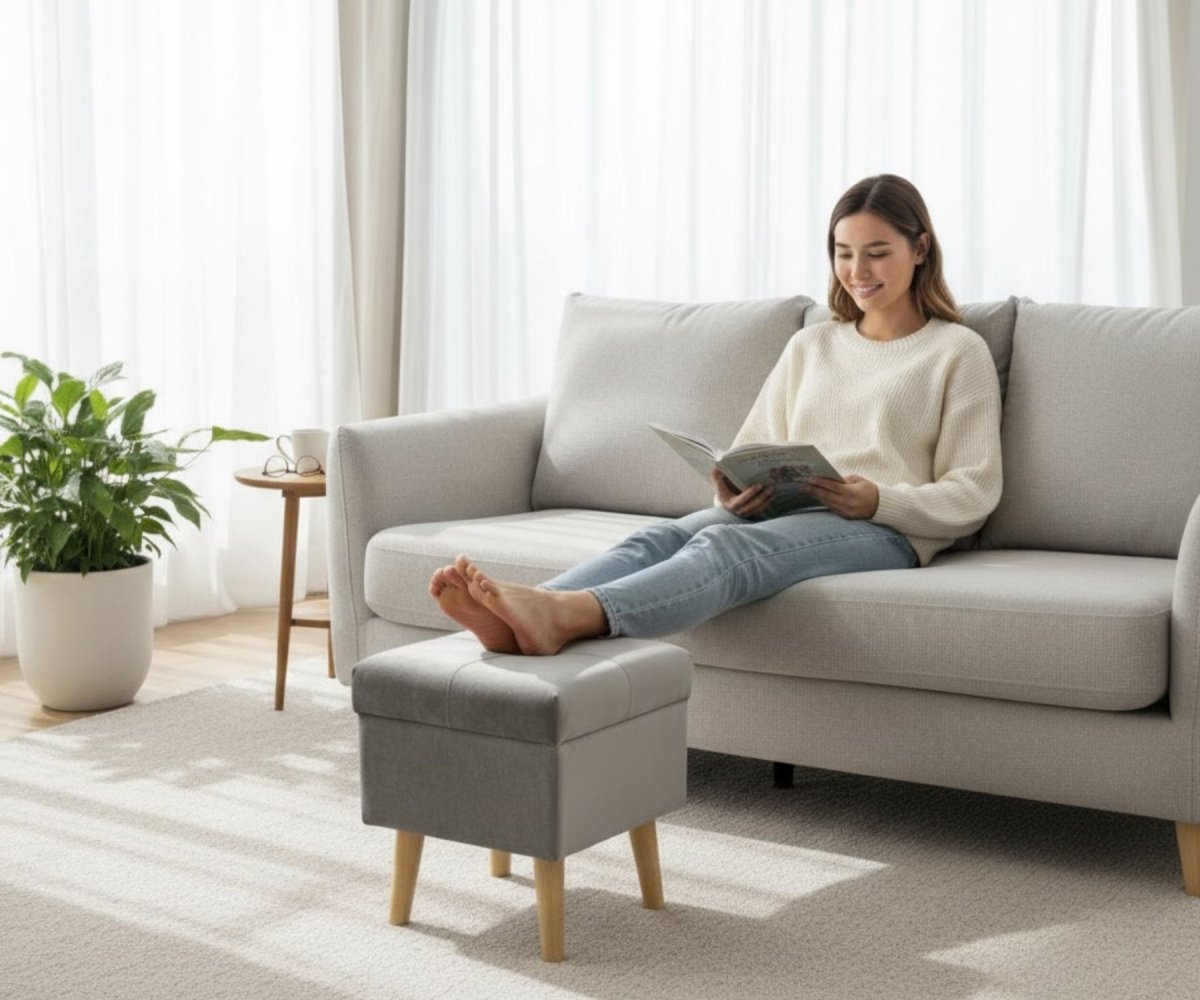
Acacia Home offers seating and complementary furniture to help bring a considered living-room scheme together. If your chaise longue needs company, explore occasional chairs for extra seating or choose a footstool as a practical finishing touch. Chaise Longues and Window Seats offer further options as you consider the shape and character of your room’s seating.
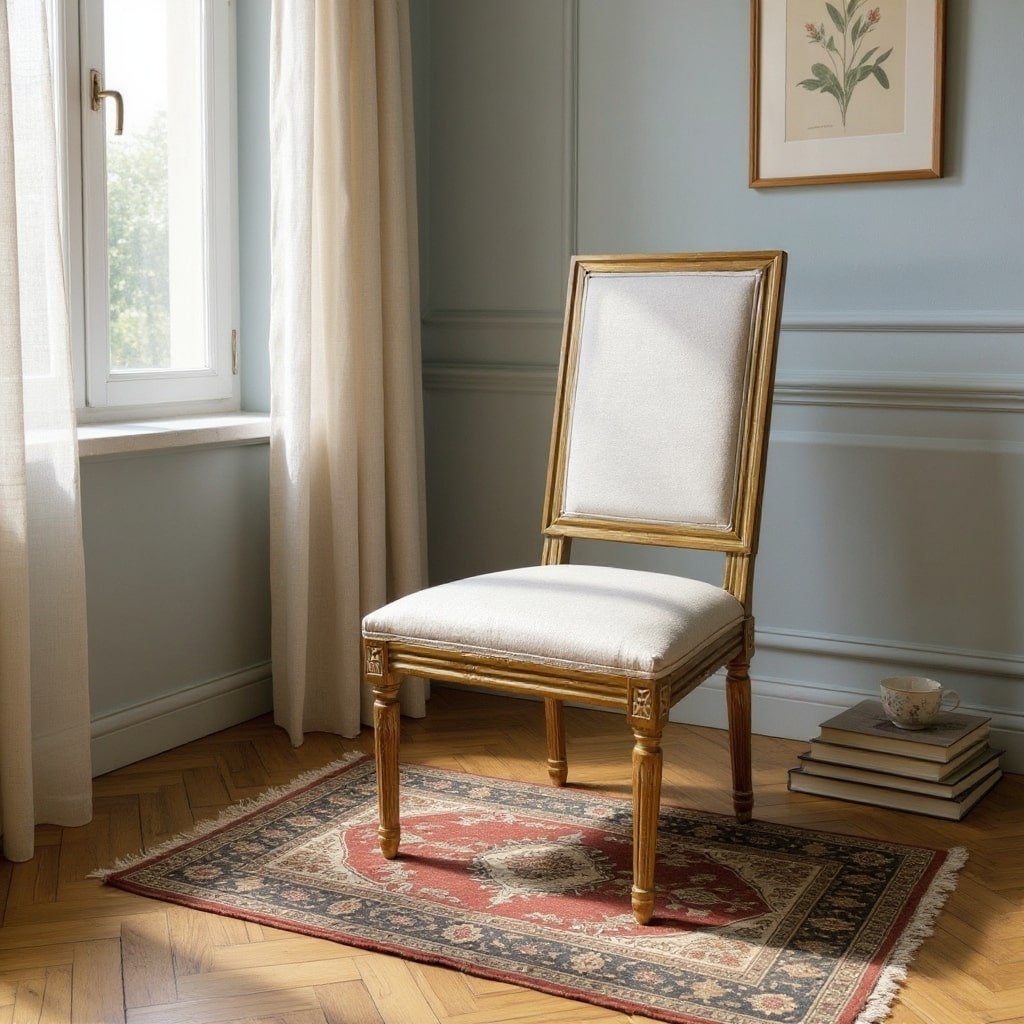
For a coordinated setting elsewhere at home, Dining Chairs provide seating for the dining area. Explore the range when you’re ready to turn your room plan into a selection of furniture that suits your space and personal style. To continue browsing or ask Acacia Home a question, visit acaciahome.co.uk.
Make the room feel unmistakably yours
The finishing touch isn’t about following a fixed formula; it’s about choosing details that make the room feel natural to live in. Once you’ve settled on a chaise longue, consider what would make its corner more useful or welcoming, perhaps a companion seat or a place to rest your feet. Styling a chaise longue can evolve over time, with a cushion, throw or treasured object adding fresh character as your room changes.
Acacia Home offers Occasional Chairs, Dining Chairs and Footstools to complement the seating in your home. Explore these options as you shape a room that reflects your taste and everyday routines. For help with your next step, contact Acacia Home about its seating range. Your home can take shape one thoughtful choice at a time.
Frequently Asked Questions
Where should a chaise longue be placed in a room?
Place it where its direction suits the room’s main activity, such as facing a garden view or sitting near a bookcase. In a shared living room, angle the chaise towards the other seats so its occupant feels included in conversation. In a bedroom, position it near a window or dressing area, keeping the route between the bed and doorway clear.
How do you choose cushions and throws for a chaise longue?
Choose accessories to suit the chaise’s proportions and how you use it. A compact cushion can support your back without overwhelming a narrow seat, while a longer bolster adds a tailored detail. For a throw, consider where it will go when not in use: fold it over an arm to keep it close, or place a basket nearby to store it.
How can you style a chaise longue in a small living room?
In a small living room, keep the arrangement visually light with a chaise that has open space beneath it or slender legs. Place it near a wall rather than across the room’s central route, and choose a wall-mounted shelf instead of a bulky table. A mirror opposite the seating can reflect daylight and help the room feel more open.
How do you match a chaise longue with different interior design styles?
Connect the chaise with the room through shared details, not matching furniture. In a minimal interior, pair a clean-lined chaise with a restrained rug and simple artwork. In a more eclectic room, combine contrasting eras through a repeated wood tone or accent colour. A traditional chaise can feel at home in a contemporary space when surrounding pieces leave room for its distinctive form.
Which chaise longue fabrics and colours are practical for UK homes?
Choose fabric and colour with the room’s light, household routines and existing furnishings in mind. In a north-facing room, a warm neutral or muted green can soften cooler daylight; in a bright space, deeper blue can add definition. For busy rooms, a patterned or mid-tone fabric can make everyday marks less conspicuous than a very pale, plain surface. Review the care guidance before choosing.
How much space do you need around a chaise longue?
Leave at least 2-3 feet of clearance around the chaise longue for movement and access. Measure the usable gap after accounting for nearby items, such as a radiator, door swing or open drawers. In a compact room, prioritise the route people use most, then adjust occasional furniture to protect that passage. The result should let people sit down and move past comfortably.
How do you arrange a chaise longue with a sofa and coffee table?
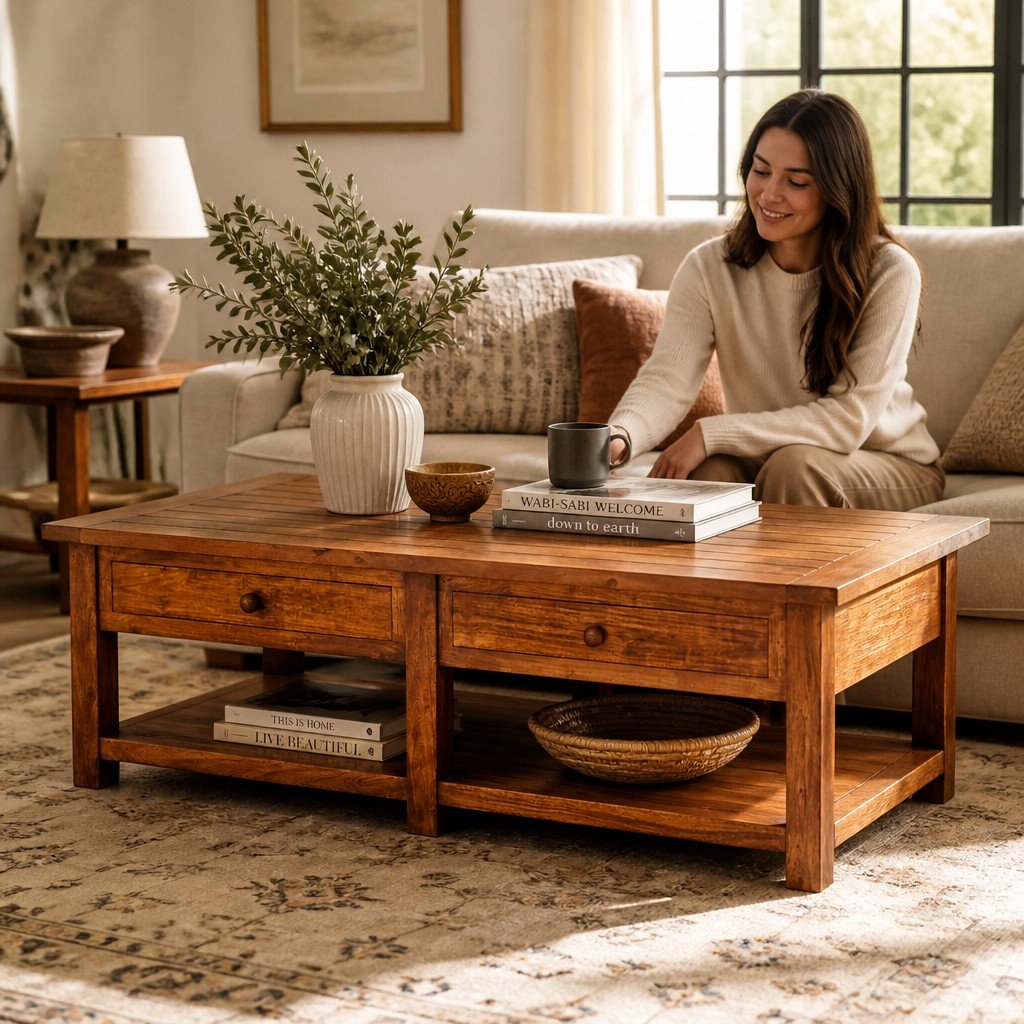
Arrange the sofa and chaise to form a relaxed seating group, with both facing the room’s shared focal point. Place the coffee table within reach of people seated on either piece, then check that it doesn’t obstruct the route between them. If the chaise sits at right angles to the sofa, a small side table can serve its end without crowding the centre.
Comments