
Best Chair for a Sitting Room Corner: A 2026 Guide
The most inviting-looking chair isn’t always the best chair for sitting room corner: a generous shape can feel oversized when space is tight. Choose one that suits the way you’ll use the nook, fits the available floor space and feels at home with the rest of your décor.
A rounded tub chair, a taller wingback or a visually lighter design can each work well, depending on the room. A corner might become a reading retreat, an extra seat for conversation or simply a place to bring the room together. Each purpose calls for a different balance of comfort, proportion and access.
This guide explains how to match a chair shape to your corner’s purpose, measure the space and plan a layout that feels welcoming rather than crowded. It also compares occasional chairs, chaise longues and window seats, so you can find a style that creates a feature while still feeling connected to your home.
Table of Contents
How to make a sitting-room corner useful, not just decorative
A corner may take up little floor space, but the right seat can change how the whole sitting room feels. It can draw the eye towards a window, soften a line of furniture or make an underused spot part of everyday life. First decide what the corner is for: reading, conversation, occasional seating or display. Let that purpose guide the chair’s shape and position, so it feels considered rather than like an obstacle in a spare patch of floor.
Think of the chair as part of the room’s movement, not a separate feature. Leave a clear route past it and enough space to approach, sit down and get up comfortably. It should complement the main seating without automatically becoming a second focal point.
What will you use the sitting-room corner for?
A reading spot should feel restful and easy to use. Consider whether the chair gives you a comfortable place to settle and whether there’s room nearby for a lamp and small table. A chair for guests has a different role: it should sit naturally within the conversation area and be easy to reach without shifting other furniture. Browse the history and types of chairs for a wider perspective on how form and function have shaped seating.
For reading: allow space for a light source and somewhere to put a book or drink.
For guests: position the seat so its occupant can join the conversation without turning awkwardly.
For display: choose a position where the chair can be seen, while keeping it clear of everyday routes.
Picture who will use the chair and how often. A seat for a daily reading ritual deserves particular attention to comfort and access; one used occasionally for visitors may have a different role. If several people will use the nook, leave enough surrounding room for them to approach and settle in without disturbing the rest of the arrangement.
When should the corner feel like a feature?
Make the chair a feature when the room would benefit from a focal point. A distinctive colour, expressive silhouette or position that draws attention towards a window can help achieve this. Keep the effect in proportion: a striking chair can stand out against quieter surroundings, while a restrained shape may suit a room already layered with pattern and detail.
Look at the sofa and nearby furniture before deciding how much visual weight the chair should have. A broad, prominent sofa may call for a chair with enough presence to feel connected, while a compact or delicate arrangement can be overwhelmed by a bulky-looking seat. Echoing a colour, shape or material elsewhere helps the corner belong, even when the chair is deliberately different. For a broader look at seating for your home, explore indoor furniture for the home.
The best chair for sitting room corner is not simply the most eye-catching option. It supports the corner’s purpose, feels in scale with the room and leaves the main seating and walking routes undisturbed.
Which chair shape suits a sitting-room corner best?
There isn’t one shape that works in every corner. The right choice depends on how you’ll use the seat, what’s already in the room and how much floor space you can give it. A chair’s outline also affects its visual weight: a rounded form can soften a room’s angles, while a more decorative silhouette may become a focal point.
Use this comparison as a starting point, then consider each chair in relation to the surrounding furniture and available footprint. “Occasional chair” describes a broad seating category rather than one fixed shape, so compare the actual outline and dimensions of the chairs you’re considering.
Chair shape | Suitable purpose | Visual presence | Space considerations
Occasional chair | Flexible extra seating or a quieter accent | Varies by design, from understated to distinctive | Check the individual width and depth; the category includes different silhouettes.
Tub chair | A reading nook or occasional guest seat | Rounded, curved outline that can soften a square corner | Consider how its overall shape sits beside the sofa and leaves room to pass.
Louis style chair | A decorative seat in a traditional or characterful interior | More ornamental, with a noticeable presence | Allow space around its outline so it doesn’t feel crowded by nearby furniture.
Chaise longue | A corner intended for lounging | An elongated shape that can make the nook a feature | Its length needs more clear floor space than a compact chair shape.
Occasional chair or tub chair: what changes in the corner?
An occasional chair is a useful starting point if you want extra seating without committing to one particular look. It can be subtle or expressive, so decide whether it should blend into the arrangement or add a point of contrast. A tub chair’s rounded outline is more distinctive and can soften a room with many straight edges, but it still needs room to sit comfortably within the layout.
For a seat used often, give its position and ease of access as much thought as its appearance. If it’s mainly an accent, a quieter silhouette may keep the corner from competing with the main seating. In either case, compare the chair’s actual dimensions with the room rather than assuming it will be compact based on its name.
When might a chaise longue or Louis style chair suit?
Choose a chaise longue when stretching out is central to the corner’s purpose. Its extended form can create a dedicated lounging spot, but it needs more floor space and careful positioning. If this is the style you’re considering, the small chaise longue buying guide explores this alternative in more detail.
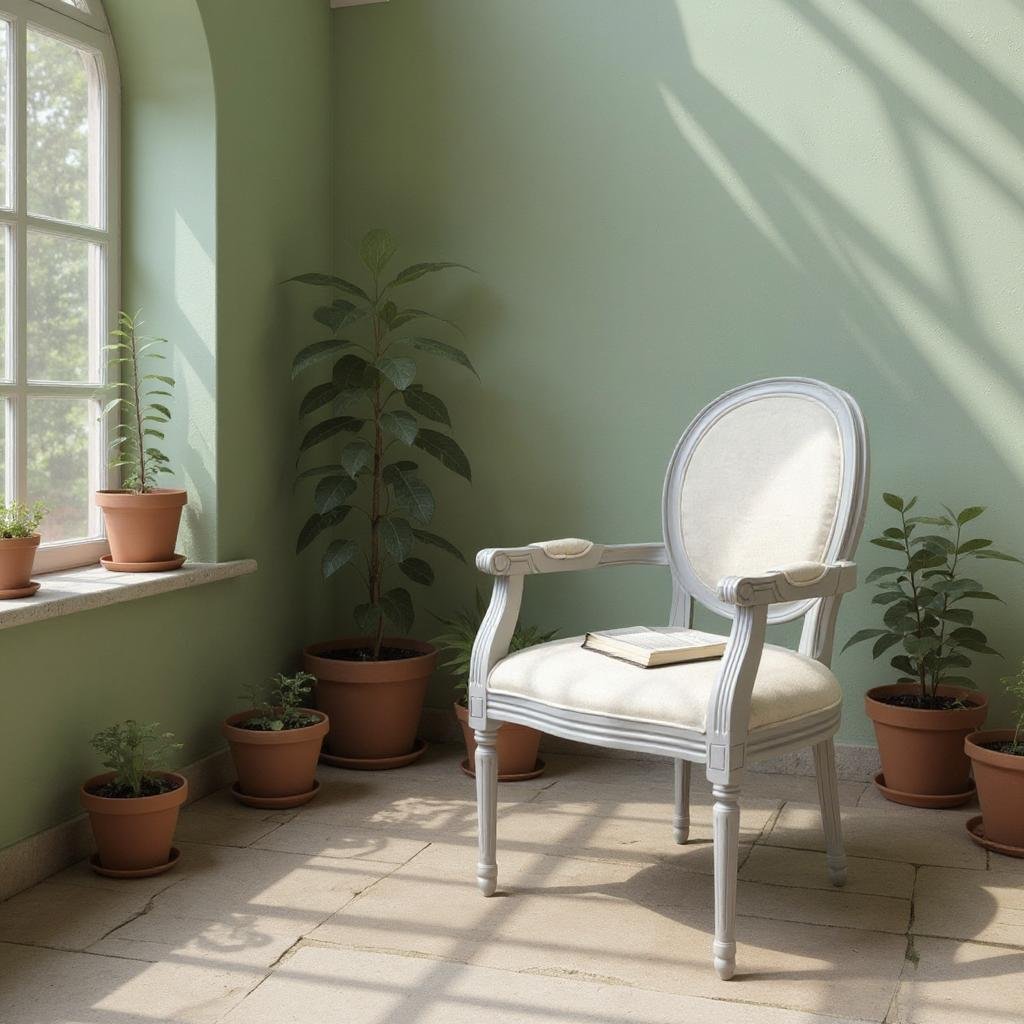
A Louis style chair may suit a distinctive interior where decorative detail is welcome. Against simpler furnishings, it can add character without requiring the whole room to follow the same style. Let the shape, intended use and footprint lead your shortlist, then consider fabric and upholstery as finishing details. To compare seating in context, explore indoor furniture for the home and consider which outline feels at ease in your room.
How to check whether a corner chair will fit
A chair can look perfectly proportioned online and still feel awkward in the room. Check more than whether it fits in the corner: allow space to approach it, sit down, stand up and move around it. A few simple checks will help you compare each chair with the room as it is, rather than relying on appearance alone.
Measure the corner and the route around it
Work through these steps before settling on a chair. They’ll help you judge its footprint in context and spot obstructions early.
Measure the usable area. Note the width and depth available, measuring from the skirting board rather than the wall if it projects into the room. Include nearby furniture, radiators and other features that reduce the space you can use.
Map the proposed footprint. Use masking tape or paper to mark the chair’s overall width and depth on the floor. If you’re considering a chaise longue, mark its full length too. This makes it easier to see how the shape sits beside the sofa, a side table or a window.
Test the circulation. Walk past the outline and imagine approaching, sitting down and getting up. Check that the chair won’t obstruct a doorway or the usual route through the room, and that it doesn’t make nearby furniture difficult to reach.
Try the layout with doors open and closed, and account for curtains or window access if the corner is beside a window. A chair may fit within the measured area but still disrupt the room if it blocks a door’s swing or makes the route around the sofa feel cramped. There’s no universal clearance figure to aim for; preserve a natural path that works in your home.
Read chair dimensions in the context of the room
Once you’ve mapped the space, compare it with the chair’s stated overall width and depth. Don’t judge by a photograph or a label such as “compact”: two chairs with a similar look can occupy different amounts of floor space. Check the dimensions for the specific chair and compare them with your marked outline.
Height matters too. Consider the chair’s seat height alongside the sofa and other seats, especially if you want the corner to feel like part of the same conversation area. Arm height can affect how substantial the chair looks and how it relates to nearby tables. These details won’t determine the fit on their own, but they help you assess whether the chair will sit comfortably within the room’s proportions.
The best chair for sitting room corner fits both the measured space and the way you move through it. As you compare proportions, browse the indoor furniture range to see how different seating choices might relate to the rest of your room.
How to style a corner chair so it belongs in the room
A chair feels at home when it relates to its surroundings, even if it’s the most distinctive piece in the corner. You don’t need to match every detail. Repeat one element already in the room, such as a colour from a cushion, the curve of a lamp base or a wood finish found elsewhere. That connection helps the chair feel chosen for the space rather than simply placed there.
Look at the whole sitting room, including the sofa, window treatments, tables and other seating. If the room already has plenty of pattern and decorative detail, a simpler chair can give the eye a place to rest. In a quieter room, a more expressive colour or silhouette can add character without needing a collection of extra accessories.
Should the chair match the sofa?
No. Coordination can come from a shared colour, finish or shape rather than identical furniture. For a calm, cohesive look, echo a colour or material in the sofa cushions or nearby furniture. For more contrast, choose a chair with a different silhouette or stronger colour, then keep the details around it restrained. Judge the effect across the whole room, not just beside the sofa.
For a quieter look: keep the chair’s colour close to the room’s existing palette and repeat a familiar shape or finish.
For a bolder look: let the chair stand out, then balance its presence with simpler furnishings nearby.
Think about where the eye lands as you enter the room. A chair with a noticeable outline may work beautifully as a focal point, but it can compete with a patterned sofa or several decorative pieces. If the room already feels layered, choose a more restrained chair and let its position define the corner instead.
Which finishing touches make the corner feel complete?
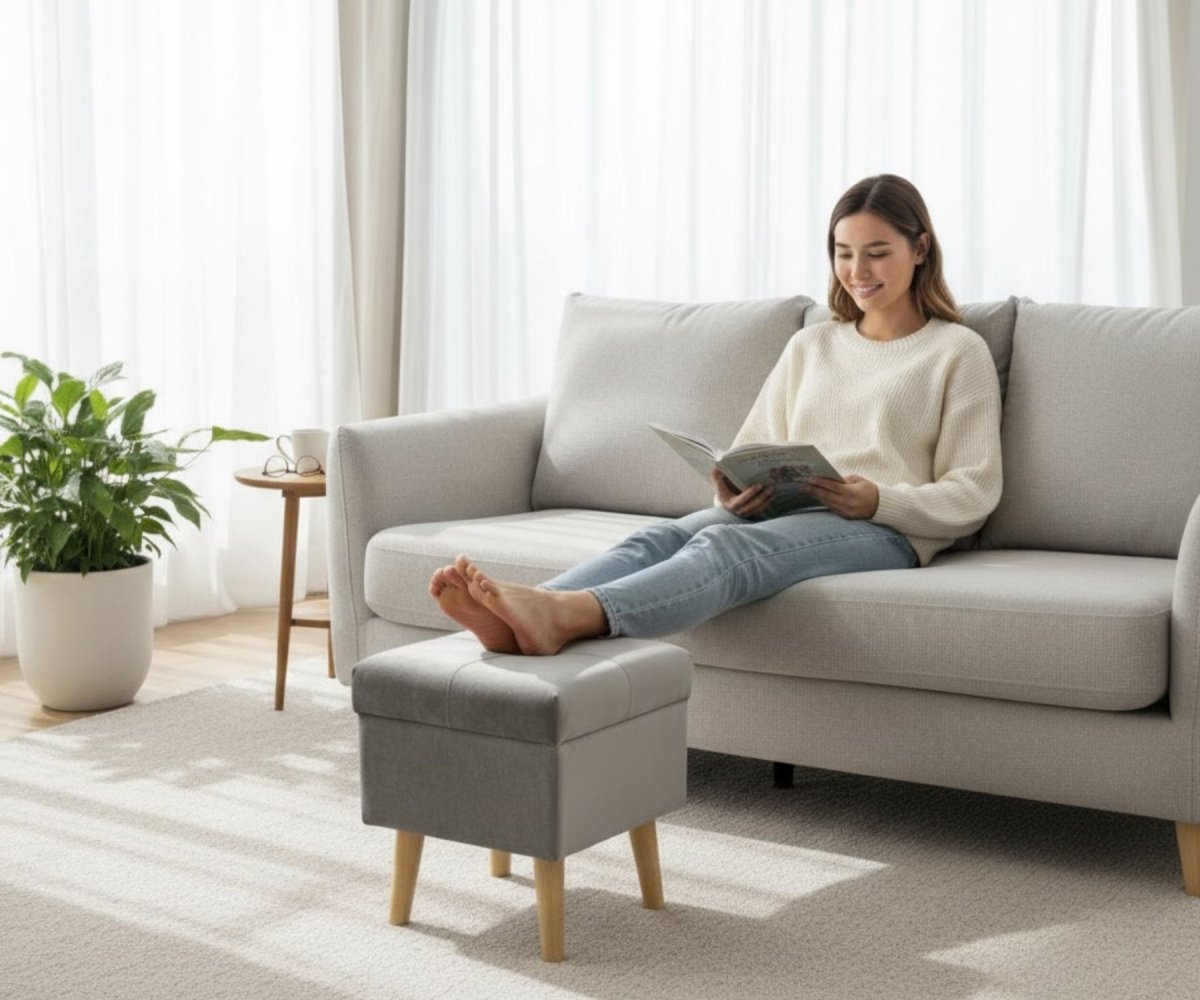
Choose accessories to support the corner’s purpose rather than filling every available space. For reading, a lamp and small table can keep light and essentials within reach. For conversation, a table may be useful for a drink, provided it doesn’t crowd the seat or interrupt movement. A footstool is an optional companion if it suits the way you’ll use the chair and fits comfortably in the layout.
Keep the arrangement edited. One useful table or lamp is often more effective than several small objects competing for attention. If you add a footstool, consider its shape and finish in relation to the chair, and leave enough room to move it without disrupting the seating area. Let the chair remain the focus, with accessories making the corner more practical.
The best chair for sitting room corner should feel connected to your home while still bringing its own character. Once you know the look and purpose you want, explore occasional chairs and footstools to find seating that could complete your room.
Choose your sitting-room corner chair with confidence
A well-chosen corner chair should earn its place in more than one way: it should suit the activity, fit the available space and feel connected to the room around it. Before comparing styles, return to how you plan to use the corner. A reading seat, extra place for guests and lounging spot each call for a different kind of seating, so let everyday purpose guide your choice.
Then consider the room as a whole. A chair can blend with the existing furnishings or bring a considered point of contrast, but its presence should feel balanced beside the sofa and other pieces. The best chair for sitting room corner is the one that feels right in your home, not simply the one that makes the strongest impression on its own.
A quick shortlist before you choose
Use this final check to bring your preferences and practical measurements together. It can help you rule out options that look appealing but don’t support the way you want to use the corner.
Purpose: Decide whether the seat is mainly for reading, conversation, occasional use or lounging.
Shape: Consider whether an occasional chair, rounded tub-style silhouette, Louis style chair or chaise longue best suits that purpose and your room.
Footprint: Compare the chair’s stated dimensions with your measurements, including the space needed to approach it and move around it.
Room connection: Choose whether the chair should echo an existing colour, shape or finish, or create a focal point against quieter surroundings.
Take another look at your floor plan or marked-out footprint before making a decision. A chair that fits the corner on paper may still feel awkward if it disrupts circulation or crowds nearby furniture. Recheck how its position relates to doors, windows and the main seating, then compare individual chair dimensions rather than relying on a style label or product photograph.
Explore seating that suits your sitting room
Occasional chairs are a natural starting point for a corner that needs flexible seating. If stretching out is the priority, a chaise longue offers a distinct alternative; a Louis style chair may suit a room where decorative character matters. A tub-shaped silhouette can also work well, but assess each chair’s actual dimensions and position in your layout rather than assuming it will suit because of its name.
Keep your shortlist focused on the details that matter in your home: how the chair will be used, how it fits and how its presence relates to the décor. You don’t need to settle every styling choice at once. A clear sense of purpose and proportion gives you a confident starting point for browsing occasional chairs and other indoor seating.
Once you’ve revisited your intended use and measurements, explore the indoor furniture collection to find seating that could bring your sitting-room corner together.
Make the corner your own
The right chair can do more than fill an empty space. It can give a sitting room a new rhythm, create a place you look forward to using and bring more of your personality into the home. Let your daily routine guide the final choice, then picture how the chair will feel as part of everyday life. That’s a more rewarding way to find the best chair for sitting room corner than choosing by appearance alone.
Acacia Home is a family-owned UK furniture retailer with seating that includes occasional chairs, chaise longues, window seats and footstools. Browse the range and consider which pieces suit the corner you have in mind.
Explore seating for your sitting room and find a chair to make your corner welcoming, considered and useful.
Frequently Asked Questions
Can an accent chair go in a sitting-room corner?
Yes, an accent chair can work in a sitting-room corner if its position suits its purpose and leaves the room easy to use. A chair beside a bookcase, for example, might make a handy reading spot, while one near the sofa could offer another place to sit during visits. Consider whether its shape fits the available space and whether people can pass through without squeezing past it.
Should a corner chair match the sofa?
No, a corner chair doesn’t need to match the sofa or come from the same set. A shared colour, wood tone or curved outline can link the pieces while allowing each to have its own character. For a more collected feel, contrast the chair’s shape with the sofa and repeat a small detail elsewhere, such as a cushion colour or the finish on a side table.
How many accent chairs should a sitting room have?
There’s no fixed number. Choose according to the room’s layout, existing seats and how often you need extra places. If the sofa already serves everyday family life, one occasional chair may be enough for reading or visitors. In a larger room where people often gather, more seats might make conversation easier. Sketching the arrangement first can help you avoid crowding the room or adding seats that get in the way.
Can I put a chair in front of a sitting-room window?
Yes, provided the position suits the window and doesn’t make it awkward to open, reach or dress. A chair angled towards the room can make the window feel part of the sitting area, while one placed directly in front may obstruct access or reduce useful light. Consider curtains and window treatments too: they should hang and move freely, and the arrangement should still work from other parts of the room.
Is a tub chair a good choice for a sitting-room corner?
A tub chair can be a good choice if its rounded outline works with the corner and the furniture around it. Its curved shape can soften a room with many straight-edged pieces, but its overall width and depth still need careful consideration, particularly in a compact arrangement. Think about whether it will be used regularly or mainly as an occasional seat, then compare its dimensions with the available space.
Do I need a footstool with a corner chair?
No, a footstool is optional. It may suit a chair used for longer periods of reading or relaxing, but it isn’t essential for a seat intended mainly for guests. Consider how you’ll use the chair, then check whether a footstool can sit nearby without becoming an obstacle or taking space from another useful piece. If the corner is close to a doorway or table, the chair alone may make a tidier arrangement.
What should I measure before buying a chair for a corner?
Measure the usable floor area, then compare it with the chair’s stated overall width and depth. Include anything that reduces the available space, such as skirting boards or nearby furniture. Also consider where the chair’s front edge will sit: a seat can fit into the corner yet make the route past it uncomfortable. Marking the outline on the floor can help you picture the space before choosing.
Comments