
Best Chair for Reading in the Bedroom: A Buying Guide
The chair that looks most luxurious in a photograph may not be the best chair for reading in bedroom, especially if it leaves you shifting about after a few pages. The right seat should suit the way you like to read, support a relaxed posture and feel at home in your room without competing with the bed for space.
It’s easy to focus on colour, shape and soft upholstery first, but comfort depends on practical details too: seat depth, back support, arm position and the room the chair needs. A generous shape can feel cocooning, while a compact occasional chair may be a better fit for a smaller bedroom.
This guide compares chair styles and explains how to assess proportions, comfort and everyday use before you buy. You’ll find practical ways to match a chair to your reading posture, plan its footprint and decide whether a footstool would help you stretch out. With a few considered choices, you can create a reading spot that feels inviting and balanced within your bedroom.
Table of Contents
What makes the best chair for reading in a bedroom?
A bedroom reading chair should support a comfortable reading posture and suit the available space and character of the room. It’s more than an attractive seat beside a book: it needs to feel inviting to use, fit naturally into the room and work with the way you actually read.
Bedrooms have different demands from living rooms. A chair can offer a quiet place to pause, but it shouldn’t crowd the route between the door, bed and wardrobe or make drawers and cupboard doors difficult to reach. Think about how often you’ll use it as well. A chair for the occasional chapter may have different priorities from one you’ll use for longer reading sessions. The history and types of chairs offer useful context, but your reading habits and bedroom should guide the final choice.
In brief: the right reading chair balances posture support, a footprint that suits your room and comfort that matches how you’ll use it.
What should a bedroom reading chair do well?
Start with your natural posture. Do you sit upright, curl your legs beneath you or lean back between chapters? A chair that feels comfortable for a few minutes may not suit a longer session, so consider both how you sit and how long you usually read.
Looks matter, but they’re only part of the decision. A striking silhouette won’t make up for a seat that feels awkward or arms that get in the way of holding a book. Compare the chair’s shape with how you expect to use it, rather than choosing by appearance alone.
Occasional reading and regular reading can call for different compromises. If you’ll use the chair now and again, a compact seat that complements the bedroom may be enough. For frequent, longer sessions, pay close attention to the back, seat and arm position. A footstool can give you room to stretch your legs, but include its extra footprint when planning the space.
Acacia Home’s indoor furniture range includes occasional chairs, a useful category to explore when looking for a bedroom reading seat. Choose according to how the chair will serve you, not just where it might look good in a photograph.
Which bedroom needs a dedicated reading seat?
A separate chair can create a small personal retreat, especially if there’s a quiet corner that doesn’t interrupt everyday movement. Before choosing one, picture the usual routes across the room and check that drawers, cupboard doors and the bed remain easy to reach. If there’s little spare floor space, a chair that also serves another purpose may be more practical than a dedicated reading nook.
Let the room’s everyday use set the limit. A reading spot should make the bedroom feel more considered, not harder to move around in.
Which chair style suits your bedroom reading habits?
Chair labels are a useful starting point, not a guarantee of comfort. An armchair, tub chair or wingback can each give a bedroom reading corner a distinctive look, but the right choice depends on how you sit, how long you read and how much space the chair occupies. Use the comparison as a guide, then assess the proportions of the individual chair.
Let your posture and typical reading-session length guide your choice, rather than relying on the name of a chair style. If you tend to sit upright, an armchair’s arms may give you somewhere to rest your elbows as you hold a book. If you often shift position, look closely at the seat and back to see whether they suit the way you move.
When might an armchair, tub chair or wingback suit you?
A tub chair may suit you if you like curved sides and a more enclosed feel, though that shape won’t feel right for everyone. A wingback’s higher back may appeal if you want more support around your upper body. With any style, check that the arms feel comfortable for holding a book and don’t leave you lifting or hunching your shoulders.
Occasional chairs come in a broad range of silhouettes, so compare the actual shape and scale rather than treating the category as a single design. Acacia Home’s indoor seating includes tub and Louis style chairs, offering different looks to consider for a reading corner. If you expect to read regularly for longer periods, focus on how the seat suits your preferred posture. For a brief chapter now and then, a chair intended for occasional use may be enough.
Are swivel or rocking chairs right for a bedroom?
A swivel chair can suit readers who like turning between a book, a bedside table and the rest of the room without standing. Rocking is a matter of personal preference: some people enjoy gentle movement while reading, while others prefer a still seat. Both styles need room to move, so consider nearby furniture, access to the bedside and the space around the chair before choosing one.
As you compare shapes, explore occasional chairs and indoor seating to find a style that works with your reading habits and bedroom scheme.
How to compare reading-chair comfort, size and style
A chair can look perfectly scaled in a photograph yet feel too deep, too low or too dominant in your bedroom. Compare how it suits your usual reading posture with how much room it occupies, then consider whether its upholstery and shape work with the rest of your furnishings. The best chair for reading in bedroom is the one that works in use as well as in the room.
Use this quick framework to weigh the main considerations:
Which measurements matter before buying?
Measure the floor area where you intend to place the chair, then compare it with the chair’s overall width and depth. Leave room to sit down, stand up and reach nearby furniture without squeezing past. Marking the proposed footprint on the floor can help you judge the scale before deciding. Include the room’s existing routes, not just the empty patch where the chair will stand.
Check the route into the bedroom as well. Measure relevant doorways and consider any narrow turns. A chair that fits the room may still be difficult to manoeuvre into it, so assess both the destination and the way in.
How should the chair feel for reading?
Assess the back, seat and arms as a combination. The seat height should let you rest your feet comfortably, while the depth should suit your legs and preferred position. Consider whether the back works with the way you naturally sit and whether the arms let you hold a book without lifting or hunching your shoulders. A very soft, sink-in appearance can be appealing, but it won’t suit every posture or reading session.
Upholstery is both a tactile and visual choice. Think about how its texture feels and how its colour or pattern will sit with the bedding and other furnishings. Check the product details for information about care and performance rather than assuming that a particular fabric has specific qualities.
Picture the chair with the items you’ll actually use. An existing cushion may change how the back feels or how much seat depth remains. A footstool can give you somewhere to stretch your legs, but count its footprint too. These details help you judge the whole reading arrangement, rather than choosing by appearance alone.
How to make a bedroom reading chair work in your room
A reading chair should feel like part of the bedroom, not an obstacle in its path. Plan the setting as a small, useful arrangement: leave room around the chair, consider the light and, if space allows, include a surface for the things you reach for while reading. These steps can help the seat feel considered as well as inviting.
Choose a possible position. Look at open areas and unused corners, then consider how the chair relates to the bed, wardrobe and windows. Natural light may make one spot appealing by day, but think about how you’ll use the space at other times too.
Sketch the room and its routes. Mark essential furniture, doors and the paths you use each day. A clear route matters more than fitting in another piece of furniture. Don’t let the chair block access to drawers, cupboards or the bed.
Test the chair’s footprint. Use a floor-plan sketch or outline the proposed area with tape. Include the space needed to sit down and stand up, and allow for any nearby items you’d use alongside it.
Plan the reading light. Consider where a lamp could sit so you can read after daylight fades. Keep its position practical for the chair without interrupting movement around the room.
Check the overall balance. Think about the chair’s silhouette, colour and visual weight beside the bed and other furnishings. The right choice should add character without making the room feel crowded or distracting from the rest of the scheme.
Where can a reading chair sit without crowding the bedroom?
An unused corner can give a reading chair a natural place, while an open area may work if it doesn’t cut across a main route. Consider how the spot feels at different times of day. A position near a window may make good use of natural light, but it isn’t the only possibility. Test the chair’s outline in the room before settling on a location.
What makes the reading spot feel complete?
Once the chair is in position, consider what you’ll reach for during a reading break. A suitable lamp can help you keep reading after daylight fades, and a nearby surface can keep a book or reading glasses close to hand. A footstool is optional, but can give you another way to rest your legs. Include its footprint in your plan.
Keep the arrangement visually connected to the rest of the bedroom. Repeating a colour or shape already in the room can help the chair feel at home, while a contrasting choice can create a gentle focal point. Acacia Home’s indoor furniture range includes occasional chairs to consider alongside your existing furnishings.
The best chair for reading in bedroom is only one part of a welcoming nook. A clear route, thoughtful lighting and room for your reading essentials can turn a spare corner into a comfortable retreat. Explore occasional chairs for your bedroom as you bring the arrangement together.
Explore bedroom reading chairs and occasional seating at Acacia Home
Your choice comes down to three things: how you like to sit with a book, how much room the chair can occupy and how often you expect to use it. Keep those priorities in view as you browse. The best chair for reading in bedroom isn’t necessarily the largest or most decorative option; it’s a seat that suits your habits and feels at ease in the room.
Occasional chairs are a natural category to explore for a dedicated reading seat. Acacia Home’s indoor seating includes occasional chairs, tub chairs and Louis style chairs. Compare the shape and details of each with your priorities, rather than relying on the label alone.
Which Acacia Home seating categories may suit a bedroom?
An occasional chair can give a bedroom a distinct place to pause with a book while remaining useful as extra seating. Tub and Louis style chairs offer different design directions to consider as you decide on the look you want. Apply the same questions to any chair you consider: does its shape suit your posture, and will it work with the way you use the room?
Should you add a footstool to your reading chair?
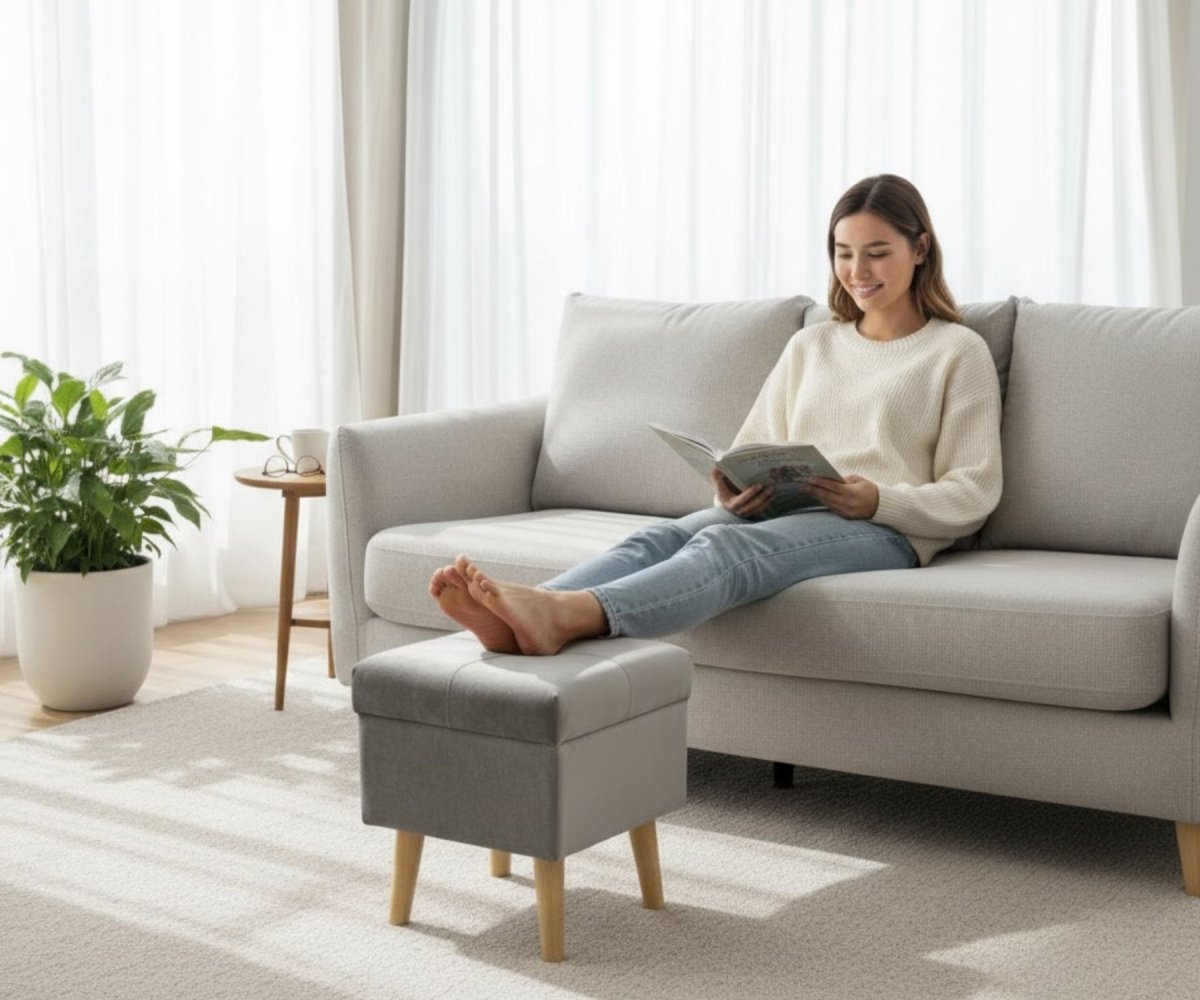
A footstool is optional, not essential. It may suit you if you like to stretch out or change your leg position, but remember to account for the extra floor space it takes up. An ottoman is another possible companion to a chair. Think about how you’d use it and whether it fits naturally beside the seat, rather than adding one by default.
Before settling on a pairing, return to your measurements and picture the full arrangement in the bedroom. A chair and footstool may feel welcoming together, but they should still leave clear access to the bed, storage and everyday routes. Consider how their shapes and colours relate to the existing furnishings, whether you want them to blend in or create a considered focal point.
Browse Acacia Home’s indoor furniture selection to explore occasional seating for a thoughtful bedroom update. Let your reading posture, room measurements and intended use lead the decision, then choose the combination that makes the space feel personal and inviting.
Make space for a reading ritual of your own
A reading corner doesn’t need to transform the whole bedroom. A thoughtfully chosen chair can mark out a little pause in the day, giving you somewhere to unwind with a favourite book and making the room feel more personal. Let the way you want to use the space guide your choice, then picture how it will fit into your everyday routine.
As you browse, keep your preferred reading posture and the character of your room in mind. The best chair for reading in bedroom is one you’ll be glad to return to and that feels naturally at home in your space.
Ready to find a seat that suits your bedroom? Explore Acacia Home’s indoor furniture and discover an inviting option for your next quiet chapter.
Frequently Asked Questions
Can a bedroom reading chair double as occasional seating?
Yes, a bedroom reading chair can serve as extra seating if it’s comfortable and practical for both uses. For example, a chair beside a dressing table might work for reading and getting ready, provided it doesn’t become a place to leave clothes or belongings. Think about whether sharing the seat will interrupt your reading routine, and choose a position that remains convenient for both purposes.
Is a swivel chair practical in a bedroom?
It can be, especially if you like turning from your book towards a bedside table or another part of the room. Picture its movement as well as its resting position: could it turn without nudging a table, catching a rug or narrowing your route? The best chair for reading in bedroom is one that works with your everyday movements, so compare a swivel style with a fixed seat in the same spot.
Should a reading chair match the rest of the bedroom furniture?
No, an exact match isn’t necessary. A chair can feel connected to the room through a repeated colour, a complementary shape or a similar visual weight, while still bringing its own character. For instance, a chair in a contrasting colour can enliven a neutral bedroom. Consider the bed, curtains and nearby furnishings as a group, so the new seat adds interest without making the room feel visually busy.
Can I put a reading chair beside a bedroom window?
Yes, if the position feels comfortable and doesn’t interfere with the window or nearby furniture. Consider how the light falls at the times you usually read, and whether the spot feels draughty or inconvenient to reach. Leave room to open the window and move around it comfortably. If the daylight isn’t enough later in the day, a nearby lamp can make the seat useful beyond bright hours.
What should I measure before ordering a bedroom chair?
Measure the floor area for the chair, including its width and depth, then consider the space needed to sit down and get up. Check that doors, drawers and walkways will remain usable. Also measure the route into the bedroom, including doorways and tight turns, to judge whether the chair can be brought into the room. A tape outline on the floor can help you visualise its scale.
Is a footstool necessary with a bedroom reading chair?
No, a footstool is optional, not a requirement. It may be useful if you enjoy stretching your legs or changing position, but it takes up additional space and may need moving when you’re not reading. Picture sitting in your chosen chair as you normally would, then decide whether a footstool would add something meaningful to your routine or make a compact corner harder to use.
How do I choose between a tub chair and an armchair for reading?
Choose according to how each shape suits you, rather than relying on its name. A tub chair’s curved sides create a more enclosing outline, while armchairs come in varied forms. Compare how each supports your usual position, whether the arms feel comfortable and how the chair looks beside the bed. In a compact bedroom, consider which shape leaves more room around it.
Comments