
Garden mirrors for safe, stylish outdoor spaces
An indoor mirror isn’t automatically suitable for the garden. Weatherproof paint and sealant can help protect it from wind and rain. Purpose-made garden mirrors are a more straightforward choice. Whichever you choose, place it in shade, away from direct sunlight, to reduce glare and the risk of focused sunlight. Consider the style, its surroundings and how securely it can be fixed.
A reflective surface can bring light into a tucked-away corner, suggest another window or make a planting area feel more open. It’s natural to focus first on the frame, but the right size, finish and position help garden mirrors feel at home outdoors, rather than like indoor pieces left exposed to the weather.
This guide explains how to choose garden mirrors by style, size and colour, whether an indoor mirror can work outside, and what to consider when fixing one securely. You’ll also find practical positioning ideas to create a sense of depth, while keeping sunlight, fence strength and nearby birds in mind.
Table of Contents
Fixings and safe installation
A secure fitting starts with the surface, not the frame. Before choosing a fixing, consider whether the mirror will hang on masonry, timber or a fence. Each surface needs suitable fittings, and a fence must be strong enough to bear the mirror’s weight. Garden mirrors vary in size and weight, so assess the support for the specific piece rather than judging by appearance alone. A decorative panel may look sturdy but move once a mirror is attached.
Large garden mirrors may need two people to handle safely. One person can steady the frame while the other positions it and marks the fixing points. This makes lifting easier and reduces the chance of the mirror twisting or striking the wall. Protect the glass while handling it, and don’t leave the frame resting where it could slide or fall.
Use this sequence before hanging a mirror:
Choose the position. Check that the surface is sound and the mirror won’t obstruct a gate, path or regularly used seating area.
Assess the support. For a fence, check that it can bear the mirror’s weight and that the fittings suit the fence material.
Plan the fixing points. Follow the mirror’s fitting arrangement, keeping the frame level and properly supported.
Lift with help. Have two people handle a large mirror, with one steadying it as the other secures it.
Review the result. Look for movement in the frame or support before leaving the mirror in place.
Ownership matters too. Hang a mirror only on your own fence, or on a neighbour’s fence with their permission. If the fence belongs to a neighbour, agree on the position before making fixing points. This helps avoid disputes about altering a boundary and gives you both a chance to consider how the mirror will look from either garden.
An indoor mirror repurposed outside needs protection from the weather. Treat it with weatherproof paint and sealant to help guard against wind and rain. Purpose-made outdoor mirrors are intended for garden use, while an untreated indoor frame can deteriorate in wet conditions. Place the mirror in shade, away from direct sunlight. Reflected sunlight can focus on nearby materials and start a fire, while glare can make the reflection uncomfortable to view.
Consider birds before settling on the final position. In gardens with bird activity, cover the mirror, fit stickers or avoid using it during the breeding season. Reflections can prompt birds to display or fight with what they mistake for another bird. These precautions make garden mirrors a more considered feature and help reduce unexpected risks to wildlife.
Garden mirror styles, sizes and colours
Start with the garden’s proportions, then choose a frame that complements its materials. A slim black frame can echo metal furniture, while a gold-toned hexagon adds a smaller decorative accent. Arched, windowpane, grid, acrylic and illusion designs each create a different effect. Consider the view the glass will reflect as well as the frame itself.
Scale changes how the mirror feels within the space. For a compact courtyard or balcony, mirrors around 40-80 cm can provide a focal point without dominating a wall. A mirror 100 cm tall or more reads as a larger feature; some garden designs exceed 180 cm in height. Measure the available wall or fence space before choosing, including room around the frame.
Examples show how varied the proportions can be. A narrow design measuring 120 × 40 cm can suit a slim fence section, whilst a 130 × 70 cm shuttered mirror has a broader presence. A black industrial window style measuring 174 × 85 cm offers a taller, more architectural outline. Use these dimensions as reference points, then compare them with the height and width of your intended position.
Colour can help the frame blend into the garden or make it a deliberate accent. Black connects readily with dark metalwork and creates a crisp outline against pale walls. Green can sit quietly among foliage, while gold brings contrast against darker planting or timber. Match the finish to nearby details, such as a gate, planter or furniture frame, rather than choosing it in isolation.
Planning restrictions can depend on the property and the mirror’s position. In a rented home, read the tenancy agreement and get the landlord’s permission before fixing a mirror to a fence or wall.
Mirrors can affect birds: a reflection may prompt displaying or fighting, particularly during the breeding season. If birds are active nearby, cover the glass, fit stickers or avoid placing a mirror where they can see it. Consider this practical detail as part of choosing the style and position, not as an afterthought.
For a considered scheme, pair the frame’s colour with the garden’s seating and finishes. Browse outdoor furniture for ideas that can help the mirror feel connected to its surroundings.
Mirrors that create garden illusions
A reflective surface can make a boundary feel less final and add visual depth to a garden. The effect depends on the reflected scene, so assess what the glass will show from your everyday viewpoints.
Garden illusion effects
A mirror can suggest a passage beyond a wall, repeat a glimpse of greenery or brighten a dim corner. The most convincing illusion connects visually with the surrounding garden. For example, a leafy climber reflected beside real planting appears more continuous than a reflection of a storage area or bare fence.
Different designs shape the illusion in different ways. An arched frame can resemble a doorway, while a windowpane frame breaks the reflection into smaller views. Garden mirrors may also pick up changing details, such as flowers in bloom or branches moving in the breeze. Choose a reflection that adds interest without making the boundary feel visually cluttered.
To judge the effect, stand where you enter the garden and where you usually pause. Look at the mirror from each position, as the reflected image can change significantly with your angle. A view that looks open from a patio chair may reveal an unwanted corner from the path. Prioritise the sightline you enjoy most, then check that the frame sits naturally against its surroundings.
Placement for a larger-looking garden
For a greater sense of depth, set the reflective surface opposite a feature with texture, such as layered foliage or a flowering border. Repeating those details draws the eye beyond the boundary. Garden mirrors can work particularly well where a wall or fence would otherwise interrupt a view across the planting.
In a narrow courtyard, try a position that catches greenery at the far end, drawing the eye along the space. In a wider garden, choose a boundary angle that reflects across the lawn or towards a planted edge. Avoid reflections of bins, tools or a blank wall, which can draw attention to practical clutter instead of extending the garden.
Before fixing the mirror, view the proposed position from the doorway, seating area and main path. Ask someone to hold it in place while you compare those sightlines. Check the reflection at different times of day, too. Keep direct sunlight off the glass to reduce glare, and choose a shaded position that still captures the feature you want to repeat.

Rustic, Gothic and modern frames
A frame can echo existing garden details or introduce a contrasting feature. Compare its shape, finish and proportions with your boundary, planting and outdoor furniture.
Rustic frame styles
Rustic designs bring a softer, more characterful outline than a plain rectangular frame. The Shabby Chic Garden Mirror with Gothic Arch Frame measures 112 × 61 cm, combining a curved top with a compact portrait shape. It can suit a smaller wall where a tall, imposing mirror would feel out of scale.
For a stronger architectural presence, the Gothic Arch Mirror with Rustic Metal Frame measures 161 × 72 cm. Its taller proportions make the arch a noticeable feature, so consider whether the surrounding fence or wall has enough visual space. A frame with a distinctive silhouette can draw the eye even before the reflection comes into view.
When comparing rustic and Gothic styles, look at the lines already present in the garden. An arch can complement a curved doorway or soften a straight boundary; a more ornate outline adds detail to a simple wall. Check the reflected scene, too. Foliage or a planting bed can balance a decorative frame, while a busy reflection may compete with it.
Use a practical sequence: note the available height and width, compare those measurements with the mirror, then view the outline against the intended background. The 112 × 61 cm example suits a different scale from the 161 × 72 cm design. This simple comparison helps the frame feel deliberate rather than crowded into its position.
Modern frame styles
Modern designs often use clear geometry and a pared-back outline. Black industrial frames make the window shape prominent, while multiple panes divide the reflection into smaller sections. The Extra Large Rectangular Grid Wall Mirror in Black Metal measures 174 × 110 cm and has 24 individual panes.
A narrower option is the Black Industrial Full Length Metal Window Mirror, measuring 174 × 85 cm. Its 18 square panes create a regular grid, which can suit a boundary with strong horizontal or vertical lines. Compare the pane pattern with nearby doors, fencing or paving, rather than treating the frame as an isolated feature.
The City Black Industrial Garden Mirror is available in four sizes, giving you different scales within the same style. Before choosing, measure the wall and consider how much of the reflection you want the frame to divide. A larger grid can become a bold focal point; a slimmer format can add a window-like accent without taking over the view.
For a cohesive modern scheme, repeat a finish or shape elsewhere, such as black metal on a gate or planter. Keep the reflected scene simple enough to read through the panes. The frame should strengthen the garden’s existing character, whether you prefer rustic arches or a crisp industrial grid.
Where should you place a mirror in a garden to make it look bigger?
Position determines whether a mirror extends the view or simply reflects a boundary. Start with the sightlines from your patio, doorway and main garden path, then choose a position that repeats attractive planting.
A large mirror opposite a planting bed can reflect foliage and create the impression of depth beyond a wall or fence. Choose a bed with varied leaves or flowers, rather than bare soil or a single sparse plant. The reflected scene should look like a continuation of the garden, not a separate picture framed on the boundary.
In a narrow courtyard, try the far end of the space. A mirror reflecting a leafy corner can draw the eye forward and make the garden feel less enclosed. In a rectangular garden, a side boundary may work better if it catches a view across the lawn or towards a border. Check the reflection from the places you actually use, not just from directly in front of the glass.
Test the position before fixing the mirror. Ask someone to hold it securely while you view the reflection from several spots, including the house, seating area and path. A position that reflects a plant from the patio might show a shed or storage area from the doorway.
Choose a focal view: reflect a planting bed, climber or attractive tree, rather than a blank fence.
Check the angle: view the reflection from the patio and path to see whether it feels like a natural extension.
Mind the light: position the mirror away from direct sunlight to prevent glare.
Consider movement: avoid a spot where an opening gate or passing activity repeatedly interrupts the reflection.
For a small courtyard, a window-style mirror can suggest an opening through the boundary. In a larger garden, a broad mirror opposite layered planting can repeat the greenery and strengthen the sense of space. The frame should suit the boundary, but the reflected view does most of the work.
Finally, look at the reflection throughout the day. Sunlight shifts, and a view that feels calm in the morning may become uncomfortable when direct rays reach the glass. Choose a shaded position that still captures the plants or garden feature you want to bring into view.
Explore outdoor furniture to help create a considered setting around your mirror, with seating positioned to enjoy the reflected garden.
Acacia Home: Occasional Chairs
Acacia Home offers Occasional Chairs for creating a comfortable spot to enjoy the garden view from indoors. Once you’ve positioned an outdoor mirror to reflect planting or add depth to a boundary, consider how that view looks from the room beyond. A well-placed chair near a window can make the reflected greenery part of a calm reading corner, without suggesting indoor furniture belongs outside.
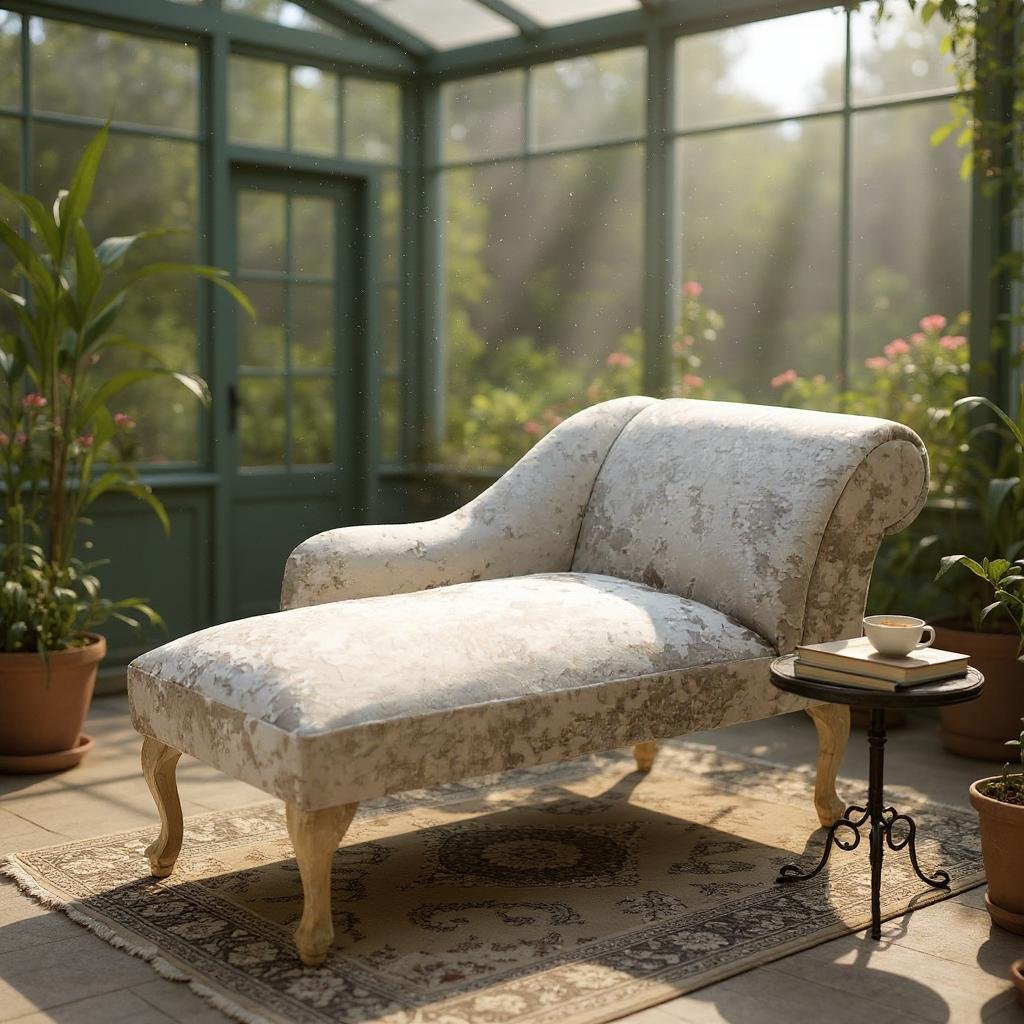
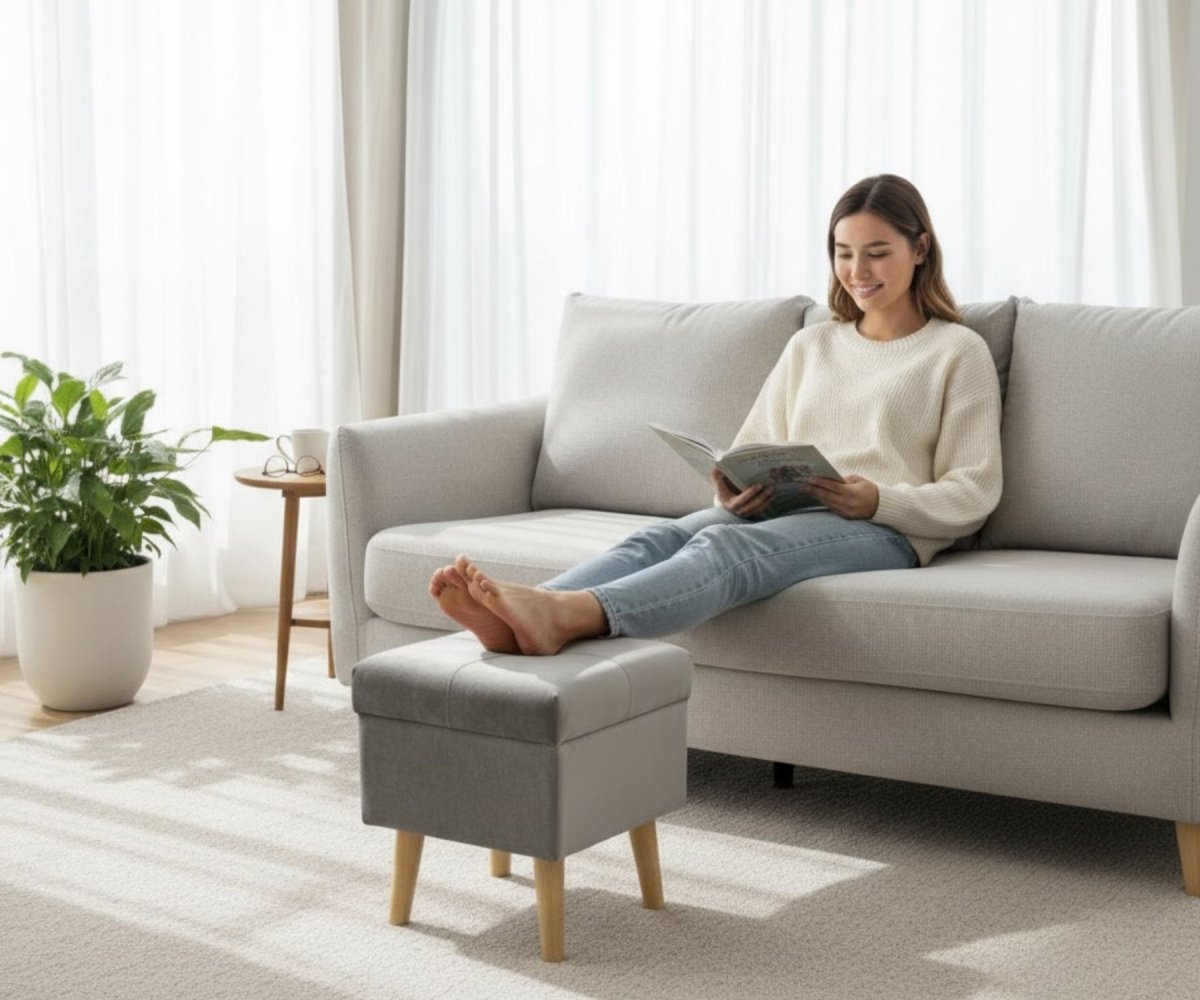
For other rooms, Acacia Home also offers Dining Chairs, Footstools, Chaise Longues and Window Seats. These pieces can help shape inviting places to pause, whether you’re arranging a dining space or making use of a bright window alcove. Explore the seating range, or visit Acacia Home online.
Make the garden view part of your everyday
A mirror can become more than a decorative detail: it can shape the view you enjoy from the house and give a familiar corner a fresh perspective. As planting changes through the seasons, notice how the reflection changes too. Let that evolving view guide your next choice, whether you’re arranging a peaceful reading spot or creating a welcoming place to gather.
Acacia Home offers Occasional Chairs, Dining Chairs and Footstools to help create comfortable, considered spaces indoors. An occasional chair near a window, for example, can make a garden view part of a quiet moment at home. Explore these pieces as you bring your outdoor and indoor settings into conversation, with garden mirrors adding another considered detail to the wider scheme.
For a closer look at seating and furnishings for your home, visit Acacia Home online. A thoughtful next step can be as simple as choosing the view you’d most like to enjoy.
Frequently Asked Questions
Can you put any mirror in the garden?
No, an ordinary indoor mirror isn’t automatically suited to outdoor conditions. Its frame, backing and fixings may deteriorate when exposed to wind and rain. Choose a mirror made for garden use, or protect an indoor mirror with weatherproof paint and sealant. Also consider its position: direct sunlight can cause glare and focus reflected light, so a shaded location is safer.
What types of garden mirrors are available in the UK?
UK garden styles include acrylic mirrors, outdoor mirrors and illusion designs. Shapes range from arched and round frames to rectangular windowpane or grid patterns. You’ll also find decorative details, such as shutters, and finishes including black, green and gold. For a compact balcony, a smaller geometric mirror can act as an accent; a window-style frame can give a garden boundary a more architectural look.
What are the best garden mirrors for outdoor use?
The best choice is designed for garden conditions, with weatherproofing to help it withstand wet weather. Many outdoor options are frost-protected, while real glass offers a clearer reflection than acrylic. Consider the frame as well as the reflective surface: metal window styles create a defined, architectural look, while an arched design can feel more decorative. Match the mirror’s proportions to its position and the view it will reflect.
How do you safely install a garden mirror on a fence or wall?
First, assess the surface and choose suitable fittings. A fence needs to support the mirror’s weight, and you should hang a mirror only on your own fence or a neighbour’s with permission. Have two people handle a large mirror, so one can steady it while the other positions it. Follow the mirror’s fitting arrangement, then check the frame and support for movement after installation.
How do you prevent a garden mirror from fogging, cracking or becoming damaged?
Choose a mirror intended for outdoor use and protect its frame and backing from wet conditions. Condensation can form when damp air meets a cooler reflective surface; wiping the glass with a soft, dry cloth clears the film. Avoid knocks from garden tools, moving furniture or gates, and secure the mirror firmly to reduce movement. Position it in shade to limit glare and focused sunlight.
Can you use an indoor mirror outdoors, and what are the risks?
Yes, an indoor mirror can be used outside if you protect it against the elements. Treat it with weatherproof paint and sealant to help guard against wind and rain. Without that protection, moisture can damage the frame or backing, and outdoor exposure may shorten its useful life. A loose fixing can also let the mirror shift or fall, so assess the support and secure the mounting before use.
How much do garden mirrors cost in the UK?
At Acacia Home, simple decorative designs and smaller acrylic pieces start around £15 to £30, while larger window-style or ornate metal frames typically range from £50 to over £150 depending on size and materials.
Which materials make garden mirrors weatherproof and durable?
Choose a purpose-made outdoor mirror; many in the collection are frost-protected and suitable for garden use. Treat an indoor mirror’s frame and backing with weatherproof paint and sealant to help protect them from wind and rain.
Comments