
Styling Occasional Chairs: The 2026 Designer’s Guide
Updated: Sep 9
What if that awkward, empty corner in your sitting room wasn't a design flaw, but actually your home’s greatest untapped opportunity for elegance? We have all experienced the hesitation that comes with introducing a new piece; the fear that a bold pattern might clash or that a sculptural silhouette will feel cold rather than inviting. It is a delicate dance to balance a high-end aesthetic with the warmth of a lived-in sanctuary, especially when you are unsure how to style occasional chairs to look like a curated choice rather than a random addition.
You are about to discover how to transform any overlooked space into a sophisticated retreat by mastering professional placement and layering techniques used by the world’s leading tastemakers. This guide explores the rhythmic beauty of mixing tactile fabrics like velvet and linen, whilst providing a clear roadmap for creating functional seating that doubles as a striking focal point. From understanding the heritage of a classic Louis style frame to the modern appeal of curved silhouettes, we will show you how to blend global craftsmanship with your own personal story for a home that feels both timeless and professionally finished.
Table of Contents
The Role of Occasional Chairs: More Than Just Extra Seating
An occasional chair is far more than a spare seat kept for guests; it's a versatile accent piece that carries the power to redefine your living space. Whilst these pieces are intended for intermittent use, their visual contribution is constant. They function as the punctuation marks of your home’s design narrative, providing the commas that suggest a pause and the full stops that complete a room's aesthetic. Beyond the surface, there's a deep psychological benefit to creating a sanctuary corner. A single chair, thoughtfully placed, invites moments of quiet reflection or an hour lost in a favourite book, turning a transit area into a destination. This is where visual weight becomes essential; a well-chosen chair anchors the room, balancing larger sofas and ensuring the layout feels intentional rather than cluttered.
The Distinction Between Accent and Occasional
Whilst the terms are often used interchangeably, the true occasional chair prioritises versatility and ease of movement. Unlike a heavy armchair that remains fixed for a decade, these pieces are designed to be moved amongst rooms as your needs evolve. Whether it's brought into the dining room for a dinner party or tucked into a guest bedroom, its mobility is its strength. If you are unsure which silhouette suits your lifestyle, exploring a glossary of chair styles can help you identify the differences between a Bergère and a Tub chair. For those ready to make a selection, the ultimate guide to choosing occasional chairs offers expert advice on finding the perfect match for your interior.
Why Every British Home Needs a Focal Point Chair
Many British homes suffer from the boxy living room syndrome, where furniture is pushed against walls, creating a hollow centre. Learning how to style occasional chairs allows you to break this visual monotony. A contrasting piece, such as a Louis style chair, introduces elegant curves and historical heritage to a modern space. By positioning a chair away from the perimeter, you create a seating nook that feels welcoming and intimate. This simple shift in placement transforms a standard room into a professionally curated sanctuary, where every item feels like a deliberate, beautiful choice.
Placement Strategies: Where to Position Your Chair for Maximum Impact
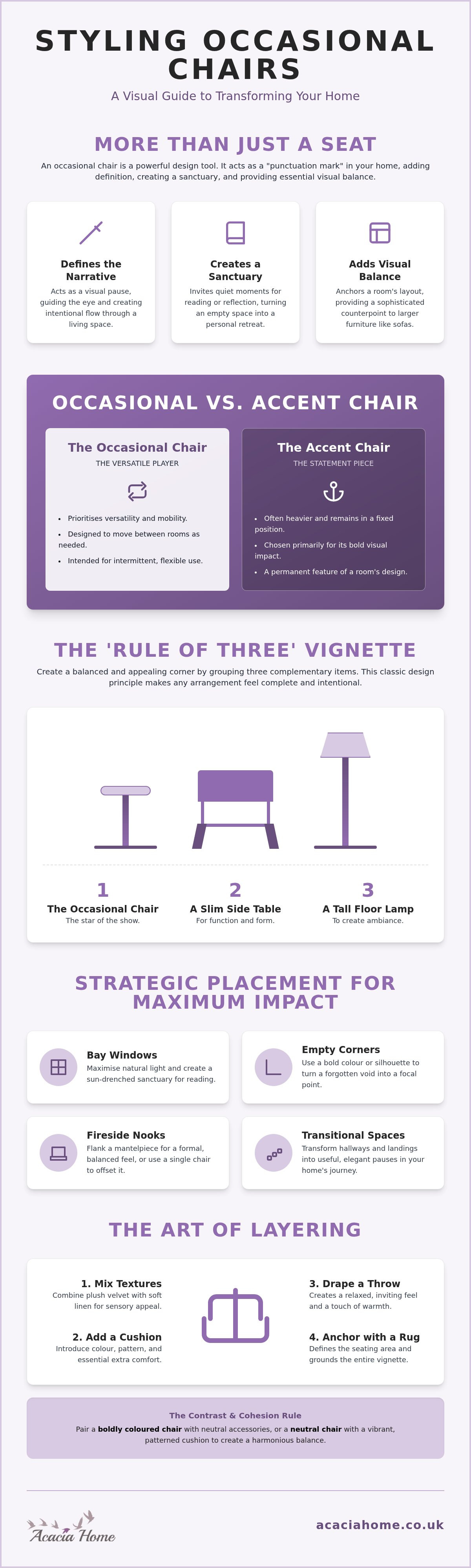
Mastering how to style occasional chairs begins with understanding the 'Rule of Three'. This classic design principle suggests that objects grouped in odd numbers are more appealing and memorable to the human eye. By pairing your chair with a slim side table and a tall floor lamp, you create a self-contained vignette that feels finished. This trio doesn't just fill space; it tells a story of comfort and intention, inviting anyone who enters the room to sit and linger.
In many British homes, the bay window is a prized architectural feature that often goes underutilised. Positioning a pair of chairs here creates a scenic retreat that catches the natural light, turning a simple window into a serene reading nook. Similarly, those awkward alcoves or 'dead corners' can be transformed into purposeful design moments when you understand how to style occasional chairs effectively:
Bay Windows: Maximise natural light by angling the chair towards the glass to create a sun-drenched sanctuary.
Dead Corners: Use a bold colour or a unique silhouette to draw the eye into an alcove, turning a void into a focal point.
Fireside Styling: Flank a mantelpiece with symmetrical seating to create a formal, balanced heart to the room, or use a single piece to offset a heavy fireplace.
The fireplace remains the heart of the home, and styling around it requires a keen eye for balance. You might choose a symmetrical approach with two identical chairs flanking the hearth, or perhaps an asymmetrical layout with one bold piece to offset the visual weight of the mantelpiece. If you're looking for inspiration, you can browse our collection of expertly curated occasional chairs to find a piece that speaks to your unique space.
Creating Conversational Clusters
Social interaction is the soul of a living room. To encourage this, angle your chairs slightly towards the main sofa rather than keeping them parallel to the walls. This creates an 'open invitation' look, especially if the chairs face the room’s entrance. Always ensure there is at least 45cm of space for walkways around the piece. This maintains a fluid rhythm, allowing guests to move freely without feeling cramped amongst the furniture.
The Bedroom Retreat
A bedroom should be a sanctuary, and a well-placed chair is the ultimate finishing touch. Tucking a chair into a quiet corner creates a sophisticated 'dressing room' atmosphere, whilst placement near a window is perfect for morning coffee rituals. Focus on soft, tactile fabrics like velvet or brushed cotton to enhance the sense of peace. Whether at the foot of the bed or in a sunlit corner, it provides a dedicated space for reflection away from the bustle of the house.
The Layering Framework: Using Textiles and Accessories to Add Depth
Layering is the secret language of interior design, turning a simple piece of furniture into a rich, sensory experience. When you're considering how to style occasional chairs, the "Contrast and Cohesion" rule is your most reliable guide. Contrast involves playing with different textures; imagine the tactile delight of a smooth velvet chair paired with a rustic linen throw. Cohesion, on the other hand, comes from pulling a secondary colour from your existing curtains or wallpaper and reflecting it in a cushion. This balance ensures the chair feels like a natural extension of the room rather than a late addition. For those styling a classic Louis style chair, a simple woollen throw can soften the formal lines of the carved wood, making it feel approachable and contemporary.
To truly ground your chair and define it as its own dedicated zone, consider the floor beneath it. A small, high-pile rug placed partially under the front legs creates a "visual island" that separates the seating area from the rest of the room. You can enhance this functional cluster by introducing a storage ottoman as a companion piece. It provides a place to rest your feet whilst offering a discreet home for extra blankets, perfectly blending the "designer" aesthetic with the practical needs of a busy household.
Cushion and Throw Placement
To further elevate this "visual island," the luxury handmade collections from Melody Carpet offer the intricate detail and timeless elegance needed to ground your furniture and complete the room's narrative.
The way you drape a textile can completely alter the room's mood. A "Casual Drape," where a throw is loosely tossed over one corner, suggests a relaxed, lived-in atmosphere. In contrast, a "Structured Fold" over the armrest or back feels intentional and polished. Visual texture is the interplay of light on different fabric weaves like bouclé or velvet. By mixing these weaves, you create a sense of depth that draws the eye and invites you to sit. When choosing colours, look for shades that whisper to other elements in the room, perhaps matching the piping on a cushion to the heritage tones of your walls.
Accessorising the Surroundings
Every room in your home tells a unique story, and the furniture you choose acts as the narrator. Mastering how to style occasional chairs involves looking beyond the traditional sitting room to find those overlooked pockets of potential. In a narrow hallway, a slim occasional chair creates a grand first impression, offering a place to pause whilst setting a sophisticated tone for the rest of the house. Similarly, a landing nook can be transformed from a mere thoroughfare into a quiet sanctuary for reflection with the addition of a single, well-placed seat, a small stack of favourite books, and a piece of fine art photography from Galerie Prints to complete the scene.
Within the modern home office, a "thinking chair" provides a vital escape from the digital glare of the desk, encouraging creativity and a fresh perspective. In large, open-plan living areas, these pieces are indispensable for defining specific zones. Rather than relying on heavy room dividers, you can use a pair of chairs to subtly delineate a conversation area from the dining space. This maintains a sense of airy flow whilst ensuring every corner has a clear, functional purpose. The key is to select pieces that resonate with the room's existing architecture whilst adding a layer of personal identity.
Styling Louis Style Chairs in Modern Interiors
To achieve a "polished casual" register, try dressing down a formal Louis style chair with a chunky knit throw in a soft, neutral tone. This contemporary twist softens the ornate French frames, allowing the exquisite craftsmanship to shine without the piece feeling overly precious or out of place. Pairing these heritage shapes with minimalist walls creates a visionary contrast that feels both timeless and modern. It's about blending the grandeur of the past with the clean, emotive colours of today’s most inspiring sanctuaries.
Maximising the Window Seat
Whether you're working with a built-in bench or a freestanding window seat, the goal is to create a serene frame for the view outside. You can achieve this by layering a curated selection of cushions that pick up the subtle hues of the landscape or garden beyond. This ensures the interior remains a warm focus whilst celebrating the natural light. If you're feeling inspired to transform an empty corner, you can explore our full range of elegant seating to find a piece that truly completes your vision.
Selecting the Perfect Piece: The Acacia Home Curation
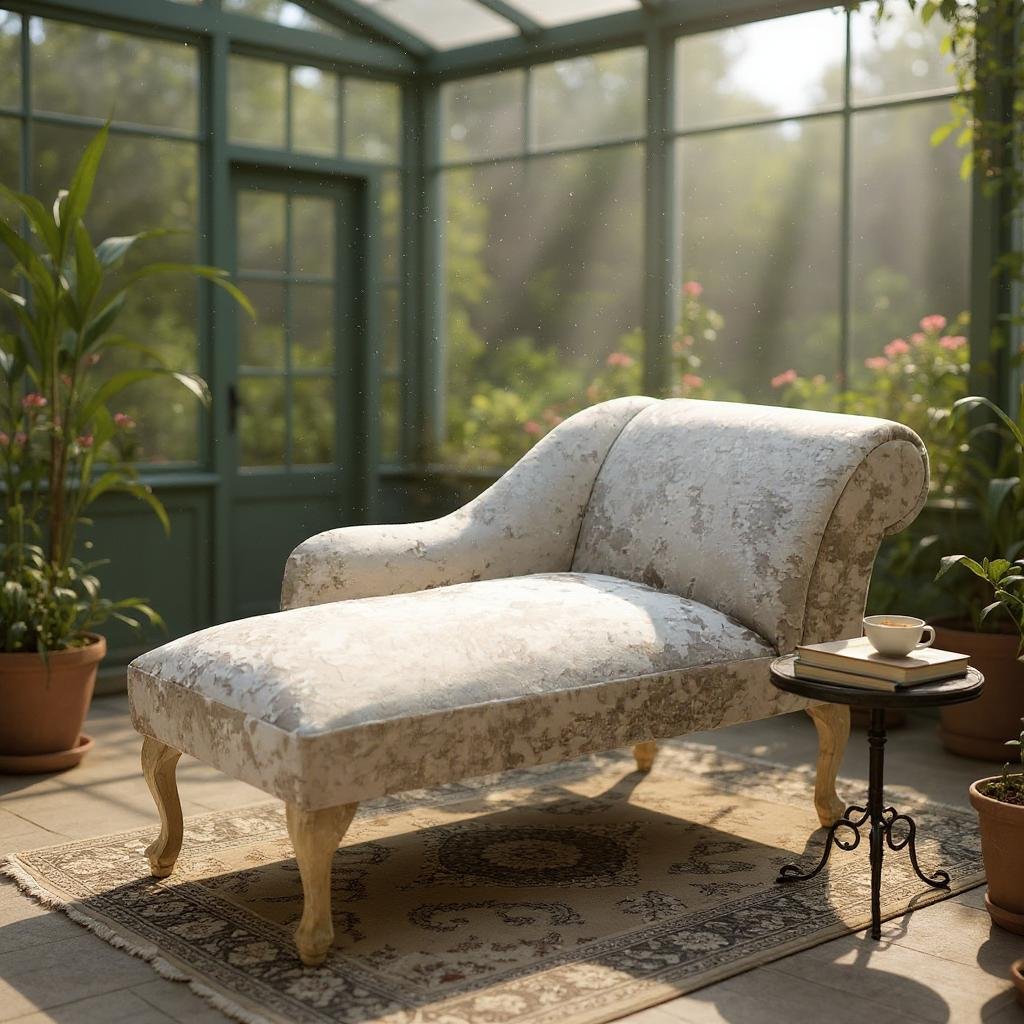
At Acacia Home, we believe your living space is a profound extension of your identity. It's not just about filling rooms; it's about curating a sanctuary that reflects your heritage and personal journey. Our family-owned approach means every piece in our collection, from the intimate curves of a tub chair to the sweeping elegance of a chaise longue, is selected with a passionate, expert eye. We act as a bridge between global craftsmanship and the British home, ensuring that you have access to designs that are both visionary and deeply rooted in traditional values. We see ourselves as your partner in the creative process, supporting your aesthetic goals with the personal service that only a family business can provide. Our national UK delivery ensures that this curated experience reaches your doorstep with the care it deserves.
Quality Craftsmanship You Can Feel
Design is more than a visual experience; it is a sensory one. When you touch the rich pile of a velvet seat or the cool, sturdy frame of a hand-carved chair, you're interacting with a legacy of craftsmanship. Our selection focuses on the impact an item has within your home, prioritising durability alongside timeless beauty. Whether you're drawn to the traditional charm of French-inspired seating or the clean lines of modern accents, our range is built to last. We invite you to find your next favourite piece amongst our curated offerings, whilst knowing each item has been chosen for its ability to transform a space into a true retreat. This commitment to quality ensures that your seating isn't just a purchase; it's an investment in your home’s long-term comfort and character.
Your Next Step to a Styled Home
Transforming your home doesn't require a total overhaul. Often, it begins with a single "hero" chair that anchors the room’s narrative. Once you understand how to style occasional chairs, you can build out the rest of your decor with confidence, layering textures and accessories to create a cohesive look. As a visionary guide in the UK furniture market, we're here to help you navigate these choices without the fear of clashing styles or colours. Start small; focus on one corner that needs life and let your creativity flow from there. Mastery of how to style occasional chairs comes with practice and the right foundational pieces. Explore our curated collection of occasional chairs today and begin the journey of making your home a sophisticated sanctuary.
Elevate Your Home Sanctuary
Your home is far more than a collection of rooms; it's a living canvas that reflects your unique identity. By mastering the art of placement through the Rule of Three and understanding the sensory impact of layering velvet and linen, you've gained the confidence to turn any overlooked corner into a sophisticated retreat. Learning how to style occasional chairs isn't just about following passing trends; it's about creating a personal sanctuary where comfort meets a polished designer aesthetic. Whether you're transforming a narrow hallway with a slim silhouette or defining an open-plan space with a pair of heritage pieces, every choice you make adds a new, beautiful chapter to your home's story.
As a family-run UK business, we take immense pride in acting as your visionary guide. Our expertly curated seating collections bridge the gap between global craftsmanship and your own sanctuary, ensuring every item feels like a deliberate statement of quality. With national UK delivery, your next favourite piece is ready to find its place in your home. We invite you to explore our selection and see how a single, well-chosen chair can redefine your entire living experience.
Frequently Asked Questions
What is the best way to style a chair in a small living room?
Choose a chair with exposed legs and a slim profile to maintain a sense of space. Avoid heavy, skirted designs that block the floor and make a room feel smaller. Position your chair at an angle to the sofa to create a conversational cluster without obstructing the natural flow. Using a mirror on the opposite wall can double the visual impact of your styling whilst keeping the atmosphere light and airy.
How do I choose a cushion that matches my occasional chair?
Selecting the right cushion involves balancing contrast with cohesion. If your chair features a bold pattern, choose a solid-coloured cushion in a secondary hue found within that design. For neutral chairs, introduce visual texture with bouclé or velvet fabrics to add depth. Ensure the scale of the cushion doesn't overwhelm the seat; usually, a 45cm square provides the perfect proportions for most occasional chairs without hiding the beautiful craftsmanship of the frame.
Can I mix a Louis style chair with a modern sofa?
Mixing a Louis style chair with a modern sofa is a hallmark of the "polished casual" aesthetic. The ornate, hand-carved curves of a French-inspired piece provide a visionary contrast to the clean, straight lines of contemporary furniture. To make the pairing feel intentional, choose a fabric for the chair that shares a common colour palette with your sofa, or use a modern, chunky knit throw to bridge the gap between heritage and current styles.
What is the ideal height for a side table next to an occasional chair?
The ideal height for a side table is slightly below or level with the armrest of your chair. This ensures that reaching for a cup of tea or a book feels natural and effortless. Most standard side tables sit between 50cm and 60cm high, which aligns perfectly with the proportions of our curated seating. If your chair lacks arms, aim for the table surface to be roughly level with the seat height for a balanced silhouette.
Should an occasional chair match the colour of my curtains?
Your occasional chair doesn't need to match your curtains exactly; in fact, a slight variation often creates a more sophisticated, layered look. Instead of an identical match, try pulling a subtle accent colour from the curtain’s pattern and using it for the chair's upholstery. This creates a rhythmic connection throughout the room without the space feeling overly "staged" or repetitive, allowing the chair to act as a distinct focal point in its own right.
How do I style a chair in an awkward corner or alcove?
To transform an awkward alcove, treat the chair as the centrepiece of a dedicated "sanctuary nook." Use a small, circular rug to ground the space and define it as a separate zone from the main room. Adding a tall indoor plant behind the chair helps soften sharp corners and adds vertical interest. This approach turns a "dead" space into a purposeful, lived-in retreat that invites you to pause and reflect in comfort.
What fabrics are best for a high-traffic occasional chair?
For high-traffic areas, look for durable, tightly woven fabrics like polyester blends or treated linens that offer high rub counts. Velvet is also a surprisingly resilient choice for busy homes as it resists snagging and maintains its rich colour over time. When considering how to style occasional chairs in active spaces, choose darker tones or mottled patterns that naturally disguise everyday wear whilst still providing the sensory appeal and beauty you desire.
How many occasional chairs are too many for one room?
The limit depends on the room's scale, but usually, more than two occasional chairs in a standard-sized room can begin to feel cluttered. The goal is to enhance the room's narrative, not overwhelm it. In larger, open-plan spaces, you might use four chairs to create two distinct conversational clusters. Always prioritise the "walkway" rule by keeping at least 45cm of clear space around each piece to ensure the room remains functional and inviting.
Comments