
Garden accessories for outdoor lighting, gifts and mirrors
A garden feels more considered when every accessory has a purpose. Choose garden accessories to suit how you use the space, its scale and the atmosphere you want to create. Then bring them together with complementary materials or colours. A well-placed mirror, lantern or decorative accent adds character without competing for attention.
Outdoor details help a patio feel welcoming, give a quiet corner its own personality and make time outside feel special. Balance practical choices with pieces you love rather than filling every available space.
This guide explains how to choose decorative touches, create inviting outdoor lighting and find garden mirrors that suit their surroundings. It also offers ideas for thoughtful gifts, with practical ways to consider proportion, placement and the mood you want your garden to have.
Table of Contents
How Do I Choose the Right Garden Accessories for Decoration?
Start with one area, such as a patio border or garden gate, and choose a clear focal point. A hanging basket, metal ornament or stone feature can then guide the colour and style of nearby decorative details.
Look at the space from places where you spend time, such as a kitchen window or garden seat. Consider existing materials first: brick, timber, paving and foliage all influence which finishes feel at home. For a restrained display, repeat one material or colour in two places, such as a dark metal bracket beside a matching plant stake. If the garden already has bold paving, choose smaller accents instead of adding several competing statement pieces.
Decorative brackets and hanging basket supports make use of vertical space, drawing the eye towards a wall, fence or doorway. Before choosing one, identify the surface and intended position of the basket, then consider how its shape relates to nearby features. A curved bracket can soften a straight brick wall, while a simple support suits a more orderly fence. Keep the hanging display clear of gates and paths, and pair it with plants whose foliage complements the surrounding colours.
Metal and Stone Decorations
Metal and stone decorations bring different visual weight to a garden display. A slender metal ornament adds a defined outline among leafy plants, while a stone feature creates a stronger, grounded focal point beside a path or border. Match the piece to its setting: compare its finish with nearby railings, paving and pots, and leave enough space around it for its shape to stand out.
Signs, plaques and decorative plant stakes add detail at eye level or among planting. Choose a plaque for a wall or fence where it can be seen, and use a plant stake to mark a favourite pot or add height to a low border. Make sure lettering and ornamentation stand out against the background. A simple sign beside a gate, paired with a restrained stake in a nearby planter, creates a cohesive display.
Solar-Powered Decorations
Solar-powered decorations combine a visual feature with a gentle point of light. Position one where it can receive daylight, rather than beneath dense foliage or in a covered corner. A solar ornament near a path can help define the route after dusk, while one among pots can highlight a group of plants. Consider how it looks in daylight too, so the decoration suits the garden when unlit.
Before placing each piece, step back and view the arrangement from the patio and a main window. Keep a clear focal point, then use smaller accents to lead the eye towards it. For example, a hanging basket above a planted border can work with a plaque on the nearby fence and a single metal stake below. This measured approach gives garden accessories room to stand out without crowding paths, plants or views.
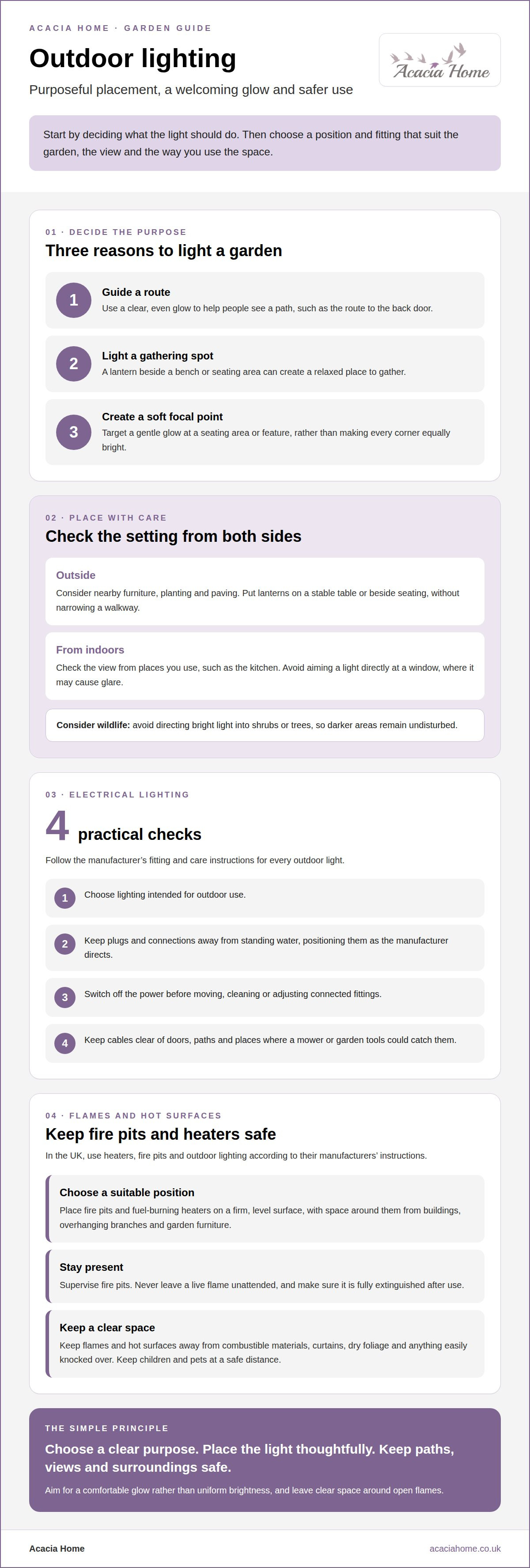
Outdoor lighting and lanterns
In the UK, use heaters, fire pits and outdoor lighting according to their manufacturers’ instructions. Keep flames and hot surfaces away from combustible materials, supervise fire pits, and use outdoor-suitable lighting with connections protected as directed.
First decide what the light needs to do: guide guests along a path, illuminate a dining area or create a soft evening focal point. A lantern beside a garden bench creates a different effect from lights marking a route to the back door. Choose the location, then consider each fitting’s size and finish alongside nearby furniture, planting and paving.
Garden lanterns are a decorative way to introduce light without making every corner equally bright. Place one on a stable table or beside a seating area, where it adds atmosphere without narrowing a walkway. For a coordinated look, repeat a finish already used outdoors, such as dark metal on a lantern near matching chairs. Leave clear space around open flames, and keep lanterns away from curtains, dry foliage and anything easily knocked over.
Consider how the lighting looks from indoors as well as outside. A lantern near a patio door can create a welcoming view from the kitchen, while a light aimed directly at a window may cause glare. Where wildlife uses the garden, avoid directing bright light into shrubs or trees. A softer, targeted glow can define a seating spot while leaving darker areas undisturbed.
Before using any electrical light, follow these practical steps:
Choose lighting intended for outdoor use, and follow its fitting and care instructions.
Keep plugs and connections away from standing water, positioning them as the manufacturer directs.
Switch off the power before moving, cleaning or adjusting connected fittings.
Keep cables clear of doors, paths and areas where a mower or garden tools could catch them.
Place fire pits and fuel-burning heaters on a firm, level surface, with space around them from buildings, overhanging branches and garden furniture. Never leave a live flame unattended, and make sure it is fully extinguished after use. Keep children and pets, including inquisitive animals, at a safe distance from flames and hot equipment.
Match the light’s purpose to its placement: a lantern beside seating creates a relaxed gathering point, while a clear, even glow helps people see a path. Explore decorative lighting and lanterns to find a style that complements the garden’s setting.
Before settling on an arrangement, view the garden from the places you use most, then adjust each light so its glow serves a clear purpose. Check that it does not obscure steps or create distracting reflections. Aim for a comfortable effect rather than uniform brightness. If the layout changes with the seasons, choose positions that remain accessible for routine care and do not interfere with planting or furniture.
The garden and outdoors collection contains 20 products. Compare options by their intended setting, finish and practical placement, then select what suits the space you have planned. A deliberate arrangement can preserve contrast between illuminated seating areas and quieter parts of the garden. After setting everything up, check the view from both the patio and the house, and make any final adjustments in line with the manufacturer’s instructions.
Garden accessories for gifting
A thoughtful garden gift reflects how someone uses their outdoor space, not just its size. For a keen host, a lantern can add character to an evening table; for a plant enthusiast, a decorative ornament can bring personality to a favourite border. A housewarming present might suit a new patio, while a birthday gift could celebrate someone’s particular love of birds, flowers or classic garden details.
Start with three clues: the recipient’s style, available space and gardening habits. A compact balcony calls for a smaller accent than a generous lawn, while a carefully arranged courtyard may suit one sculptural feature. Notice whether their garden favours natural stone, dark metal or colourful planting. Echoing an existing detail helps a gift feel personal without requiring a complete redesign.
Garden ornaments make expressive presents because their shape and subject can reflect the recipient’s interests. Choose a bird motif for someone who enjoys watching wildlife, or a simple abstract form for a friend with understated taste. Consider where the ornament might sit: on a patio table, beside a planted container or within a border. Its intended position helps you judge whether a bold feature or subtle accent is more appropriate.
For a practical decorative gift, consider how it fits into the recipient’s routine. A lantern suits someone who enjoys lingering outdoors after dinner, while a garden mirror may appeal to someone arranging a sheltered courtyard. Metal garden furniture could be a larger present for a shared occasion, such as a family celebration. Keep the setting in mind, and choose something that complements rather than overwhelms the space.
Before placing orders, use these steps to narrow the choice:
Recall one detail they already enjoy, such as a favourite colour or garden corner.
Match the gift’s scale to a likely spot, such as a balcony or patio.
Choose a useful or decorative purpose that fits their habits.
Think about the recipient’s taste rather than your own preferred style.
For a group present, agree on one shared idea first. Friends might choose a lantern for a host who enjoys outdoor suppers, while family members could select an ornament linked to a shared memory. Avoid combining unrelated styles just to include everyone’s preference. One considered piece often feels more cohesive than several competing accents.
Presentation can make a gift feel even more personal. Add a short note explaining why a particular bird ornament reminded you of the recipient, or suggest a place where a lantern might look at home. If you’re comparing decorative options, browse garden gifts and decorative pieces for inspiration.
Garden gift ideas and gifts for gardeners
A useful gift for a gardener reflects what they enjoy doing outside. For someone tending pots on a balcony, a compact plant marker set or attractive container may suit their routine. A keen cook might appreciate a herb planter, while a garden enthusiast who welcomes visitors could enjoy a decorative focal point near the seating area. Match the idea to their habits, not simply to the size of their garden.
For hands-on gardeners, practical presents can support the work they already enjoy. Consider sturdy gloves, a hand tool for container planting or a notebook for recording sowing dates and plant progress. If they grow from seed, labels help distinguish seedlings as they emerge. A gardener who enjoys pruning may value a sharpening tool, while someone with raised beds might welcome a comfortable kneeling pad. Choose items that complement their existing routine.
Decorative gifts suit gardeners who already have their essential equipment. Garden ornaments can bring a personal touch to a border, patio or favourite pot, especially when their shape reflects the recipient’s interests. A bird ornament could suit someone who enjoys watching wildlife, while a simple metal sculpture may complement a contemporary courtyard. Consider where the piece will go, so it enhances the garden rather than interrupting its planting.
For a memorable present, build a small theme around one activity. Pair a gardening notebook with plant labels for a keen grower, or choose a lantern alongside a serving dish for someone who hosts outdoor suppers. A garden mirror may appeal to a friend styling a sheltered courtyard. Keep the combination cohesive: two items connected by colour, material or purpose feel more considered than several unrelated objects.
Use these prompts to choose confidently:
Container gardener: consider plant labels, a planter or a small decorative stake.
Wildlife enthusiast: choose an ornament that reflects birds or another favourite creature.
Outdoor host: look for a lantern or a detail that suits their dining area.
New gardener: combine a practical hand tool with a simple growing notebook.
For a shared celebration, ask family members to contribute towards one lasting feature, such as a garden ornament chosen for a particular border. A personal note can explain why you selected it, perhaps recalling a plant the recipient has grown or a corner where you have spent time together. That detail connects even a simple present more closely to the person and their garden.
Before buying, picture the gift in the recipient’s garden. A broad lawn, narrow terrace and sheltered courtyard each call for a different scale and character. Choose a present that leaves room for existing plants and furniture, and consider whether the recipient prefers practical gardening essentials or decorative finishing touches. That final distinction helps turn a pleasant idea into a gift they’ll genuinely use or enjoy.
Garden mirrors
A garden mirror can add depth to a sheltered courtyard, brighten a shaded corner or draw attention to greenery. Its effect depends on what it reflects, so view the scene from the patio and nearby windows before choosing a position. A mirror facing leafy planting creates a different impression from one reflecting a brick wall or storage area.
Start by identifying the spot you want to enhance. In a narrow courtyard, a mirror on the far wall can suggest a longer sightline; beside a planted border, it can echo foliage and bring the planting into view. Avoid placing it where reflected clutter becomes the main feature. Walk around the garden to see how the reflected scene changes from different angles.
Scale and shape matter. A tall, narrow mirror can suit a slim wall between a doorway and fence, while a wider shape may work on a broad patio backdrop. Compare the mirror’s outline with nearby details, such as rectangular paving, curved planters or an arched doorway. Repeating a form creates a considered look, while a contrasting outline can make the mirror a focal point.
The frame and finish also affect how a mirror fits into a garden. A dark frame can complement metal furniture or a painted fence; a lighter finish may feel gentler beside pale stone and soft planting. For example, pair a simple frame with a restrained courtyard, then let climbing foliage or pots provide the detail. In a more decorative setting, an ornate frame can echo traditional features.
Use these placement checks before settling on a position:
Choose a reflection worth seeing, such as a tree, flower border or attractive patio feature.
Check the view from the garden entrance and the main seating area.
Keep the mirror away from a direct reflection of bins, sheds or untidy storage.
Make sure the surface and fixing method suit the mirror’s size and weight.
A mirror should feel connected to the space, not like a window onto an unrelated view. Place a smaller one above a planted trough, or use a larger piece to anchor a courtyard wall. Nearby pots can soften its edges, but leave enough of the reflective surface visible to retain its effect. Recheck the composition after adding plants, as new foliage can alter the reflected scene.
For a cohesive arrangement, consider how a mirror relates to other outdoor pieces. A lantern below it can create a layered focal point, while a metal ornament nearby may repeat the frame’s finish. Keep the grouping simple, with one clear feature and supporting details. Explore the outdoor collection to find a garden mirror that suits your setting.
Acacia Home: Occasional Chairs
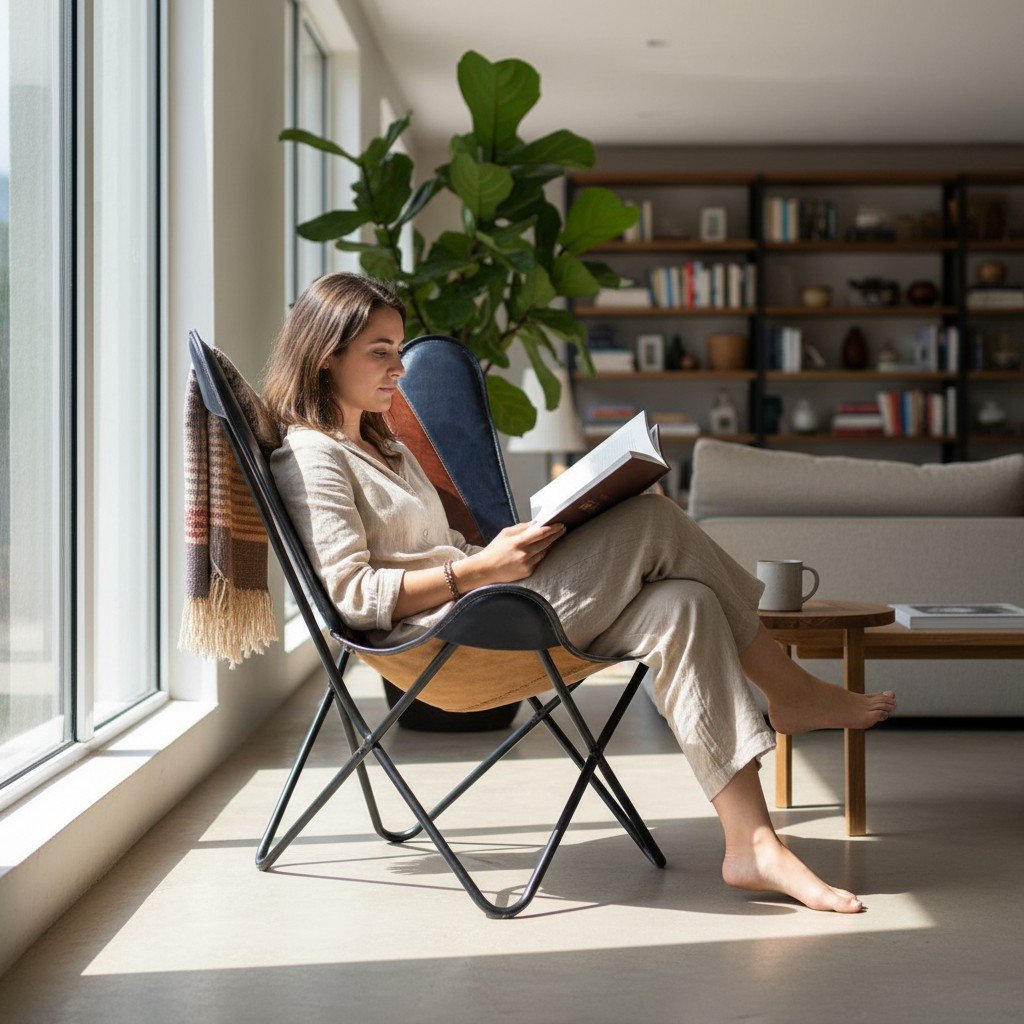
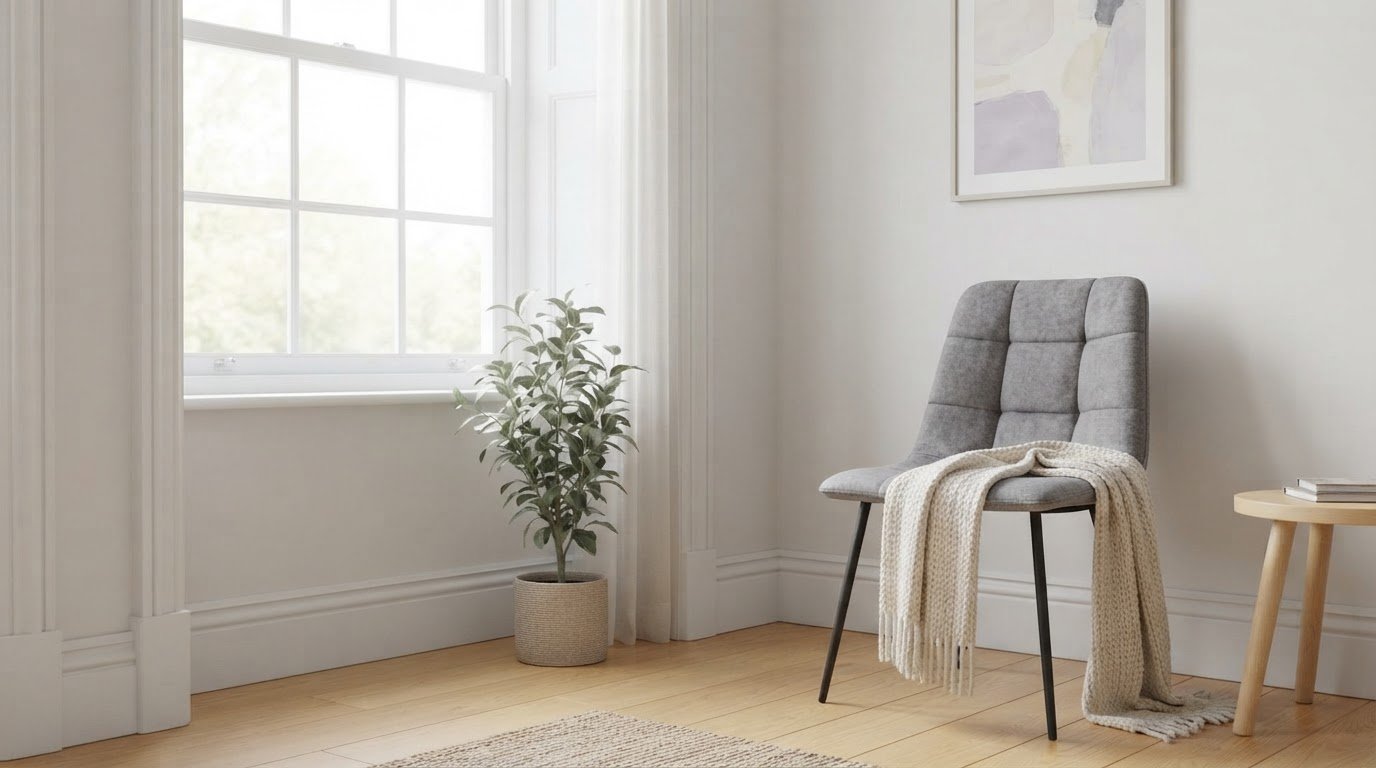
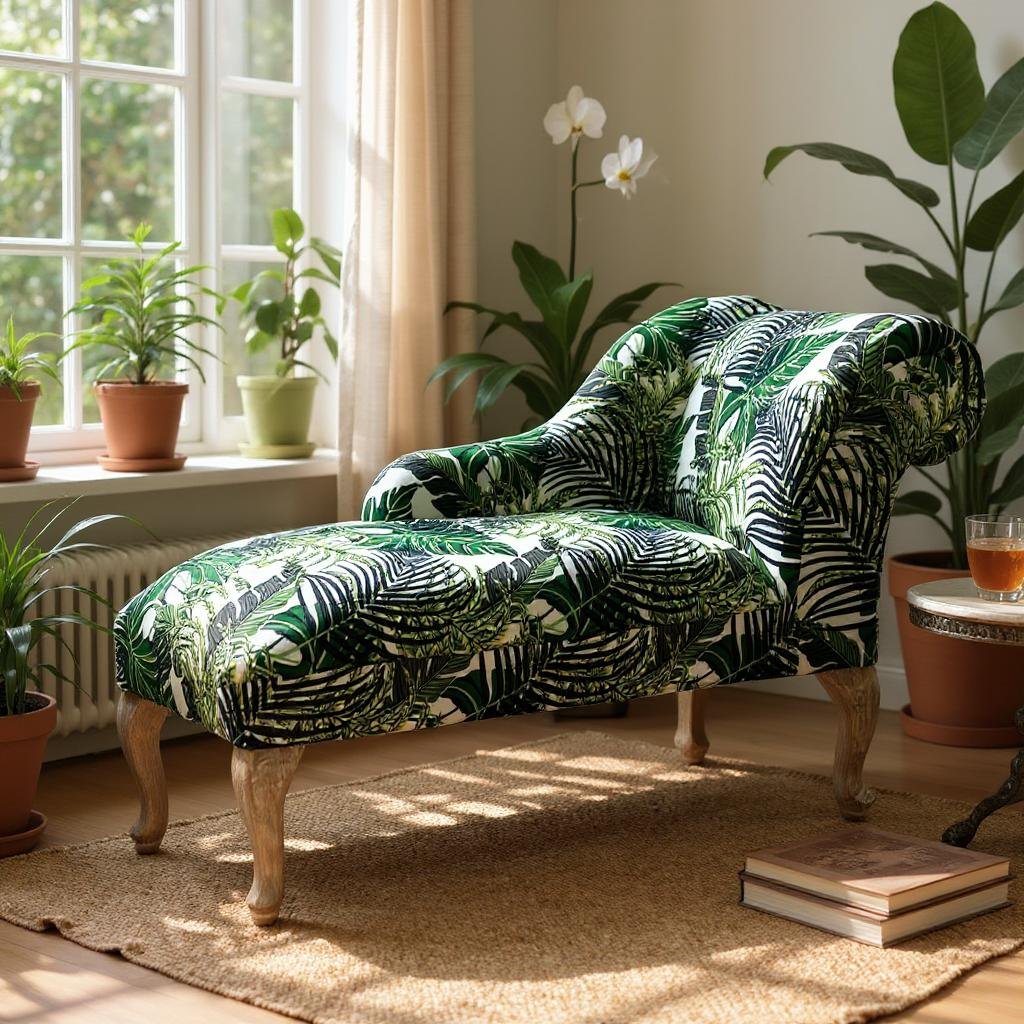
Acacia Home offers Occasional Chairs, Dining Chairs, Footstools, Chaise Longues and Window Seats for considered seating throughout the home. After choosing outdoor details, carry the same thoughtful approach into a reading corner, dining space or window seat. An occasional chair creates a welcoming place to pause, while a footstool adds a complementary accent. Explore chaise longues for relaxed lounging and dining chairs for shared meals.
Browse these seating options when you’re refreshing an indoor room alongside your garden, or looking for a comfortable finishing touch at home. To explore the collection, visit Acacia Home online.
Make your next outdoor update personal
Let the garden evolve with the way you use it. A thoughtful change to one corner can inspire the next, helping your outdoor space feel more like an extension of home. As seasons shift and favourite plants change, choose garden accessories that still feel right alongside the details you already love.
That same attention to atmosphere can continue indoors, where a welcoming seat creates a natural pause between home and garden. Acacia Home offers considered furniture choices, including occasional chairs, dining chairs and footstools, to help shape those moments of comfort.
Ready to explore a fresh direction for your home? Contact Acacia Home to explore options, and take the next step towards a space that feels distinctly yours.
Frequently Asked Questions
What are the best garden lighting and solar lighting options?
The best choice depends on whether you want to illuminate an activity or create atmosphere. For outdoor dining, place a lantern or another gentle light near the table; for a focal point, use a solar ornament to draw attention to a feature such as a sculpture or planter. Solar lighting suits spots that receive daylight and do not need a nearby power connection. Choose a consistent finish to tie different lights together.
Which garden accessories are essential for a small garden or patio?
For a small garden or patio, choose compact accents and use brackets or hanging basket supports to make use of vertical space. Keep paths clear and match finishes to nearby materials.
How much do garden accessories cost in the UK?
Where can I buy garden accessories in the UK?
Acacia Home’s garden and outdoors collection includes garden accessories.
Comments