
Best Chair to Put in a Bay Window: 2026 Buying and Styling Guide
What if the brightest architectural feature in your home is being quietly compromised by the wrong furniture? Finding the perfect chair to put in a bay window is rarely as simple as moving a standard armchair into the recess. Between measuring awkward diagonal angles, allowing radiator clearances, and navigating low sills, it's completely natural to worry about crowding the room, obstructing the view, or watching beloved upholstery fade beneath direct sunlight.
You shouldn't have to compromise between open sightlines and welcoming, daily comfort. In this 2026 guide, you will discover how to choose an occasional chair that complements your architectural space, preserves radiant natural light, and elevates your everyday living. From proportion rules that prevent visual clutter to durable, sunlight-resilient fabrics and timeless timber finishes, we will show you how to turn your window alcove into an inviting sanctuary for morning tea or peaceful evening reading.
Table of Contents
Why the Bay Window Nook Demands a Thoughtful Chair Choice
A classic bay window is one of the most charming architectural features in British housing, projecting outward from an exterior wall to form an elegant alcove bathed in daylight. As detailed in the architectural history of the traditional bay window, these deliberate extensions were engineered to pull panoramic scenery and expansive daylight straight into the heart of the home. Left empty, the space feels underutilised; filled thoughtlessly, it quickly becomes an awkward dead end cluttered with mismatched storage.
Selecting the right chair to put in bay window nooks turns this structural cavity into an intentional sanctuary. The secret lies in balancing comfortable lounging depth with proportional restraint. A well-chosen piece frames your view rather than competing with it, creating an effortless transition between the room and the garden beyond.
Preserving Natural Daylight and Window Sightlines
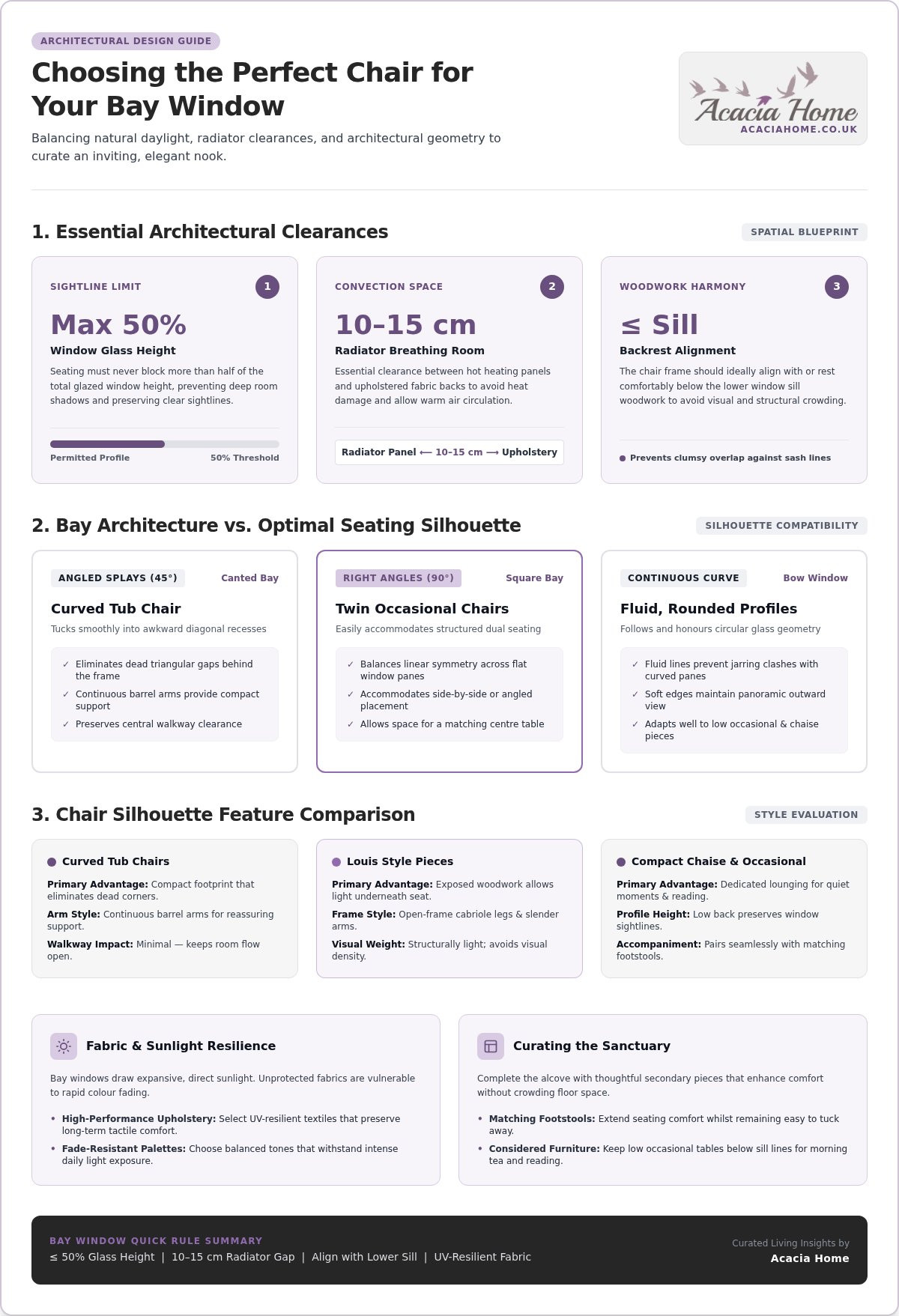
Daylight is the greatest asset of any window alcove. As a practical design guideline, furniture placed within a bay should never block more than half the total height of the window glass. High, winged armchairs may offer cushioned cocooning elsewhere, but in an alcove, their bulky silhouettes cast deep shadows across the room and sever your visual connection to the outside world. Choosing low-profile occasional seating preserves clear sightlines, allowing gentle morning and afternoon light to spill unobstructed across your floorboards.
Navigating Bay Architecture: Radiators, Sills, and Angles
Unlike standard flat walls, bay windows present specific structural challenges that dictate furniture placement. In most UK homes, central heating radiators sit directly beneath the main sills, demanding thoughtful planning before you position any upholstery:
Radiator clearances: Always leave at least 10 to 15 centimetres of breathing room between hot radiator panels and upholstered fabric backs to prevent heat damage and maintain essential room convection.
Sill heights: Compare the chair's overall back height against your window sills; the frame should ideally align with or rest comfortably below the lower woodwork.
Bay geometry: Classic splayed canted bays (angled side panes) favour compact curved silhouettes, clean square bays easily accommodate twin occasional chairs, while circular bow windows require fluid, rounded profiles that honour the curvature of the glazing.
When you account for these architectural quirks upfront, curating an inviting seat from an exquisite collection of indoor furniture feels natural, rewarding, and effortlessly stylish.
The Best Chair Styles for a Bay Window: Silhouette Comparison
Every bay shape interacts differently with furniture contours. Choosing the most suitable chair to put in bay window corners depends heavily on your daily routine, whether you crave a peaceful perch for morning coffee or an inviting spot to curl up with a classic novel. Exploring thoughtful seating solutions across curated indoor furniture collections reveals three distinct silhouettes that balance beauty, floor space, and posture support.
Curved Tub Chairs: Seamless Harmony for Angular Splays
Angular splayed bays create awkward 45-degree junctions that clash with square, boxy armchairs. Curved tub chairs solve this instantly. Their rounded backrests tuck gently into angled corners without leaving dead triangular gaps behind the frame. With continuous, supportive barrel arms and a remarkably compact footprint, a tub chair allows you to build a dedicated cozy reading nook without pinching primary walkways through the room.
Classic Occasional Chairs and Elegant Louis Style Pieces
If you prefer an airy aesthetic, occasional chairs with exposed woodwork offer distinct advantages. Hand-finished Louis style chairs bring classical French craftsmanship into the recess while remaining structurally light. Their open-frame cabriole legs and slender arm supports permit sunlight to flow underneath the seat, preventing the alcove from feeling visually dense. For deeper design insights on incorporating these timeless profiles, our detailed guides provide practical advice on silhouette curation:
French refinement: Review our guide to choosing French elegance to appreciate how decorative woodwork complements heritage sashes.
Modern versatility: Explore how contemporary occasional chairs introduce tailored character without dominating ambient room decor.
Compact Chaise Longues and Window Benches
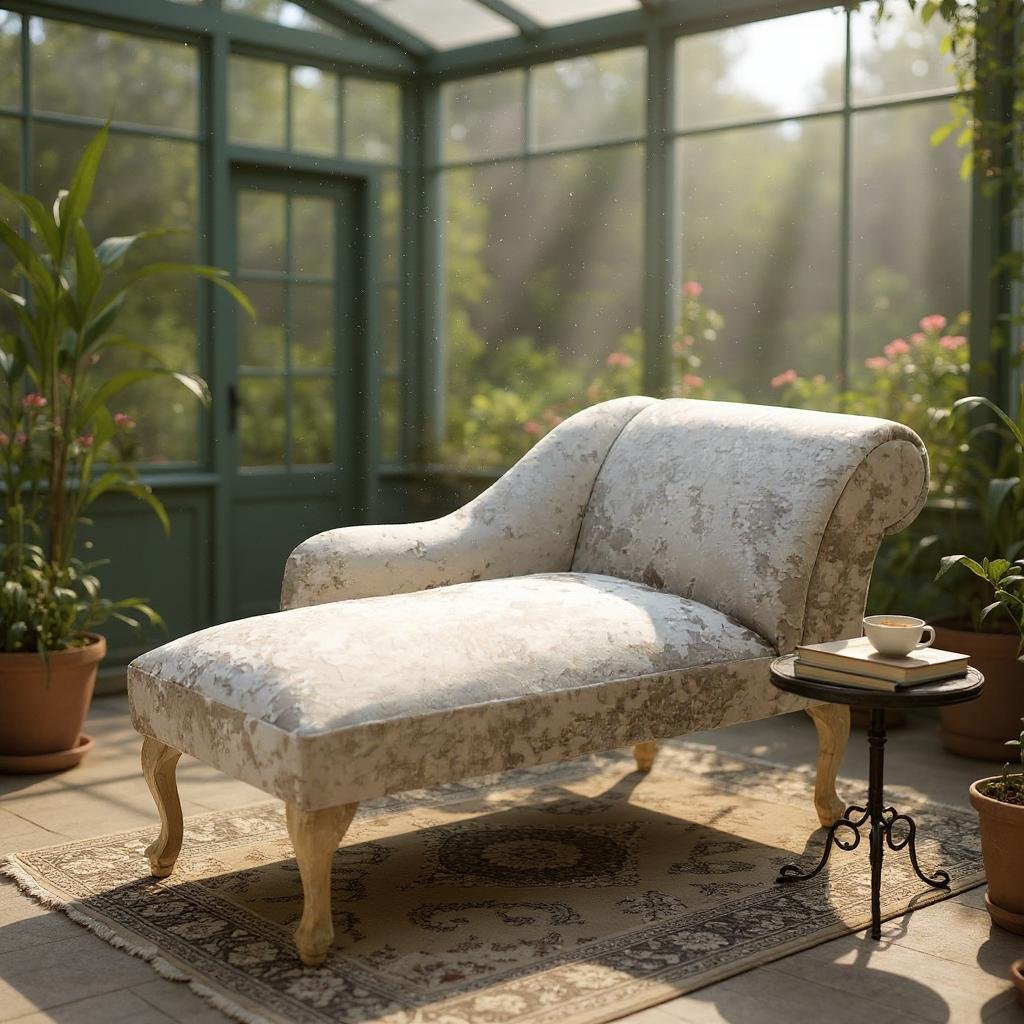
Deep, square bay recesses often leave single armchairs looking isolated. In these generous spaces, a compact chaise longue or dedicated window bench offers the ultimate lounging experience. Instead of perching upright, you can fully stretch out with your favourite novel while gazing out across the garden. Keeping the backrest low ensures panoramic daylight remains unhindered, creating a restful retreat that feels both purposeful and indulgent.
When selecting your ideal seat, consider pairing an occasional chair with a matching footstool from Acacia Home to enjoy multi-functional lounging comfort whenever the mood strikes.
How to Measure Your Bay Window Before Choosing Seating
Bringing new furniture into an alcove requires more precision than simply placing a seat against a flat wall. Because bay architecture projects outward, calculating both the floor footprint and the vertical sightlines prevents spatial missteps. Taking ten minutes with a metal tape measure ensures your chosen chair to put in bay window recesses settles gracefully into place without feeling cramped.
Step-by-Step Blueprint for Accurate Bay Measurements
To capture the true geometry of your alcove, follow this four-step measurement sequence before browsing any seating collections:
Measure the front opening and central depth: Pull your tape measure across the front threshold where the bay meets the main room, then measure straight into the deepest centre point of the sill.
Map each individual wall splay: Measure the length of every angled facet separately. Angled splays are rarely identical in older period properties.
Check vertical sill and sash heights: Record the exact distance from the finished floor to the underside of the window sill. Your chair's backrest should ideally sit below this line to protect natural daylight.
Account for architectural protrusions: Deduct five to eight centimetres for skirting boards, radiator valves, and protruding window crank handles.
Once you have these figures, outline the prospective dimensions on your floorboards using low-tack painter's masking tape. Stepping back allows you to test the physical footprint and assess the total visual volume before committing to a delivery.
Allowing for Window Dressings and Walkway Clearances
A well-proportioned nook needs breathing space around both window treatments and surrounding living furniture. Preserve a generous 10-centimetre clearance buffer behind the chair frame. This buffer prevents delicate upholstery from rubbing against window glass and stops heavy floor-length curtains from crushing awkwardly behind the seat.
If your bay features timber plantation shutters or pull-down roller blinds, check that shutter leaves swing open freely without clipping chair arms. Finally, maintain at least 60 centimetres of open walkway between the front edge of the seat and nearby coffee tables or sofas. This generous gap guarantees comfortable daily movement through the room while keeping your dedicated reading haven open and restful.
Fabric, Colour, and Sunlight Considerations for Bay Windows
Positioning seating directly inside a glazed alcove exposes upholstery to relentless ultraviolet rays and fluctuating glass temperatures. Standard fabrics that hold up well in shaded living room corners often fade quickly when placed before expansive bay panes. Finding the right chair to put in bay window nooks means balancing visual warmth with durable, sunlight-resilient textiles that look beautiful through every season.
Sunlight Resilience and Textile Longevity
Not all weaves tolerate unfiltered afternoon daylight equally. Solution-dyed textiles and tightly woven polyester blends resist UV degradation far better than delicate, unblended natural fibres. For regular daily reading, check that your seating carries a Martindale rub count of at least 20,000 to 30,000 cycles to withstand consistent friction alongside light exposure.
Textured bouclé and flat weaves: Tightly woven bouclés and resilient blends hide minor yarn fading while offering tactile, year-round cosiness.
Velvets and fine linens: If you love the luxurious sheen of velvet, select treated blends rather than pure cotton, as unblended cellulose fibres weaken and fade under harsh sunlight.
Preventative care: Installing discreet, semi-sheer linen voiles softens peak ultraviolet intensity, while rotating reversible cushions every month ensures balanced wear and sun exposure.
Choosing Colours for North-Facing vs South-Facing Bays
Natural exposure transforms how colours read in your home. North-facing alcoves receive indirect, cool-toned daylight throughout the day. To counteract chilly undertones, introduce welcoming warmth through earthy terracotta, soft ochre, sand, or blush upholstery. These radiant shades make the alcove feel instantly snug, even during overcast winter mornings.
South-facing bays present the opposite challenge. They drink in hours of intense, brilliant sunlight that can bleach high-contrast dark dyes unevenly. Ground the brilliance with soft sage greens, gentle mushroom neutrals, or muted slate blues. Subtle flecked weaves and tone-on-tone textures are particularly forgiving, effortlessly disguising minor sun-softening across years of quiet afternoon use.
Ready to introduce resilient style to your window recess? Explore our hand-curated indoor furniture collection to discover durable occasional chairs designed for everyday British living.
Curating the Perfect Bay Window Reading Nook with Acacia Home
Transforming an empty recess into a personal retreat requires more than finding a single seat. While choosing the right chair to put in bay window nooks establishes the structural focal point, the surrounding accents turn that seat into a warm, lived-in sanctuary. By layering companion furniture and warm ambient lighting, you cultivate a functional haven tailored for quiet contemplation. The family-curated pieces from the Acacia Home collection bring timeless British charm and durable craftsmanship directly into these cherished alcoves.
Pairing Chairs with Footstools and Side Tables
Lounging comfort relies heavily on adaptable companion accents. Pairing an occasional chair or a compact tub armchair with a complementary footstool instantly transforms upright reading into full-body relaxation. Footstools provide versatile support without permanently crowding central floor space, allowing you to slide them aside whenever you need to open low sash windows or dust sill ledges.
Slender side tables: Incorporate a petite timber or metal drinks table beside the chair's outer arm to hold a steaming mug of tea, reading glasses, and your current hardcover within arm's reach.
Multi-functional ottomans: Use compact upholstered footstools that double as temporary perches when welcoming visiting family and friends into the lounge.
Illuminating the Nook for Cosy Evening Lounging
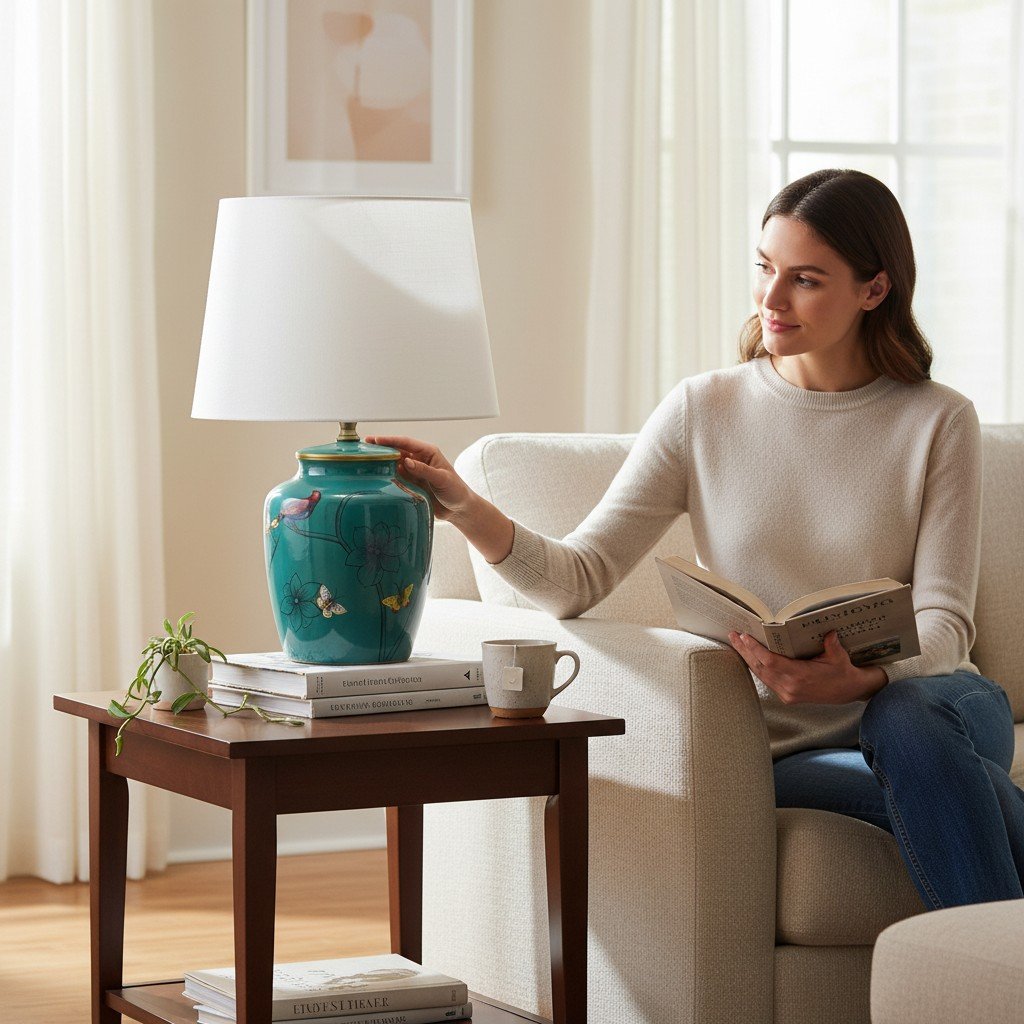
As natural afternoon daylight fades across the window panes, thoughtful ambient lighting ensures your bay nook remains just as enticing after dusk. Introduce warm, layered glows using ceramic, glass, or concrete table lamps from the Acacia Home lighting range. Positioning a shaded lamp at shoulder height casts a soft downward beam across reading pages without throwing harsh glare onto dark window glass.
Drape a tactile wool throw or plush woven blanket casually over one arm to soften straight timber frame lines and foster comforting seasonal warmth. Discover proportion-perfect occasional chairs, graceful Louis style seating, and complementary accents by exploring the Acacia Home indoor furniture range to create a light-filled haven you will look forward to returning to every day.
Transforming Your Bay Window into an Everyday Sanctuary
An architectural alcove should never be treated as wasted square footage or an awkward styling challenge. By respecting radiator clearances, preserving uninterrupted sightlines, and pairing low backrests with sun-resilient textiles, choosing the ideal chair to put in bay window recesses becomes an inspiring design journey. Whether you settle on the gentle curve of a compact tub chair or the light-filtering woodwork of an occasional seat, thoughtful proportions ensure your living space stays luminous, open, and effortlessly balanced.
As a family-owned British home retailer, Acacia Home takes genuine pride in curating furniture that balances timeless character with the rhythm of modern domestic living. Our seating range brings together solid timber frame craftsmanship and tactile, durable fabrics designed to flourish in naturally bright rooms. Take the next step in completing your haven and explore Acacia Home's curated collection of occasional chairs today. Your new favourite sunlit retreat is waiting.
Frequently Asked Questions
What is the best type of chair to put in a bay window?
The best chair to put in bay window alcoves depends on your bay's geometry, but curved tub chairs and low-profile occasional chairs remain the most versatile choices. Tub chairs curve neatly into angled 45-degree splays without wasting floor space, while open-frame occasional chairs allow daylight to filter underneath. If you have a particularly deep, square recess, a compact chaise longue offers wonderful lounging comfort without overwhelming room pathways.
How do I stop my bay window chair from blocking natural daylight?
You can preserve incoming daylight by choosing a low-profile chair silhouette that rests level with or just below your window sills. A reliable design rule is to ensure the backrest covers no more than half the lower window pane. Exposed timber legs and open arm designs also let ambient light pass cleanly beneath the frame, preventing the dense, heavy shadows that chunky wingback chairs often cast across the room.
Can I place an upholstered occasional chair directly in front of a radiator?
You shouldn't place an upholstered chair directly against an active radiator. Leaving at least 10 to 15 centimetres of open space behind the backrest is essential for healthy air convection across the room. Trapping excessive heat against furniture dries out timber joinery, weakens backing adhesives, and accelerates textile wear. Maintaining this small clearance gap protects your seating investment whilst keeping your central heating running efficiently throughout chilly winter months.
Will direct sunlight through my bay window fade my chair fabric?
Prolonged ultraviolet exposure through expansive window panes will naturally fade unshielded upholstery over time, especially pure cottons and linens. To combat sun-bleaching, choose durable polyester blends, solution-dyed fabrics, or textured bouclés that resist ultraviolet breakdown. Installing lightweight linen voiles diffuses direct solar rays during peak afternoon hours. Rotating loose seat cushions every month also promotes even exposure and extends the vibrant lifespan of your upholstery colour.
Should I place one statement chair or a pair of chairs in a bay window?
Bay width and shape dictate whether a single seat or a pair works best. Angled canted bays and curved bows generally favour a single, well-proportioned accent chair angled inward to create a peaceful reading corner. In contrast, wide square bays often have ample width to stage a symmetrical pair of occasional chairs facing into the room, creating an elegant conversational zone that makes fantastic use of available floor space.
What is the ideal backrest height for a chair placed in a bay?
The ideal backrest height typically sits between 75 and 85 centimetres from the floor, though your specific sill height is the deciding factor. The back of the chair should ideally align with the sill line or sit slightly beneath it. Keeping the upper profile compact guarantees that your eye travels uninterrupted across outdoor views, avoiding tall, imposing silhouettes that crowd the window frame.
Can I use an ottoman or footstool alongside my bay window chair?
A footstool is an ideal companion piece for any chair to put in bay window spaces, unlocking full-stretch comfort without the permanent footprint of a bulky recliner. Compact ottomans or lightweight footstools let you rest your feet during long reading sessions, yet slide neatly aside when you need to access window latches. They also serve as handy occasional perches when entertaining family in the living room.
Comments