
Indoor Window Seat Ideas: Creating the Perfect Reading Nook in 2026
Updated: Oct 13
What if the perfect indoor window seat didn’t need to be built in at all? A thoughtfully chosen freestanding chaise longue or window seat can turn an awkward corner into a welcoming reading nook, without committing to structural work.
If you’re unsure how to use a tricky-shaped room, or worried that a seat will feel out of place beside your existing furniture, start by considering its size, shape and position. Direct sunlight can also make fabric choice feel daunting. The right proportions, tactile materials and thoughtful placement can help you create a comfortable nook that feels at home with your décor.
In this guide, you’ll find practical ways to plan a window-side retreat, from choosing freestanding seating to styling colour, texture, cushions and window treatments. We’ll also cover how to manage bright light and reduce prolonged sun exposure on upholstery.
Table of Contents
The Allure of the Indoor Window Seat: Creating Your Personal Sanctuary
A window can offer more than a view. Add a comfortable seat nearby and an overlooked corner becomes a place to read, pause or watch the light change through the day. An indoor window seat needn’t be built into the architecture: a freestanding piece of furniture can give a room a quieter, more personal purpose. Window seating has a long history in interior design; The Allure of the Indoor Window Seat traces how it has featured in homes over time.
Seating is not only about filling an empty spot or providing an extra chair. A well-chosen piece can become a destination within the room, somewhere you’re drawn to spend time. Its appeal often comes down to three elements: light, comfort and view. Natural light gives the room a changing quality, a cushioned seat makes it easier to linger, and the scene beyond the glass adds interest through the seasons.
Why a Window Seat Matters in Modern Interior Design
Occasional furniture can define a zone without dividing a room. Place a chaise longue or window seat near a window and you create a distinct reading or resting area within a larger living space, without adding a wall or making the layout feel rigid. It also creates a visual connection with the outdoors, bringing the changing weather and greenery into view while you sit inside.
Think about the view as part of the experience. A nook facing a garden might suit a quiet morning with a book, while a bright outlook can help a small corner feel open. Position the seat where you can enjoy the light without blocking a natural route through the room.
Freestanding vs. Built-in: The Case for Flexibility
Built-in joinery can make use of a particular alcove, but it is a permanent choice shaped by the room’s dimensions. A freestanding window seat offers a flexible alternative. You can adjust its position, refresh the surrounding décor or rearrange the room as your needs change, without altering the architecture.
That flexibility can be useful if you move home, too. A chaise longue or window seat can come with you, provided it suits the new space. Acacia Home’s range includes chaise longues and window seats, giving you freestanding options to consider alongside built-in seating. Before choosing, check the dimensions and compare them with the space you have available.
Choosing Your Silhouette: From Chaise Longues to Elegant Benches
The right silhouette depends on more than the view. Consider how you’ll use the space, the height of the window and how much glass you want to keep clear. A low seat can feel discreet beneath a broad pane, while a shaped backrest adds presence and support. Measure the available width and depth, then check that the seat won’t obstruct the window or make the room feel crowded.
A chaise longue creates a more relaxed alternative to a standard bench. Its elongated form gives you room to recline, so it can suit a nook where you plan to read or unwind for longer.
The Classic Window Seat Bench
A low-profile bench works well beneath a low window or deep sill, where a taller back might interrupt the view. Armless designs keep the outline open and leave more of the outlook unobstructed. Compare the bench’s length with the window frame so it feels connected to the window without stretching awkwardly beyond it. Leave enough room around the seat to walk past comfortably.
The Sophisticated Chaise Longue
For a reading nook made for lingering, a small chaise longue offers a reclined shape that suits a more relaxed posture than a straight bench. Its asymmetrical form can also give a quiet corner a focal point. Check its overall footprint against the room, not just the window, so the seat feels inviting rather than imposing. Explore indoor furniture for seating ideas that bring comfort and character to your home.
Louis Style Chairs for Smaller Vistas
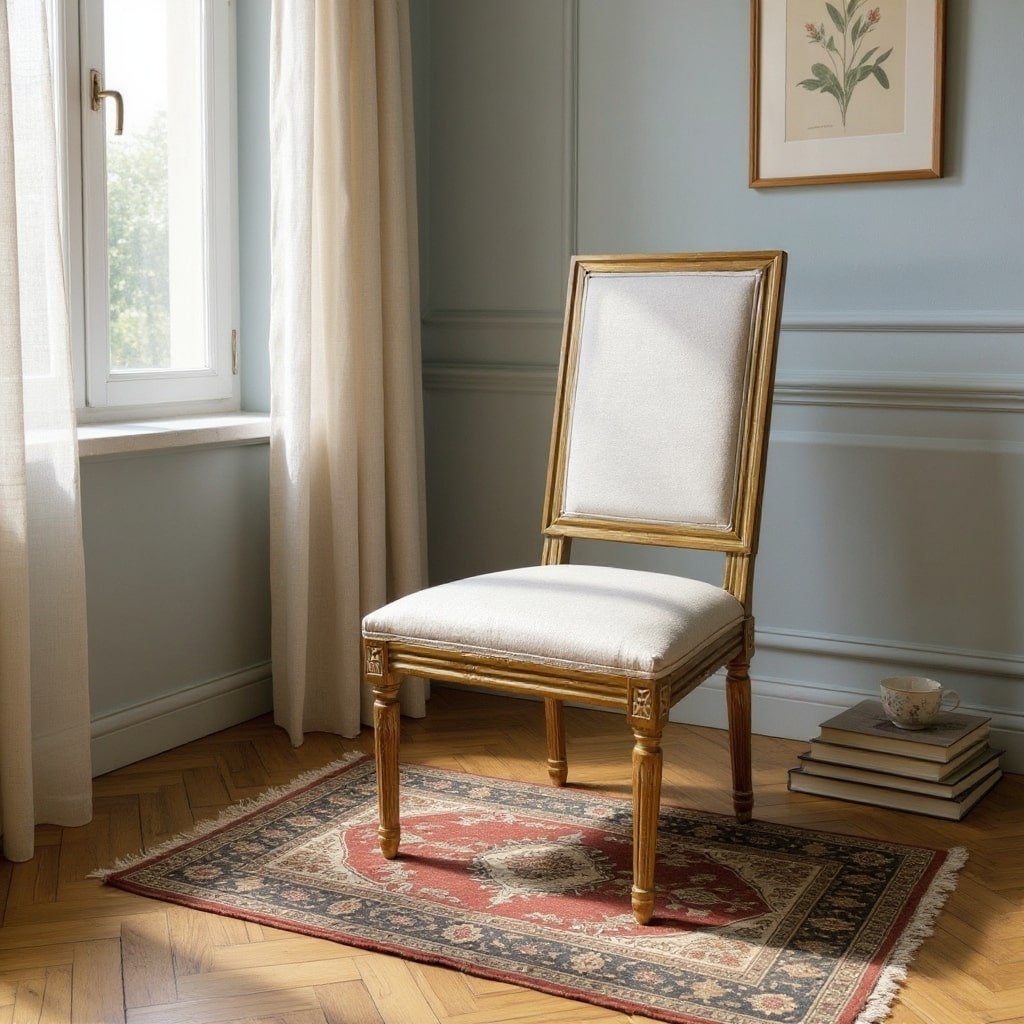
Where a window is narrow or tucked into a cosy corner, a Louis style chair can add elegance without taking up the length of a bench or chaise longue. Its carved wood details bring French-inspired character to a simple area. If there is enough space, place a pair with a small table between them to create a spot for conversation or a cup of tea.
Think of height and backrest as part of the view, not just details of the furniture. A low, open silhouette preserves more glass, while a higher, more sculptural seat makes a stronger design statement. For a flexible finishing touch, browse Acacia Home’s seating selection and compare shapes that could suit your window and existing décor.
Matching Your Seating to Your Window Architecture
The shape of the window is a useful starting point when choosing an indoor window seat. Look at the available width, depth and height, then consider how the furniture will relate to the glass and the rest of the room. A piece that is too large can crowd the window; one that is too small may look disconnected from it.
Measure the usable floor area, including the space needed to walk past the seat and open the window or curtains. Leave room for curtains to fall freely, and check that the seat will not prevent you from reaching window handles. Before choosing a piece, mark its footprint on the floor with masking tape. This helps you judge the scale and circulation in the actual room.
The Classic Bay Window
A bay’s angles can make a single straight bench feel disconnected from the architecture. Consider curved seating or separate pieces arranged to follow the contour, with a central bench acting as a visual anchor. In a Victorian-style bay, measure each section of the floor individually and note where the walls meet. These measurements help you identify awkward gaps and choose seating that feels composed rather than squeezed into the corners.
Picture Windows and Floor-to-Ceiling Glass
With a broad picture window or a wall of glass, keep the view in the foreground. Low-slung seating preserves more of the outlook, while a pair of matching chairs or footstools can frame it with a sense of symmetry. A footstool can also offer a flexible perch that is easy to reposition. Explore indoor furniture for seating ideas suited to a considered living space.
Cosy Dormers and Recessed Nooks
Dormer windows often have sloping ceilings and compact recesses, so choose a seat that fits the usable area without blocking light or restricting movement. Measure the narrowest point as well as the widest, especially if the ceiling slopes down over the seating area. Pale upholstery can help a small nook feel open, while tactile fabrics and cushions add warmth against the sharper lines of the architecture.
Each window calls for a different balance: follow a bay’s shape, keep a picture window visually open, and make a dormer inviting without overfilling it. Browse Acacia Home’s indoor furniture and consider which silhouette best complements your home.
The Art of Styling: Fabrics, Textures, and Finishing Touches
Upholstery shapes both the look and feel of an indoor window seat. Before choosing a colour, consider how the fabric feels, how it sits beside your existing furnishings and how daylight changes its appearance throughout the day. A matte weave can give a nook a soft, understated quality, while velvet reflects light differently and can make a colour appear richer.
Choosing Fabrics for High-Light Areas
Direct sun can gradually fade upholstery, so don’t rely on the fabric type alone when judging its suitability. Check the manufacturer’s care and lightfastness information, and consider curtains or blinds to reduce exposure during the brightest hours. Linen blends offer a relaxed, tactile finish; velvet brings a more sumptuous feel. Neither is automatically fade-proof. For a calm scheme, take colour cues from the view outside with soft greens, warm neutrals or gentle earth tones. If possible, check a fabric sample in the nook at different times of day before deciding.
Layering Cushions and Throws
For a window bench, try a simple rule of three: place a larger cushion at each end and a smaller accent cushion between them. Adjust the arrangement to suit the bench, leaving enough clear space to sit comfortably. A throw adds a welcoming layer for cooler evenings and can introduce a pattern or accent colour without committing to a large upholstered piece.
Build depth by mixing textures rather than crowding the seat with matching accessories. Pair a smooth cushion with a more textured weave, or layer a patterned cover against a plain fabric. Repeating a colour from elsewhere in the room helps the nook feel connected, while whimsical accents and novelty cushions from lifestyle shops like cozyfox.com.au can lend an inviting touch of personality.
Lighting and Accessories for Evening Use
As daylight fades, a floor lamp beside the seat can make reading easier and give the corner a gentle evening glow. Position it so it illuminates your book without dominating the window or obstructing the space. A small side table keeps tea, reading glasses and a favourite book close at hand; a compact design can be useful where floor space is limited.
Finish with details you’ll use. Tactile upholstery, a few cushions and practical lighting can make the nook feel personal by day and inviting after sunset. To explore seating that could anchor your scheme, browse Acacia Home’s indoor furniture.
Discovering the Acacia Home Collection: Timeless Seating for Every View
A well-chosen seat should feel at home in your room, not simply placed beside a window. Acacia Home offers a selection of chaise longues, window seats and occasional chairs, alongside other seating for the home. These freestanding options can help you create a restful corner without committing to permanent joinery.
Think about the mood and function you want. A chaise longue gives you room to recline, while a window seat offers a more composed perch for taking in the view. Look closely at shape, upholstery and finish, and consider how each will sit alongside the colours and textures already in your home. The right indoor window seat is not only a place to sit; it helps give a corner its own identity.
Expertly Curated Window Seats and Chaise Longues
Acacia Home’s range includes chaise longues and window seats in different forms. A chaise longue may suit a nook where you’d like to recline and read, while a window seat can provide a focal point beneath the glass. Upholstery adds an important sensory detail to either choice. Consider how the texture feels and how the colour works with the natural light. For a sunny position, check the fabric’s care guidance and think about ways to limit prolonged direct exposure.
Occasional chairs offer another option, particularly beside a narrow window or in a corner where a longer seat won’t fit. They can also be moved elsewhere in the room if you later refresh the layout. For more ideas on using them throughout your home, explore this guide to occasional chairs.
A Commitment to Quality and Service
Acacia Home is a family-owned business with trade links to manufacturers in Asia, India and the Far East. When comparing seats, use the information provided with each piece to check its dimensions, upholstery and finish. These practical details can help you decide whether a particular design suits your room and how you plan to use it.
Your home can be shaped by thoughtful choices, from the seat’s silhouette to the feel of its fabric. Explore Acacia Home’s seating and indoor furniture online to find a piece that brings character and a welcoming place to pause to your window.
Make Your Window a Place to Pause
A welcoming reading nook begins with a seat that suits your window, room and routine. Whether you choose a chaise longue, a simple bench or an occasional chair, careful sizing and placement help the furniture feel at home. Thoughtful upholstery, layered cushions and well-positioned lighting can then bring warmth and comfort to the space.
The most inviting indoor window seat doesn’t have to be built in. A freestanding piece gives you flexibility if your room or home changes, while creating a dedicated spot to enjoy the view and natural light. Choose a shape and fabric that complement your décor, then use practical details to make the nook your own.
Acacia Home offers a range of chaise longues and window seats as part of its wider selection of home furniture. Explore our collection of window seats and chaise longues to find a piece that suits your home. Make the most of your favourite window with a comfortable place to read, pause or enjoy the view.
Frequently Asked Questions
Can I put a window seat in a room without a built-in sill?
Yes, a built-in sill isn’t necessary to create a window-side nook. Choose a freestanding bench, chaise longue or occasional chair that fits the available floor space and leaves the window usable. Check the seat’s height against the sill and make sure it doesn’t obstruct curtains, handles or your usual route through the room. A freestanding piece is also easier to reposition if you change the layout or move home.
What is the best fabric for a seat that will be in direct sunlight?
No fabric is completely immune to fading, so check the manufacturer’s information about lightfastness and care before choosing upholstery. Linen blends offer a relaxed feel and velvet a richer finish, but don’t assume either will resist sunlight without product-specific guidance. Reduce prolonged exposure with suitable window coverings, and consider rotating removable cushions so the same areas aren’t always facing the sun.
How much space should I leave between the window seat and the glass?
There isn’t one clearance that suits every window. Leave enough room for curtains or blinds to move freely, for the window to open if needed, and for you to clean the area. The gap will depend on the window fittings and the shape of the seat. Before buying, check the furniture dimensions and mark its footprint in position. This helps you spot a cramped arrangement before committing to it.
Are chaise longues comfortable enough for daily use as a reading nook?
A chaise longue can work as a daily reading spot, particularly if you enjoy reclining rather than sitting upright. Comfort depends on the shape, support and upholstery, so consider how you prefer to read and check the piece’s dimensions before choosing. Make sure there’s room to stretch out without blocking a walkway. A nearby side table can keep a book, reading glasses or a cup of tea within reach.
How do I choose the right size seat for a bay window?
Measure each section of the bay, including the angles where the walls meet, as well as the available depth and floor space. Then compare those measurements with the seat’s full dimensions. A central bench can anchor the arrangement, while curved or separate pieces may follow the bay’s shape more closely. Leave room to move around the furniture and avoid forcing a seat into the corners if it makes the area feel crowded.
Do I need a professional interior designer to style my window seat?
No, you can style a window seat yourself by starting with practical choices: how you’ll use it, what fits the space and how the colours relate to your room. Add cushions and a throw for comfort, then consider a lamp or small table if useful. If your plans involve structural changes or electrical work, seek appropriate professional help for those tasks. Acacia Home sells seating, but does not offer interior design consultations.
What is the difference between a window seat and a hallway bench?
A window seat is arranged to make use of the light and outlook beside a window, often as a place to read or pause. A hallway bench is generally chosen for a passage or entrance, where people can sit briefly or set down belongings. The terms can overlap: a freestanding bench may work in either setting if its size and style suit the space. Consider its purpose, proportions and comfort before deciding where it belongs.
Can a window seat also provide storage for books or blankets?
Some window seats are designed with built-in storage, but don’t assume every bench or chaise longue offers it. Check the product description for drawers, a lift-up seat or other stated storage features before buying. If your chosen seat has no storage, a nearby basket or small bookcase may keep blankets and reading materials organised without affecting its comfort. Keep the window area accessible, and avoid placing items where they’ll obstruct opening or cleaning.
Comments