
Hallway Seating Ideas UK: Thoughtful Solutions for Narrow Halls
What if the most useful hallway seat is one that barely registers until you need it? In a narrow entrance, every centimetre matters, and furniture that interrupts the route can quickly feel like one thing too many. The best hallway seating ideas uk start with the space you have and what you need the seat to do.
Before choosing between a bench, chair or smaller perch, check how the furniture will affect the route through your hall. Keeping roughly 900mm of clear passage is a useful planning guide, but also account for the front door’s swing and the space needed to reach stairs or coat storage. This article compares seating shapes, explains how to test a layout and offers ways to keep the entrance feeling open. A footstool or ottoman can provide a compact place to perch, while an occasional chair can create a more comfortable seating spot where there’s room.
Table of Contents
Hallway seating ideas for narrow halls: start with space and purpose
A welcoming hall can offer somewhere to pause, put down a bag or sit to fasten shoes without turning the entrance into an obstacle course. The most successful hallway seating ideas uk start with two practical questions: how much space is usable, and what should the seat do? A piece that makes the front door awkward to open or narrows the usual route may be less inviting in everyday use.
Plan the route before settling on a shape. A clear route is what lets hallway seating feel like a thoughtful welcome, rather than an obstruction. Around 900mm of clear passage is a useful planning guide, but also consider how people move around open doors, stairs and everyday belongings. Measure from the seat’s front edge, not just from the wall.
Comfort and character can go hand in hand. The wider history of furniture offers a perspective on how furniture combines function and visual expression. In your hallway, start by deciding what the seat needs to do.
What will the hallway seat need to do?
Will someone sit down to remove shoes, take a brief perch while waiting, or will the seat mainly add a decorative accent? Think about who uses the hall and how often: a busy family entrance has different needs from a quieter space. If bags and coats already take up room, a footstool or ottoman may work better for a brief perch than a larger chair.
Decide on the main purpose first. That makes it easier to choose a suitable shape rather than choosing by appearance alone.
Measure the usable space before choosing a shape
Measure the proposed footprint, then account for the front door’s full swing, stairs, radiators and existing furniture. Check the route people actually take through the hall, including the space needed to enter, turn and reach coat storage. A seat may fit beside a wall on paper but feel intrusive once the door is open or people are passing.
Mark the intended footprint on the floor with removable tape and walk through as usual. Try opening the door, reaching for coats and passing the seat with a bag in hand. This gives you a better sense of its proportions and effect on movement than a product image alone.
Seven hallway seating ideas for a narrow hallway
The right option depends on whether you want a proper place to sit or simply a small pause in the flow of the day. These seven ideas range from a comfortable chair to a discreet perch, each suited to a different kind of entrance. As you consider hallway seating ideas uk homeowners can adapt to their homes, keep the doorway and main route usable. GOV.UK’s UK building regulations offer guidance on fire safety and escape routes.
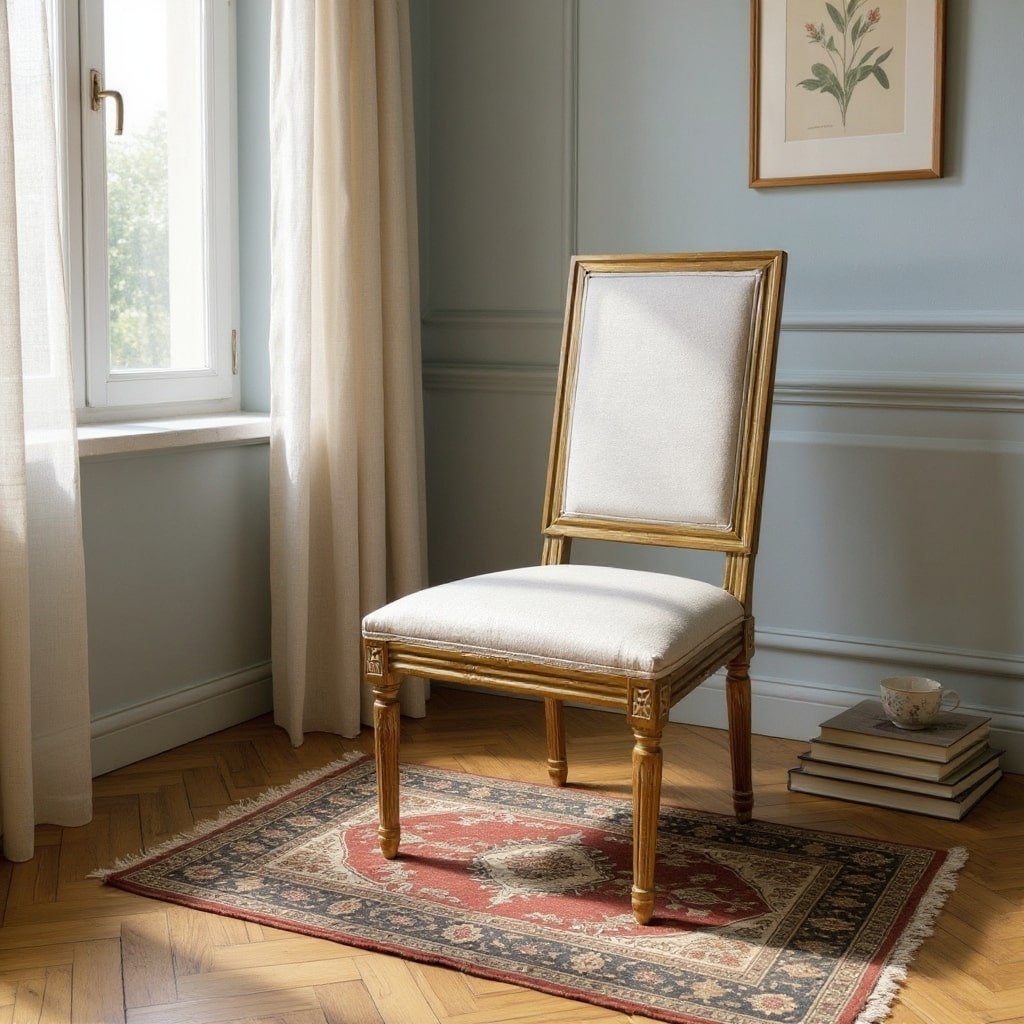
A slim occasional chair. Where the hall has room, an occasional chair creates a comfortable spot to pause and adds a welcoming touch. Place it against a wall or in a wider part of the entrance, away from the main route. Browse occasional chairs and indoor furniture for ideas.
A compact tub chair. Its softly curved shape can make a short wait more comfortable. The rounded profile still takes up space around the seat, so it tends to suit a roomy corner better than a tight passage.
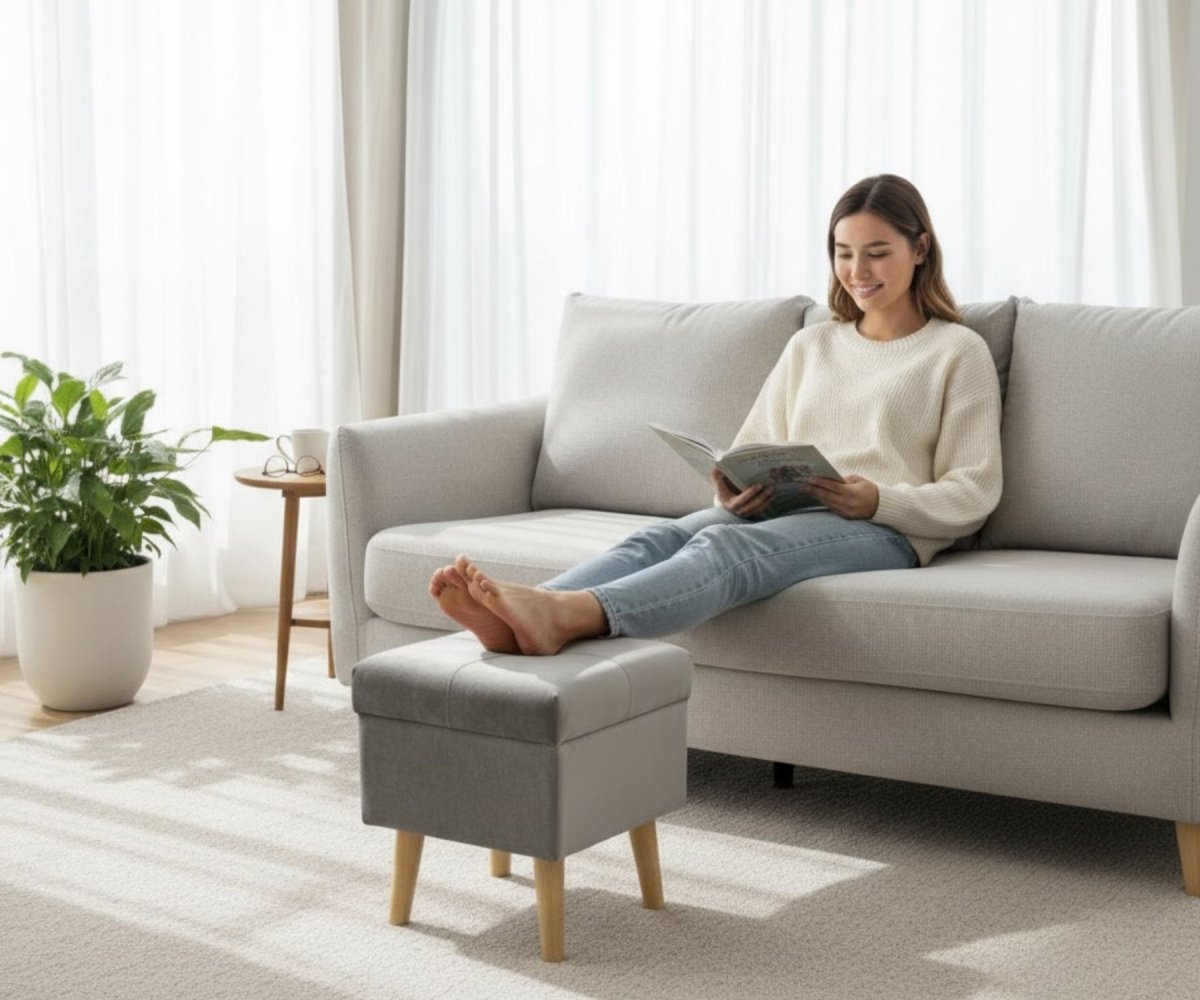
A small upholstered footstool. Use one as a brief perch for fastening shoes or as a soft accent beside a wall. It sits lower than a chair and can look less prominent, but offers less support for a longer sit.
A narrow perch. A simple, shallow seat can provide a quick place to pause in a particularly slender hall. Keep it clear of door swings and check that people can pass comfortably.
A window seat in an existing nook. If your hall already has a suitable recess or feature window, a window seat can make that area feel purposeful. This idea works with an existing feature, rather than requiring a new fitted structure.
A chair beneath wall hooks. Pair a suitably sized occasional chair with hooks above it to create a useful arrival point. Leave room for coats and bags to hang without brushing the seat or spilling into the walkway.
A seat beside a console. In a wider entrance, a small seat near a console can create a layered arrangement. Keep the pieces close enough to feel connected, but avoid combining them into a bulky block across the hall.
Choose an idea that fits both your available space and your routine. A chair creates a more settled seating spot; a footstool offers a lighter, flexible perch. Either way, the arrangement should feel like part of the welcome, not an obstacle to getting through the door.
Which hallway seat works best? Compare shape, comfort and footprint
The right seat supports your routine without making the hall feel crowded. Use this comparison as a starting point: suitability depends on the furniture’s measurements and your layout, including the room needed to move around it.
Occasional chair or tub chair: which feels less imposing?
An occasional chair with an open silhouette may feel lighter in a narrow hall, particularly if it has a less enclosed shape. A tub chair offers a softer, more enveloping look, but its curved sides can occupy more visual space. Arms and seat depth matter too: compare the full product measurements with the space you’ve measured, rather than judging by a photograph.
As you refine hallway seating ideas uk for your home, remember that circulation is part of comfort: a more generous seat may mean less room to pass, so choose the most comfortable option that still lets the hallway breathe.
Footstool, ottoman or window seat: what suits your routine?
A footstool is a flexible perch that can be moved aside, although it won’t support a longer sit as well as a chair. An ottoman may add another useful function, but its footprint still needs to work in the hall. Browse Acacia Home’s indoor furniture range for footstools and ottomans as you consider multi-functional seating. A window seat makes most sense where a suitable nook already exists.
Compare each option’s overall width and depth with the space available, then consider how doors, nearby furniture and everyday movement affect the arrangement. The best fit feels comfortable in use and leaves the entrance easy to move through.
How to arrange hallway seating without blocking the way
A seat can make an entrance feel more welcoming, but its position matters as much as its style. Use this five-step check to see how it works with the everyday movement in your home before settling on an arrangement.
Measure the available area. Note the width and depth of the proposed spot, then compare these with the seat’s full dimensions, including arms or a curved back that may extend beyond its main body.
Map the obstacles and route. Mark how the front door opens and where people walk most often. Include stair access, radiators, coat hooks and the places where shoes, bags or parcels tend to collect.
Choose the seat’s purpose. Decide whether it’s for changing shoes, a quick pause or a more comfortable sit. This helps you judge whether a chair, footstool or another compact option will suit your routine.
Test the placement. Use removable tape or paper to outline the seat’s footprint on the floor. Walk through with the door open, carry bags past it and use the stairs as usual. If the outline catches your eye or interrupts the route, try another position.
Edit the arrangement. Remove or relocate anything that competes for the same space. A seat and a pile of shoes may both be useful, but together they can make a narrow entrance feel crowded.
Map the route, doors and everyday drop-off points
Pay attention to how your household actually moves, not just to the empty floor plan. A chair beside the front door may look neatly tucked away but become awkward when the door swings open or someone stops to hang up a coat. Trialling the position first helps you spot these pinch points and adjust the layout.
Use colour, lighting and accessories to create balance
If the hall feels enclosed, keep the overall look visually light. Choose finishes and fabrics that sit comfortably with the walls, and avoid surrounding a small seat with too many decorative objects. A well-placed mirror can reflect light and create a greater sense of openness. Thoughtful lighting also helps the entrance feel warm and considered, especially where daylight is limited.
Once the furniture layout feels settled, explore lighting for the home for ideas on a finishing touch.
Bring your hallway seating idea together with Acacia Home
A considered entrance starts with the way you live. Decide whether you need a brief perch, a more comfortable place to sit or a seat that makes use of an existing window nook. Measure the footprint and make sure your chosen position leaves the route through the hall clear. This space-first approach helps turn hallway seating ideas uk into choices that feel welcoming and practical.
Choose a seating style that feels at home
An occasional chair can create an elegant pause in a suitably sized entrance, while a footstool or ottoman may suit a quick perch where a full chair would feel too imposing. A window seat is another possibility for a home with a suitable existing nook. Compare the furniture’s dimensions, shape and upholstery with your interior, and picture how it will sit alongside the hall’s existing colours and finishes.
Explore Acacia Home’s indoor furniture selection for occasional seating and other furniture ideas.
Take the next step from inspiration to browsing
Match the seat to its purpose: a footstool offers a flexible place to perch, an occasional chair gives more support for sitting, and a window seat can make a feature of an existing nook. Before choosing, compare the furniture’s measurements with your marked-out floor space and consider how people move through the entrance during a typical day.
With the practical checks in place, focus on the details that make the hall feel like yours, from the chair’s silhouette to the way its upholstery complements the room beyond. Browse Acacia Home’s seating and furniture to find a style that fits your hallway plan.
Make space for a more welcoming entrance
The most successful hallway seating ideas uk start with your everyday routine: decide whether you need a quick perch or a comfortable place to sit, measure the space, then make sure the arrangement leaves a clear route through the hall. Comparing the footprint and shape of chairs, footstools and window seats helps you find an option that feels considered without overwhelming the entrance.
Once you know what could work in your home, explore Acacia Home’s indoor furniture selection, including occasional chairs, footstools, ottomans and window seats. Browse the indoor furniture selection for ideas, and compare each piece’s style and dimensions with your available space before choosing.
A thoughtful seat can make even a narrow hall feel more personal and inviting. Browse Acacia Home’s seating and furniture to find a piece that suits your space and routine.
Frequently Asked Questions
What is the best seating for a narrow hallway?
The best seating suits your available space and how you’ll use it. A footstool can work for a quick perch, while an occasional chair offers more support if the hall has room. Consider shape and depth as well as style: a curved tub chair may feel more substantial than an open chair. The most practical hallway seating ideas uk balance comfort with an easy route through the entrance.
Can you put a chair in a narrow hallway?
Yes, a chair can work in a narrow hallway if it doesn’t obstruct the doorway or the route people use to pass through. Measure its full footprint, including arms and curved sections, then consider whether it can sit against a wall or in a wider part of the hall. A slim occasional chair may feel less imposing than a deep, enclosed shape, but the measurements and layout matter more than the label.
How do I make a narrow hallway feel less cluttered with seating?
Keep the arrangement simple and give the seat one clear purpose. Avoid crowding it with extra furniture or leaving shoes and bags around its base. Choose a shape that feels in proportion to the hall, and use a temporary floor outline to test how much room it occupies. A mirror or carefully placed lighting can help the entrance feel brighter and more considered, while keeping the floor and main route clear.
Is a footstool a good idea for a hallway?
A footstool can work well if you need a compact perch for putting on shoes or pausing briefly. It’s easy to move aside when the entrance is busy, and its lower profile may feel less dominant than a chair. However, it offers less support for a longer sit. Check the footprint in your chosen position, especially if shoes, coats or bags already gather nearby.
What should I measure before buying hallway seating?
Measure the available width and depth where you hope to place the seat, then compare them with the furniture’s full dimensions. Include any arms, rounded sides or backs that extend beyond the main seat. Check the front door’s swing, stair access, radiators and nearby furniture, and leave room for the route people use most. A paper or tape outline on the floor can help you picture the footprint before choosing.
How can I add seating to a hallway without blocking the front door?
First, note how far the front door opens and where people stand as they enter or leave. Test a seat position outside the door’s swing, then walk through the hall with the door open and check that the route still feels comfortable. A footstool may suit a tighter spot than a chair, while an occasional chair can work in a wider area. Keep coat hooks and drop-off points in mind so everyday items don’t crowd the entrance.
Comments