
Expert Tips for Furniture That Makes a Room Look Bigger
Choosing smaller furniture isn’t always the best way to make a compact room feel spacious. The right furniture to make a room look bigger is proportioned to the space, leaves some floor visible and allows natural light to travel through the room.
When a room feels crowded, it’s tempting to focus on smaller pieces. But a sofa that’s too small can make the layout feel unbalanced, while bulky shapes or blocked windows can make the room seem tighter. Thoughtful proportions bring the space together without sacrificing comfort.
Make the most of daylight, choose a sofa that suits your layout and select furniture that feels open rather than overwhelming. These practical ideas can help create a brighter, more spacious-feeling room that remains welcoming and personal.
Table of Contents
1. Maximising natural light
Start with the window. Daylight can make a living room feel brighter and more open, but bulky furniture can interrupt its path. Move tall pieces away from the glass and arrange seating so it doesn’t cast a heavy shadow across the room. Sheer curtains, light blinds or shutters that pull back easily keep more of the window clear. Hanging curtains wider than the window lets more glass show when they’re drawn aside.
Wall colour can support that natural brightness. Light neutrals help a room feel more spacious, while a consistent pale shade across adjoining walls can soften visual boundaries. One recommendation is to choose a light colour with a light reflectance value (LRV) of 65 or higher. If a room faces a shaded view or receives limited daylight, test how the colour looks in that specific light before decorating. A shade that feels crisp beside a sunny window may look quite different in a dim corner.
A large mirror can reflect daylight and create a sense of depth. In a small living room, place one opposite a window so the reflected light travels further into the space. Check the view before fixing it in place: an uncluttered scene or bright part of the room adds visual calm, while a dark corner may simply be repeated. A glass or acrylic table can also feel less noticeable than a solid one, leaving more of the room in view.
Natural light works best when the layout supports it. Keep the main route through the room clear, and avoid placing a chair or table directly in front of a window. Where possible, leave 30-36 inches of clear walkway so people can move through without squeezing between furniture. There isn’t one fixed gap that suits every wall and room; preserve a comfortable route first, then position furniture to suit the available floor space.
When daylight fades, layer warm artificial lighting rather than relying on one bright ceiling fitting. For a small room, a warm colour temperature of around 2700-3000 K can create a welcoming glow. Place a floor lamp beside a reading chair, add a table lamp to a darker corner, or use wall lights to lift illumination without filling the floor with extra furniture. In the UK, look for space-saving pieces through furniture retailers, using product dimensions to judge how they’ll fit. Costs vary with the piece, materials and construction, so compare those details against your budget.
2. Should I use large or small furniture in a small room?
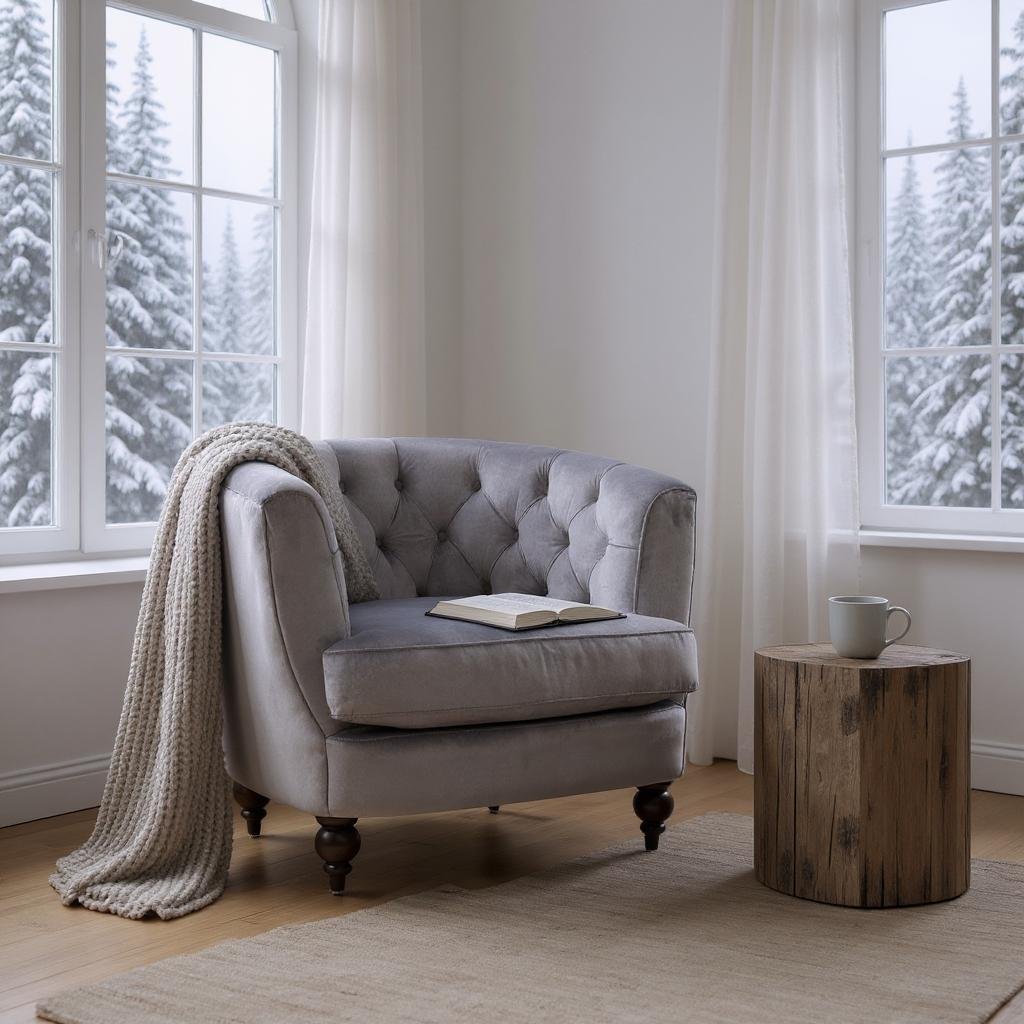
Neither the largest nor the smallest furniture is automatically right for a compact room. Consider each piece’s footprint, height and visual weight, then leave clear sightlines between items. A chair with slim arms and visible legs can feel less imposing than a wide, boxy design. Its open base reveals more floor, creating a sense of space without losing a useful seat. Compare a solid, skirted chair with a lighter frame, and choose what suits your layout. Low-profile furniture can also leave more visual space between the furniture and ceiling.
Raised legs can make a practical difference to a room’s visual balance. A sofa or armchair that stands clear of the floor lets the eye travel beneath it instead of meeting a solid block. That uninterrupted view can make the floor seem more expansive. Look for an exposed frame with enough clearance to see the flooring; tapered legs or a narrow metal base can create this effect. Keep other large pieces similarly light rather than pairing one open chair with several bulky items.
What furniture makes a small room look bigger? Pieces with a modest footprint, slim arms and open or raised bases reveal more floor. A neutral upholstered chair with visible legs can blend into its surroundings, while a narrow side table keeps the seating area useful without adding a heavy visual block. The aim isn’t to make everything tiny. Choose furniture that serves its purpose while preserving clear views across the room.
Lower furniture can make a room feel more open by leaving more space above it. A low sofa, for example, may draw the eye across the room, while a tall, bulky back can interrupt the view. Balance matters: if every piece sits very low, the room may feel unanchored. Pair a lower seat with a slim-legged occasional table, and position taller details around the edges rather than crowding the centre. This gives the ceiling and main floor area room to register.
What furniture mistakes make a room look smaller? Too many pieces, bulky solid bases and oversized arms can crowd the floor and interrupt sightlines. Tiny furniture can also look lost when grouped together, making the layout feel cluttered. Choose fewer pieces that suit the room’s proportions, and favour visually open shapes. An occasional furniture piece can add function without requiring a matching set. Explore Acacia Home’s occasional furniture range as you consider what your layout needs.
3. What are some expert tips to make a room look bigger?
Choosing furniture to make a room look bigger is only part of the visual plan; reflective surfaces can also change how a room feels. A mirror can suggest more depth when it reflects an open doorway, a bright window or an uncluttered view. Before hanging one, stand where you usually enter or sit and notice what it will reflect. Repeating a crowded shelf in the mirror can make the space feel busier, not larger.
Consider a mirror’s shape and position as part of the room’s composition. A tall design can draw the eye upwards, while a wider mirror can echo the horizontal lines of a low sideboard. Keep its frame in proportion with nearby furniture so it feels connected rather than isolated. If you are looking for illuminated or wall-hung designs to enhance light in tighter spaces, collections from retailers such as VanityBathroomWorld show how reflective glass can add depth. A single well-placed mirror often gives the eye a calmer focal point than a cluster of smaller reflective pieces.
Glass and glossy finishes can create a lighter visual effect, but use them selectively. A glass-topped table keeps more floor visible, while a lacquered surface can catch light from a nearby lamp. Combine reflective materials with matte fabrics or natural textures, such as a woven cushion, to avoid a room that feels cold or overly shiny. Aim for gentle variation, not reflections on every surface.
Furniture placement matters just as much. Arrange the main seating so it doesn’t block the view from the doorway, and leave the central area open where possible. For example, place a chair beside the sofa at a slight angle rather than directly across the route into the room. This gives the eye a longer path through the space and makes movement feel more natural.
Vertical storage can keep everyday objects organised without taking up more floor area. A slim shelf above a desk or a narrow bookcase beside a doorway uses wall height while keeping the centre of the room free. Display just a few considered items, such as books and a small plant, and leave other shelves clear. This keeps storage useful without turning the wall into a dense display.
Choosing furniture to make a room look bigger also means considering what to leave out. Choose storage that suits the items it needs to hold, and avoid adding extra units for things used only occasionally. A tall piece can draw the eye upwards, but several together may make the wall feel heavy. Let one practical storage feature lead, and keep nearby surfaces simple for a more spacious effect.
4. Choosing a sofa sized for the room
A sofa should suit the room’s proportions, not simply be the smallest option available. An example from a living-room layout illustrates why: an 84-inch sofa felt better balanced than a 72-inch alternative. The smaller sofa would have freed up 12 inches, but that extra space would not necessarily have improved the overall arrangement. A sofa that looks undersized can leave the other furniture feeling disconnected.
Consider the sofa’s full footprint, including its depth and the space needed to move around it. A standard-depth sofa may suit a tight room better than an extra-deep model, especially if it faces a wall or sits near a doorway. Mark its intended position on the floor, then check the route between the entrance, window and other seating. Keep natural light and clear access in mind before settling on a position.
Smaller-scale furniture can complement a larger sofa without crowding the layout. For example, pair a well-proportioned sofa with one occasional chair and a compact side table rather than filling every corner with matching pieces. In a narrow living room, a loveseat with two chairs can offer flexible seating while keeping the arrangement visually lighter. Choose chairs that can be angled or moved aside when you want to open up the space.
A sofa bed can be useful in a room that doubles as a guest space, but plan for its full footprint when extended. Consider where the bed will open and whether it will block a doorway, cupboard or route through the room. A layout that works with the sofa closed may feel cramped once it’s extended, so account for both positions before placing nearby tables or chairs.
A well-sized rug helps connect the seating instead of making each piece appear separate. In a compact living room, choose one large enough for the front legs of the sofa and chairs to rest on it. This creates a shared visual area and gives the furniture a deliberate arrangement. A rug that’s too small can make a larger sofa seem more dominant, while one that supports the seating group helps balance its scale.
Artwork can provide another counterpoint. One larger piece above the sofa often looks more composed than several small frames scattered across the wall. Align its centre with the seating area, not necessarily the whole wall, and leave enough space around it for the sofa to remain the focal point. Well-scaled seating, a grounding rug and considered artwork help the room feel unified without making every piece smaller.
5. Selecting appropriately scaled furniture
Choosing furniture to make a room look bigger starts with looking beyond a piece’s width. Its height, shape and visual weight all affect how it sits within the room. Measure the available floor area, then note doors, windows and fixed features before choosing furniture. A slim console, for example, can provide a useful surface without projecting far into a narrow entrance. Make every piece feel considered rather than simply filling the available floor.
Compare furniture heights across the room. A low cabinet beneath a window can keep the view open, while a taller piece may work better against an uninterrupted wall. Mixing heights creates balance, but clustering several tall items can make one area feel dense. Consider where the eye travels from the doorway, then use furniture to guide that view through the room rather than stopping it abruptly.
Shape matters, too. A round occasional table can be easier to navigate around than a rectangular table with corners in a tight passage. A narrow console may suit a hallway where a deeper cabinet would obstruct movement. Choose pieces according to how people use the space, and leave room to pull out a chair or open a cupboard. A stylish arrangement should still work comfortably in everyday life.
Material and finish influence how substantial furniture appears. A dark, solid piece can feel more prominent than a lighter design with a similar footprint. That doesn’t mean you must avoid darker finishes; instead, balance one visually weighty item with simpler surroundings. For instance, pair a substantial wooden sideboard with a pared-back chair and keep the surface styling restrained. Repeating a finish elsewhere can help the piece feel connected to the room.
Before settling on a layout, mark the footprint of each proposed piece on the floor with paper or removable tape. Walk around the outlines, open nearby doors and drawers, and check whether the arrangement interrupts everyday routes. This practical test can reveal problems that measurements alone might miss. It also helps you compare a wider table with a narrower alternative without moving heavy furniture.
The most effective furniture to make a room look bigger isn’t necessarily the smallest option. A well-sized focal piece can give a room purpose, while too many undersized items may make it feel unsettled. Decide which item should lead, then choose quieter companions that support its scale and function. Leave visual breathing room around each one, and the finished space can feel cohesive, personal and easy to live in.
Acacia Home
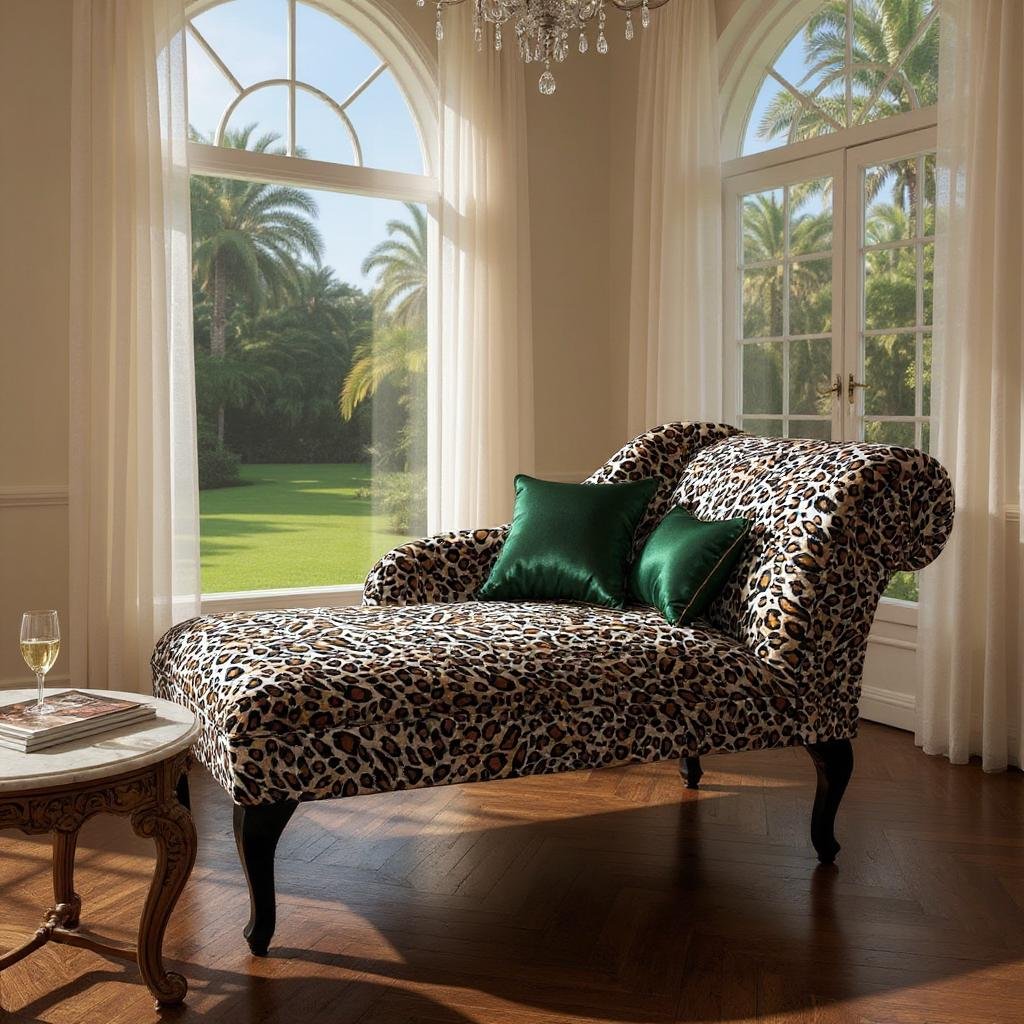
Acacia Home offers seating and occasional pieces to help you shape a room around its proportions and daily use. Occasional chairs and footstools can add flexible seating without making every corner feel occupied, while chaise longues and window seats can make considered use of an overlooked area. Dining chairs can also bring a lighter touch to a room that serves more than one purpose. Consider which pieces your layout needs and how their scale will work in the space.
If you’re considering a new piece for a compact room, contact Acacia Home to discuss your requirements.
Make space for the way you live
A room’s proportions matter, but so does the life unfolding inside it. Before choosing your next piece, consider what you want the space to make possible: a calm place to read, flexible seating for guests or a more comfortable daily routine. That purpose can guide your choice more clearly than simply trying to fit in another item. The best furniture to make a room look bigger is also furniture that earns its place in your home.
Acacia Home offers Occasional Chairs, Dining Chairs and Footstools to help you create a thoughtful, welcoming interior. Choose with the room’s layout and your personal style in mind, and let each piece contribute to how the space feels and functions.
Explore furniture at Acacia Home and take the next step towards a room that feels more like your own.
Frequently Asked Questions
What are some expert tips to make a room look bigger?
Start by choosing one visual focus, such as a favourite artwork or neatly styled shelf, and keep the surrounding area calm. In a narrow room, matching a storage unit’s colour to the wall can help it recede rather than dominate. Choose furniture for its purpose, too: a side table beside a chair may be more useful than several scattered surfaces. These small decisions make the layout feel intentional.
Can these ideas work in a rented bedroom?
Yes, you can make a rented bedroom feel more open with movable changes. Try rearranging the bed, using a freestanding mirror or choosing a bedside table that can move with you. A freestanding lamp can add light without attaching anything to the wall. Removable accessories such as bedding, cushions and framed prints let you personalise the room without permanent alterations.
Should I use large or small furniture in a small room?
Choose furniture according to the room’s proportions and what you need it to do, rather than automatically choosing the smallest option. One comfortable armchair can work better than several tiny seats that make the arrangement look scattered. Before buying, consider the piece’s footprint in relation to nearby doors, cupboards and other furniture. A compact room benefits from a clear purpose for each item, not miniature versions of everything.
What's the single most effective way to make a small bedroom look bigger?
Clear the most visually crowded area first, often the route from the bedroom door to the bed. Move laundry baskets, spare chairs or unused storage elsewhere, then reassess what the room needs. This creates a calmer first impression and makes the remaining furniture easier to appreciate. If the bed dominates the floor, simplify the bedside area rather than adding accessories; a clear surface can make the whole arrangement feel more deliberate.
Are furniture with legs better than solid-base furniture for small rooms?
Furniture with visible legs often feels airier because more of the floor remains visible beneath it. This can be useful for a chair or small table in a tight corner. Solid-base furniture can still work well if it provides valuable storage or anchors an awkward space. Consider the overall composition: one grounded cabinet may balance lighter seating, while several solid blocks can make the room feel crowded.
What are the best multifunctional furniture pieces for small rooms?
Look for pieces that serve two purposes without needing extra floor area. A footstool can provide a place to rest your feet and, with a stable tray, a temporary surface for a cup or book. Nesting tables can be separated when guests arrive and tucked together afterwards. In a bedroom, a storage bench at the foot of the bed can combine seating with a place for folded blankets.
Do glass or mirrored furniture make a room look bigger?
They can make furniture feel less visually heavy by leaving more of the surrounding room in view. A glass table beside a sofa, for instance, keeps the view across the floor more open than a bulky opaque design. A mirror works best when it reflects an appealing part of the room, such as a window or an uncluttered wall. Check the reflected view from the doorway and main seat before positioning it.
What sofa and bed sizes work best in a small room?
Choose a sofa that allows comfortable seating while leaving room for doors to open and people to move around it. Width alone doesn’t tell the whole story; depth and arm shape also affect its footprint. For a bed, consider who will use it and whether there’s practical access on the sides. Measure the intended position and account for bedside furniture, wardrobes and space to open drawers.
Comments