
How to choose an accent chair colour that suits your sofa
The safest accent chair colour isn’t always the one that matches your sofa. If you’re wondering how to choose an accent chair colour for a blue sofa, start with a calm neutral such as grey, linen or taupe, or create stronger contrast with a warm shade such as rust or ochre.
It’s natural to want the chair and sofa to feel as though they belong together, but they don’t need to match. A thoughtful contrast can bring the room to life, while repeating a colour elsewhere helps the scheme feel considered.
This guide explains how to pair an accent chair with a blue or statement sofa, choose between complementing and contrasting, and repeat your chosen colour around the room. It also looks at how pattern, texture and the colours already in your space can help you find a chair that feels at home.
Table of Contents
1. What colour accent chair goes with a blue sofa?
A blue sofa works with grey, linen or taupe upholstery for a calm, layered scheme. These neutrals let the sofa stand out without making the chair disappear. For stronger contrast, try rust or ochre beside navy, or soft coral against denim blue. The right choice depends on whether you want the chair to blend in or become a focal point.
For a neutral sofa, a bold or patterned chair can bring colour and personality into the room. Picture a cream sofa beside a chair with a leafy green pattern, or a plain grey sofa with a rust-coloured seat. Choose a pattern that includes one colour already visible in the room, such as blue from a rug or green from cushions. That shared note helps the pieces feel connected.
Fabric and texture affect how colours appear. A blue velvet chair feels richer than a blue linen chair, even when the shades are similar. A nubby weave can soften a crisp leather sofa, while smooth fabric can contrast with a heavily textured weave. Consider the sofa’s surface as well as its colour, then choose upholstery that adds a different quality without competing for attention.
Plain upholstery gives a patterned sofa room to breathe. If the blue sofa has stripes, florals or a strong geometric design, a plain chair in taupe, rust or a blue picked from the pattern can steady the scheme. Conversely, a patterned chair can enliven a plain blue sofa. Consider pattern scale: a small repeat feels quieter, while oversized leaves or checks make a clearer statement.
Are neutral or bold accent chair colours more versatile over time? Neutral shades such as grey and taupe are easier to carry through changing colour schemes. A bold chair can also remain versatile if its shade appears elsewhere in the room. For a lasting choice, use neutral chair upholstery and introduce stronger colour through cushions or a throw. If you love a vivid chair, let it lead the palette.
Lighting changes how fabric colours look. A north-facing room often has cooler daylight, which can make blue and grey appear more pronounced; warmer shades such as ochre may add visual warmth. In a brighter, south-facing room, sunlight can make colours look more vivid. View a fabric sample beside the sofa in both daylight and evening light before settling on a shade.
A useful approach to how to choose an accent chair colour is to compare three things: the sofa’s blue, the room’s existing colours and the mood you want. For example, pair a navy sofa with a patterned chair that includes a small navy detail, or choose plain taupe when the curtains and rugs already have busy designs. The chair can echo the sofa, contrast with it or balance its pattern. Aim for a clear relationship, not an exact match.
2. Choosing a chair colour to complement or contrast with a sofa
Start by deciding whether the chair should blend with the sofa or stand apart. To complement a sage-green sofa, choose a chair in muted olive, soft beige or a deeper green. For contrast, try muted terracotta or warm ochre, which brings a different temperature to the scheme. With a charcoal sofa, pale blue or blush can lift the palette, while another dark shade creates a more enveloping effect. The perfect pairing depends on the mood you want and the colours already around it.
Contrast doesn’t have to mean choosing the opposite colour. A pale sofa against a deep chair creates contrast through light and shade, while a plain sofa beside a patterned chair adds visual movement. Look at the room’s rugs, curtains and artwork before deciding: a chair can contrast with the sofa while picking up a colour from a nearby piece. That small connection makes the combination feel deliberate rather than disconnected.
Materials offer another way to distinguish the chair. Velvet beside linen contrasts through sheen and softness; leather next to woven fabric introduces a smoother surface. Keep one element in common, such as a similar undertone or shared colour, to unite the textures. For example, a warm brown leather chair can sit comfortably beside a cream sofa with warm-toned cushions.
Chair style matters, too. A clean-lined chair can give a traditional sofa a fresher edge, while a curved or classic silhouette can soften a modern, boxy sofa. Matching every line and finish may make the arrangement feel overly coordinated. Instead, repeat one detail, such as a rounded back, dark wood leg or metal accent, and let the other features differ.
What colours should you avoid when choosing an accent chair? No shade needs to be avoided in every case, but a colour can feel out of place if it clashes with the sofa’s undertone or has no connection to the room. A cool grey chair may look stark beside a warm cream sofa, for example. Compare the colours in the room before deciding.
To make a confident choice, place a fabric sample beside the sofa and assess the combination against the flooring and nearby décor. Check it in daylight and under your usual evening lighting, since both can change how undertones appear. If you want to explore different shapes and finishes for your scheme, browse indoor furniture as you refine the contrast.
3. Repeating an accent colour elsewhere in the room
Once you’ve chosen the chair colour, repeat it elsewhere to connect the scheme. In a muted living room, a rust-coloured chair could pick up rust in a cushion, artwork or rug detail. The repeat doesn’t need to be an exact match. A related tone carries the colour through without making every piece look coordinated. This link lets the chair remain a focal point while helping it belong with the other seating.
Think in different scales. Curtains or a large rug can introduce colour across a broad area; an ottoman or accent table adds a medium-sized note. Cushions, ornaments and smaller artwork provide restrained touches. A collection of five or seven vases can also bring a medium-sized dose of colour to a shelf or mantel. Choose pieces that repeat the chair’s colour or material, then leave enough quieter areas for the eye to rest.
In a subdued room, let the chair add one clear pop of colour. A soft beige scheme can gain energy from a forest-green chair, while dusty blue can lend a cooler note to warm neutral décor. Choose a shade already present in a small detail, such as a botanical print or patterned cushion. Repeating that colour elsewhere makes the chair feel intentional rather than isolated.
Pattern and scale affect how often to repeat the colour. If the chair has a large floral print, a plain cushion or small ceramic ornament in one of its colours may be enough. With a plain chair, a stronger repeat in a rug or curtains can create a more visible thread. Repeating the upholstery material, such as a woven texture on a cushion, connects the chair to the room without adding another colour.
Which accent chair colours work best in small or dark rooms? Pale neutrals, soft greens and muted blues can keep the look gentle, while a brighter shade can create a deliberate focal point. Repeat a vivid colour in a cushion or artwork rather than spreading it across every surface.
Consider how you use the room before deciding where to add colour. In a living room used for relaxing, a bright chair can define a reading corner; repeat its shade in a nearby cushion or lamp detail. In a busy family space, smaller colour accents on removable cushions may be easier to change than larger areas of décor. In an open-plan room, repeat the chair’s colour in a dining-area accessory to create a subtle link between zones.
Step back and look across the room from the main entrance. If the chair catches your eye but feels separate, add a small echo of its colour or material along the natural line of sight, perhaps on a cushion or side table. If the room already has several strong colours, repeat one subtly and keep other pieces quieter. This gives the eye a path from the chair to the rest of the space.
4. Balancing a statement sofa with an understated chair
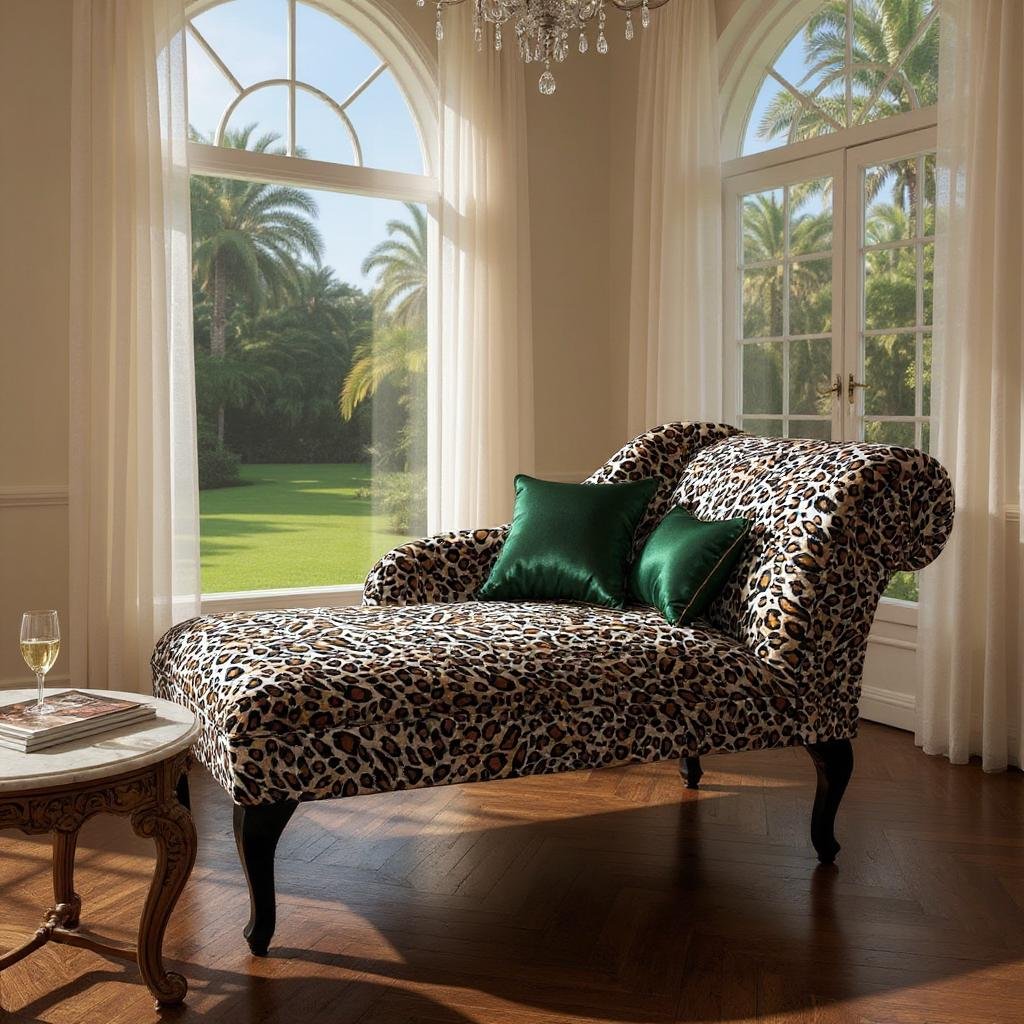
A statement sofa already draws attention through colour, shape or pattern, so let the chair offer visual breathing space. Beside a bright emerald sofa, a plain chair in soft grey, cream or muted taupe can calm the arrangement. If the sofa has a dramatic floral print, choose a chair with a simple silhouette and quiet upholstery. This contrast keeps both pieces visible without making them compete.
Look at what makes the sofa distinctive before choosing a chair. A strong colour may call for a restrained neutral; an unusual shape may work better with a chair that echoes its curves in a quieter finish. For example, pair a sculptural curved sofa with a clean-lined chair in a related tone. This creates a link through shape while leaving the sofa as the room’s main statement.
Understated doesn’t have to mean colourless. A muted blue chair can sit comfortably beside a mustard sofa, while a warm beige seat can soften a deep green one. Choose a shade that supports the sofa’s undertone rather than matching it exactly. A lighter or darker chair gives the eye a clear difference, even when both pieces belong to the same colour family.
Texture adds interest without introducing another bold pattern. Try a softly woven chair beside a smooth velvet sofa, or plain linen-look fabric against a richly textured sofa. Keep the chair’s upholstery simple if the sofa already has a prominent print, piping or tufting. If both pieces are plain, a subtle weave can give the chair depth without pulling focus from the sofa.
Consider the other furnishings, too. A patterned rug, colourful curtains and large artwork already add visual activity, so a solid-coloured chair may help settle the room. In a simpler space, a restrained stripe or small-scale pattern can add character while letting the sofa lead. The aim is a deliberate balance, not a perfectly matched set.
A footstool can help connect the two main pieces. With a blue statement sofa and cream chair, choose a footstool that repeats either colour through its upholstery. Keep its pattern quieter than the sofa’s, or choose a plain surface if the sofa and rug already have strong designs. This creates a visual bridge without adding another competing focal point.
Finally, view the arrangement from the doorway and the room’s main seating position. If your eye jumps between the sofa and chair, simplify a nearby element, such as a patterned cushion. If the sofa dominates completely, echo its colour on the chair with a cushion or throw. Interior advice also recommends including statement pieces from varied sources, so artwork, lighting and furniture can contribute without competing.
5. Choosing an accent chair colour
A practical way to decide how to choose an accent chair colour is to start with the room’s least changeable features. Note the sofa, flooring, curtains, rug and larger furniture, then identify their shared undertones. For example, a room with warm oak flooring and cream curtains may suit olive, rust or warm beige. A cool grey rug and white walls could work with slate blue or soft green.
Next, decide what role the chair should play. If it needs to settle a room with a patterned rug and colourful artwork, choose a quiet shade already present in those pieces. If the room feels muted, let the chair introduce a clearer colour, such as deep green against pale neutrals. This gives the chair a purpose rather than adding colour without a connection to the rest of the scheme.
Match the colour’s character to the interior style. A traditional room with dark wood and classic details can take deep red, forest green or a restrained floral. For a modern, minimal space, consider a plain chair in stone, charcoal or a softened primary shade. A relaxed country look might suit muted blue or sage, while a playful scheme can accommodate a brighter contrast.
Consider proportion as well as colour. A large, vivid chair can dominate a compact room, whereas a pale or muted shade may feel quieter within the same footprint. In a spacious living room, a strong colour can define a reading corner and make the chair a focal point. Interior advice also recommends including at least three statement pieces in a room, which could come from artwork, lighting or furniture.
Consider how the chair will serve the household. If it provides extra seating for guests, choose a colour that works with the room’s everyday arrangement, not just a carefully styled corner. A reading chair beside a bookcase could take a richer shade, while a chair near a busy family area might sit more comfortably within the existing palette. Its position helps determine how much attention its colour should draw.
Before deciding, describe the result you want in a few words, such as “calm and natural” or “bright and expressive”. Then compare possible chair colours with the sofa, flooring and curtains, setting aside shades that fight the mood. For “calm and natural”, sage could work with oak and cream; for “bright and expressive”, a vivid chair might suit restrained décor. The right choice supports the room’s style and gives the chair a clear role.
Acacia Home
Acacia Home brings together seating options to help you find a chair that suits your sofa and the character of your room. If you’ve settled on a colour direction, explore occasional chairs, dining chairs, footstools, chaise longues and window seats as you consider the shape and role that will work best in your space. A quiet neutral can complement a statement sofa, while a contrasting shade can bring a fresh note to a more muted scheme. For a final thought on how each piece could sit within your home, contact Acacia Home.
Make your final choice with confidence
Before deciding, picture how the chair will feel as your room changes. A colour that reflects your taste can be a starting point for future touches, from artwork to a favourite cushion. That doesn’t mean every detail needs to follow the same palette; leave room for personal finds and seasonal changes to give the space its own character.
A helpful way to approach how to choose an accent chair colour is to start with the mood you want and select a shade that supports it. Look beyond a perfect match: the chair should feel at home beside the sofa while adding something of its own. Your choice can bring a gentle sense of calm or a welcome spark of contrast.
If you’d like to explore seating options as you settle on a colour direction, contact Acacia Home. Take the next step towards a room that feels considered, welcoming and unmistakably yours.
Frequently Asked Questions
What colour accent chair goes with a blue sofa?
Choose a chair based on the blue’s undertone: a teal-blue sofa pairs well with greenish shades, while violet-blue can sit naturally beside lilac or soft pink. For a quieter effect, choose a shade close to the sofa’s depth but different in hue. Compare the chair and sofa in the same room, since nearby wall paint and wood finishes can affect how the pairing looks.
Do I need to consider the fabric?
Yes, fabric affects how a colour appears and how the chair fits into everyday life. Velvet can make a shade look deeper as its surface catches the light, while a flat weave gives colour a more even appearance. Look at a fabric sample from different angles, then compare it with the sofa. Also consider the fabric’s care guidance and whether its texture suits the room’s use.
What colour armchair should I choose?
Choose an armchair colour that works with the room’s largest existing colour areas and the atmosphere you want. In a room with warm wood and cream walls, muted green or earthy red can add character. In a cooler scheme with pale walls and grey flooring, consider blue or soft lilac. If the armchair is for a reading nook, its colour can give the corner a distinct identity.
How do I choose an accent chair colour to suit my room?
To decide how to choose an accent chair colour for your room, note the sofa, floor, curtains and largest artwork before selecting a shade. Identify the colours they share, then choose a chair that echoes one or introduces a considered difference. For example, a chair can pick up a subtle colour from a painting, visually connecting the artwork and seating without matching them exactly.
How do I match an accent chair colour to a sofa and existing furniture?
Look for a shared detail rather than matching every piece. A chair can relate to a sofa through a similar undertone, while its legs or trim pick up a finish already present on a side table. For instance, a soft green chair with dark legs can connect pale upholstery to dark wood furniture. This creates a link between pieces without requiring identical colours or materials.
Should an accent chair colour complement or contrast with the room's colour scheme?
Either approach works; choose according to the effect you want. A complementary colour keeps the scheme harmonious, such as a soft green chair in a room with green details. A contrasting colour gives the chair more presence, such as a warm shade against a cooler palette. Keep the contrast intentional by repeating a small element, such as the chair’s colour in a book cover or artwork.
How can I use the colour wheel to choose an accent chair colour?
Use the colour wheel to find related or contrasting hues. Colours beside each other, such as blue and green, create a close, blended effect. Colours opposite one another, such as blue and orange, create more noticeable contrast. Start with the sofa’s main hue, then compare a nearby or opposite colour. The exact shade and brightness determine whether the result feels gentle or bold.
Which accent chair colours are practical for homes with children or pets?
Mid-tone colours and small-scale patterns can disguise everyday marks better than very pale, plain upholstery. A charcoal chair may show light-coloured pet hair, while cream can reveal darker marks, so consider the colours found around your home. Fabric care matters, too: choose upholstery with care instructions that suit your routine. A patterned chair can make minor marks less prominent between regular cleaning.
Comments