
Ceramic lighting prices and styles for your home
Ceramic lighting doesn’t have to feel delicate or overly traditional. Paired with the right materials, it can bring warmth and character to a room. Table and wall lights come in a range of shapes and finishes, and sit comfortably alongside glass, linen, wood and metal.
When choosing a light, consider both its appearance and price. Compare the fitting type, finish and brand, then think about how it will work with the other textures in your home.
This guide explores ceramic table lamps and wall lights, from clean white finishes to more decorative designs. It explains how to pair them with glass, linen, wood and metal, and what to compare when assessing price. You’ll be better placed to choose a piece that feels at home in your space.
Table of Contents
Ceramic table lamps
A ceramic table lamp can give a side table or console a sculptural focal point. Ceramic lighting also brings colour, texture or a tactile contrast beside books and glassware. Choose the shade and base together: linen can soften a glazed base, while a plain shade lets a patterned form stand out. Beside a sofa, a lamp can create a reading corner. On a hallway console, it adds a considered detail.
To clean a ceramic lamp, switch it off, unplug it and let the bulb cool. Dust the ceramic with a soft, dry cloth, keeping moisture away from the bulb, socket and electrical fittings. Wipe the base separately from the shade, and avoid knocking the lamp against a hard surface.
Hand-built and wheel-thrown bases each have a distinct character. A hand-built lamp may show gentle irregularities, visible seams or an expressive silhouette. Wheel-thrown forms are shaped on a potter’s wheel and often have rounded profiles. Look at the base from several angles: irregular curves can feel artisanal, while a balanced outline suits a restrained scheme. Compare the surface with matt linen or polished metal.
Picture the lamp in its intended setting before choosing. Measure the table and note nearby items, such as books, a vase or an alarm clock. A broad base can dominate a narrow bedside table, while a slimmer profile leaves more room for essentials. Check that the shade’s scale complements the base, then consider where the light falls. A reading lamp should illuminate the page without overwhelming the room.
Ceramic pendant lamps bring the material overhead, where their shape can define a dining area or kitchen island. A single pendant creates a focal point above a small table; a row can give a longer surface visual rhythm. Compare the silhouette with nearby details: a rounded ceramic form can soften straight-edged cabinetry, while clear glass keeps the arrangement visually open. Explore the ceramic lighting collection for more style ideas.
A ceramic floor lamp offers another way to introduce a substantial base beside an armchair or sofa. Its height draws the eye upwards, while the base grounds the arrangement. Place it where its footprint won’t interrupt a walkway, and consider how the shade relates to nearby seating. A pale base beside a dark wooden chair creates contrast; a coloured base can echo cushions or artwork without matching them exactly.
Across table, pendant and floor styles, compare the base’s shape and finish, and how it relates to the shade. Ceramic lighting can connect with other materials in the room: linen adds softness, wood brings warmth, metal creates a crisp accent, and glass can balance a heavier form. These choices help a lamp feel connected to its surroundings rather than like an isolated decorative object.
Ceramic wall lights and wall washers
Ceramic wall fittings range from compact sconces to wall washers that direct light across a surface. Their shape, light direction and finish help determine where each style works best.
Wall lights, washers and sconces
A ceramic wall sconce adds a defined point of light beside a bed, mirror or hallway feature. A wall washer directs light along a wall, helping reveal texture and soften the room’s overall feel. Compare the fitting’s projection with the available space, especially beside a doorway or narrow passage. Check whether its light points upwards, downwards or both, as this changes the effect on nearby surfaces.
These examples show how brand, shape and finish can vary between comparable fitting types. The Dusk ceramic wall lights collection lists 54 products, offering a broad range of styles to compare.
Benefits and drawbacks
Ceramic can bring a tactile, composed look to a wall, and its finish can blend with paint or stand apart. A simple white fitting can recede visually, while an unglazed surface makes texture more prominent. The material’s weight and rigid shape also affect handling and placement. Take care during transport and installation, and consider whether a projecting fitting could be knocked in a busy walkway.
UK light fittings should meet applicable product safety requirements; ceramic alone doesn’t establish electrical safety. Choose a fitting intended for UK use and follow its safety information and installation instructions.
For safe installation, switch off the circuit at the consumer unit and make sure the wiring is safe to handle. A qualified electrician should install fixed wiring, connect the fitting correctly and secure it to the wall.
To clean a ceramic fitting, switch it off and let it cool before wiping it with a soft, dry cloth. Ceramic shades can sometimes be repaired when damage is cosmetic, but cracked or unstable parts should be replaced. Reuse intact shades where practical; broken ceramic isn’t accepted in every household recycling collection.
Before choosing a wall washer, picture its beam on the intended wall and note nearby artwork, mirrors or textured finishes. A smooth white wall gives a different effect from a dark or uneven surface. Compare ceramic wall lights by shape and finish, then choose one that complements the room without obstructing movement.
For a considered finishing touch, explore ceramic wall-light styles alongside other lighting options.
White, coloured and mixed finishes
Finish changes how a ceramic fitting feels within a room. White can sit quietly against pale walls, while colour gives a fitting greater presence. The Astro Blanco Square Single Light Recessed Ceiling Fitting in Ceramic White Finish shows a crisp, simple look. The Dar Phillipa 3 Light Ceiling Pendant in White Ceramic Finish has a more decorative silhouette. Compare each shape with wall colour, furniture and surrounding materials.
For a tactile appearance, consider unglazed ceramic or a plaster finish. These surfaces look more muted than glossy glaze, making them suited to understated schemes. The Dar Hove Large 2 Light Ceramic Wall Washer with White Plaster Finish is one example. Set a textured white fitting against smooth paint or glass for contrast without another strong colour. This can help a room feel layered rather than busy.
Glaze gives a fitting a finished surface and can add depth to its colour. Glossy glaze reflects more light than a matt surface, so highlights shift as the room’s lighting changes. This sheen can complement polished metal or glass, while a muted finish sits quietly beside linen and timber. Compare the finish with the wall colour and nearby surfaces. In a room with changing daylight, glaze may look different throughout the day.
Coloured and mixed finishes can link a fitting with existing details. The Dar Ely Single Light Blue and White Ceramic Table Lamp Base Only combines two colours in one design. It could echo blue in artwork or upholstery without requiring every accessory to match. For a balanced scheme, choose one colour from the fitting and repeat it in a small detail, such as a cushion or vase. This gives ceramic lighting a considered place in the room.
Raku-fired ceramics are known for distinctive surface variation. The firing process can create crackle patterns and uneven colour, giving each surface an expressive, less uniform appearance. That variation suits a room where the fitting can become a crafted focal point. If you prefer lights to have a consistent appearance, a uniform white glaze may be simpler to coordinate across the space.
Mixed materials can help a finish feel integrated rather than isolated. Pair glossy ceramic with clear glass for a lighter visual effect, or set matt ceramic beside natural linen for a quieter combination. Wood brings warmth to cooler white finishes; metal adds sharper contrast. Consider existing textures before adding another prominent surface, especially where furniture, flooring and accessories already have strong patterns.
Use three checks when comparing finishes: notice the surface sheen, decide whether the colour is uniform or varied, and compare it with nearby materials. A white plaster-look wall light reads differently beside polished glass than beside textured timber. These details can guide your choice, whether you want ceramic lighting to blend into the scheme or provide a more characterful accent.
Brands and product prices
Brand, fitting type and finish all shape how a ceramic light is positioned in the market. Examples include Astro, Dar, Edit and Wisteria, across wall fittings, table lamps and ceiling lights. Compare like with like: a wall washer serves a different purpose from a table-lamp base, so their prices aren’t direct equivalents.
Astro’s examples cover several wall-fitting designs. The Bologna is a two-light ceramic wall fitting, whilst the Koza is a single-light switched fitting. The Amalfi, Parma 110 and Aria are also single-light ceramic wall fittings. These product names and features help distinguish the designs; compare the fitting type and finish before considering the price shown by a retailer.
Dar’s range illustrates how one brand can span different forms and finishes. The Ely is a blue-and-white table-lamp base only, while the Axton is a large oval wall fitting. The Phillipa is a three-light ceiling pendant, and the Hove wall washers come in single- and two-light versions. Read the product description carefully: a base-only listing is not a complete lamp.
Edit and Wisteria offer further examples across distinct categories. The Edit Ealing is a single-light ceramic wall fitting in white, while the Wisteria Lille is a white ceramic box-pleat table lamp. Comparing these with Astro’s wall fittings or Dar’s table-lamp base shows why category matters. Shape, number of lights, and whether a shade or base is included all affect the comparison.
To compare prices fairly, use a short checklist:
Match the fitting: compare wall lights with wall lights, not with pendants.
Check what’s included: distinguish a complete lamp from a base-only product.
Note the finish: white, blue-and-white and unglazed surfaces are different specifications.
Compare the design: light count, shape and switching details can vary.
For instance, the Dar Hove single-light and large two-light wall washers differ in both size description and light count. Those distinctions matter more than brand alone when judging whether two listings are comparable. Likewise, the Astro Bologna’s two-light format differs from the single-light Amalfi, even though both are wall fittings.
Retail prices can change, so treat a displayed amount as a point-in-time figure rather than a permanent brand-wide rate. Check the exact product name, configuration and finish on the listing you’re considering. Comparing the model, included components and fitting type gives you a clearer basis for choosing between Astro, Dar, Edit and Wisteria.
What are the benefits and drawbacks of ceramic light fittings?
A ceramic fitting can turn practical lighting into a decorative feature. A sculptural table-lamp base adds form to a console, while a wall washer can draw attention to a textured surface. Ceramic comes in varied shapes and finishes, from smooth white glaze to tactile, unglazed surfaces. This makes ceramic lighting adaptable to rooms with different palettes and furnishings.
Visual versatility is a clear advantage. A white ceramic wall fitting can blend with a pale wall, while a coloured base can pick up a detail in artwork. Ceramic also works alongside other materials: place it beside glass for contrast, or pair it with linen and wood for a softer composition. To keep the scheme cohesive, repeat one colour or texture rather than matching every accessory.
Durability calls for a practical view. Ceramic has a firm, solid surface, but it can chip or crack if knocked or dropped. A large base may also be cumbersome to move, particularly on a narrow shelf. Before choosing a position, measure the available surface and consider nearby doors, drawers and walkways. A sheltered console may suit a substantial base better than a crowded bedside table.
Finish affects everyday appearance. A glossy glaze catches the light and gives a fitting a polished look; an unglazed surface appears more muted and textured. Dust or marks can stand out differently depending on the colour and sheen. Consider how often the fitting will be handled, especially beside a frequently used chair or on a bedside table. A higher wall position is less exposed to everyday knocks.
Installation and upkeep depend on the fitting type. A table lamp can be moved without altering a wall, whereas fixed wall and ceiling fittings require installation in place. Handle ceramic shades and bases carefully when moving or cleaning them. In a narrow passage, assess how far a wall fitting projects before choosing its position, so it doesn’t obstruct movement or sit where it may be knocked.
Choose for the setting: a stable console can suit a heavier decorative base.
Consider the finish: compare glossy glaze with matt paint and natural linen.
Plan the position: keep projecting wall fittings clear of busy routes.
Handle with care: avoid knocking ceramic edges against hard surfaces.
Material choice can also shape a room’s mood. Concrete has a solid, architectural appearance, while ceramic offers a glazed or textured surface. Using both can create contrast, but their forms and finishes should feel balanced. For example, a simple ceramic wall fitting can sit beside a more substantial concrete accent without competing for attention. Consider placement and visual weight as well as material.
As you compare finishes and forms, browse lighting styles for your home to consider which option suits your space. A thoughtful choice can make ceramic lighting feel at home in your scheme, whether it blends quietly or becomes a focal point.
Acacia Home: Occasional Chairs
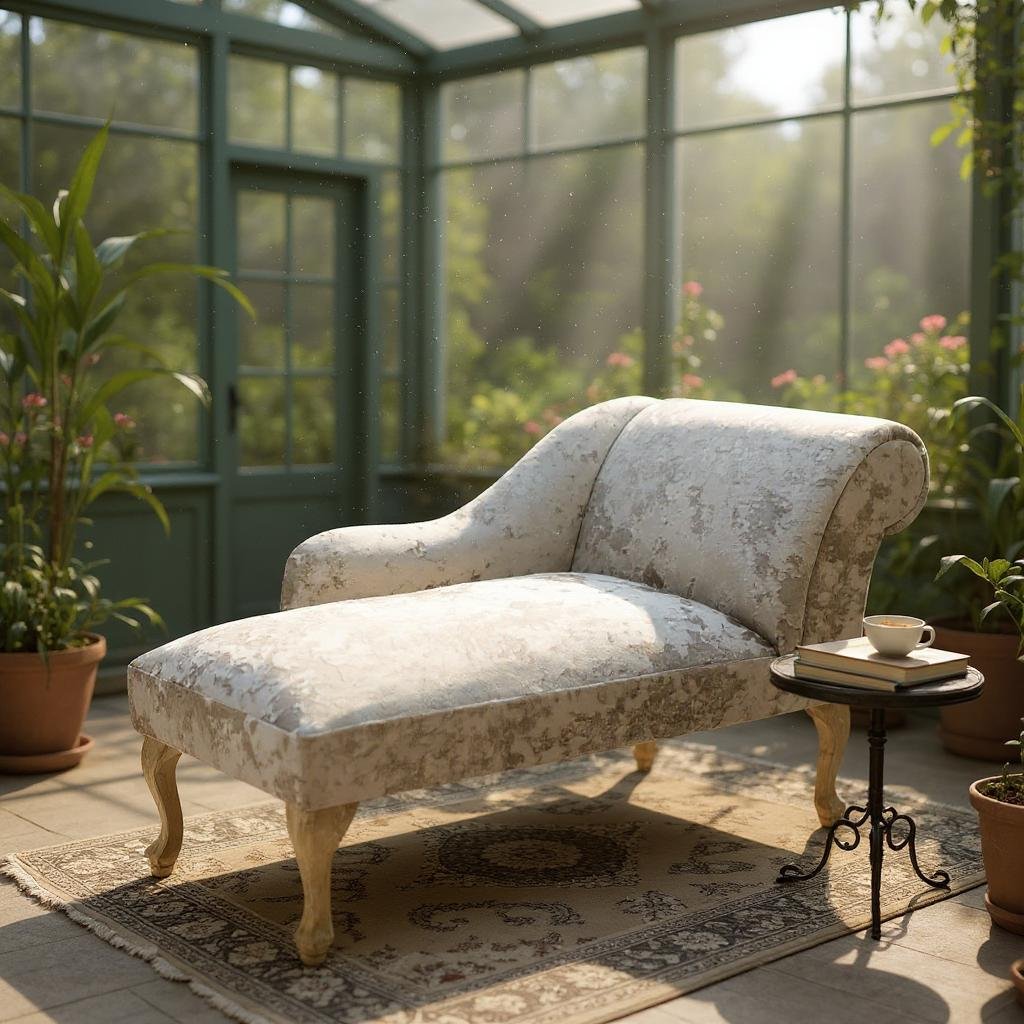
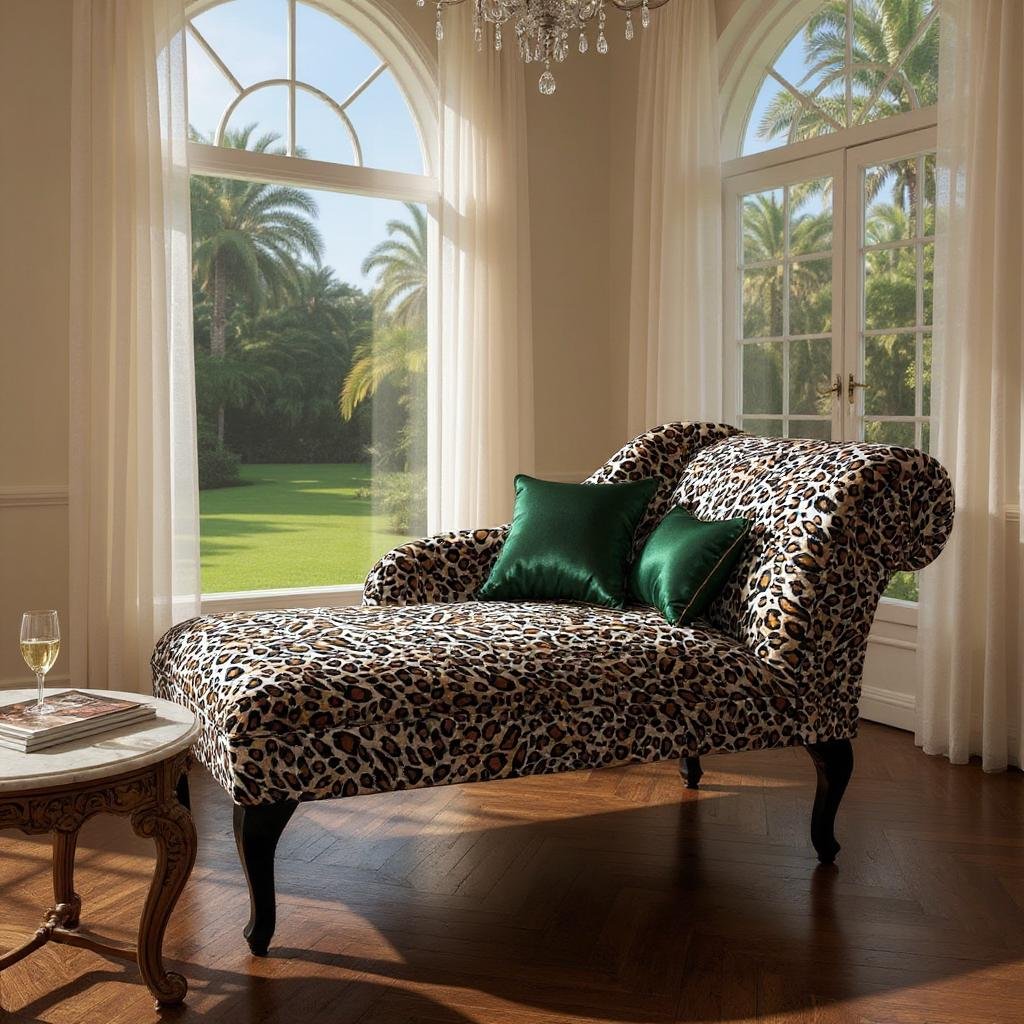
Acacia Home offers occasional chairs to help complete a room around your chosen lighting. Once you’ve settled on a fitting, consider how seating, texture and shape will work together: an occasional chair can create a reading corner beneath a wall light, while a footstool makes a useful companion beside an armchair. For a more formal setting, dining chairs bring a different silhouette; chaise longues and window seats can make a quieter spot feel thoughtfully furnished.
Explore these furnishings when you’re ready to coordinate the wider room, rather than choosing each piece in isolation. The right combination helps lighting and furniture feel connected without requiring identical finishes or styles.
Visit Acacia Home to explore the collection.
Let lighting shape the next layer of your home
Think of your chosen fitting as the beginning of a room’s atmosphere, not simply its finishing touch. Furniture around it can reinforce that feeling through shape, material and colour, creating a considered space without an overly matched look. Acacia Home offers occasional chairs, dining chairs and footstools, giving you options to build on the character of your chosen light.
As you make your final choice, picture how the room will feel during everyday moments: settling into a reading chair, gathering around the dining table or pausing beside a softly lit corner. These uses can help you decide which style belongs in your home.
Ready to take the next step? Contact Acacia Home about ceramic lighting and continue shaping a home that feels distinctly yours.
Frequently Asked Questions
What is ceramic lighting and what types are available?
Ceramic lighting uses ceramic in a fitting’s body, base or shade, combining illumination with a crafted surface. Available forms include table lamps, wall lights, wall washers, pendants and floor lamps. For example, a ceramic wall washer can direct light across a hallway wall, while a table lamp suits a console or bedside surface. Placement and the way you want light distributed help narrow the choice.
How much do ceramic lamps and pendant lights cost in the UK?
Price depends on the fitting type, design, finish, brand and what the listing includes. A table-lamp base sold without a shade differs from a complete lamp, so compare product descriptions carefully. Pendant designs can also vary in shape and number of lights. To assess options, compare products in the same category and check the precise model and included components, rather than relying on a general price estimate.
Where can you buy ceramic lighting in the UK?
You can buy ceramic lighting from UK retailers, including Acacia Home, through its website. As you browse, use filters or category names to distinguish table lamps, wall fittings and pendants. Read each product description to identify its finish and components, then consider how the fitting will work with your room’s existing furniture. This makes it easier to shortlist options that suit your space and intended use.
How does ceramic lighting compare with glass, metal and wooden lighting?
Ceramic has an opaque, tactile surface, while glass can keep a fitting visually light and transparent. Metal often gives a sharper, more defined finish; wood introduces natural grain and warmth. These materials can also work together: a ceramic base beside a glass accessory creates contrast without making the room feel uniform. Consider the surrounding surfaces and the atmosphere you want, rather than choosing solely by material.
What styles and colours of ceramic lighting are popular?
White, blue-and-white, glazed and unglazed finishes all feature in ceramic lighting designs. Shapes range from clean, square fittings to rounded lamp bases and more decorative pendants. Rather than assuming one colour suits every home, consider the room’s palette: a white fitting can blend with a pale wall, while blue-and-white ceramic can pick up colour in artwork or soft furnishings. Texture and sheen also affect the overall impression.

Comments