
Bay Window Seating Ideas UK: 9 Ways to Create a Beautiful, Useful Nook
What if the best bay-window seat isn’t a built-in bench at all? The right choice depends on how you want to use the space, whether that means curling up with a book, enjoying a quiet morning coffee or adding a seat when friends visit. These bay window seating ideas uk explore ways to make an awkward nook feel purposeful and inviting.
A fitted seat can create a seamless look and make use of the available area, but it’s a more permanent choice. Freestanding options, from an occasional chair to a window seat, are easier to move and can give the room a lighter, more flexible feel.
This guide covers nine ideas for different rooms and routines, with practical pointers on comfort, storage, cushions and lighting. You’ll also find ways to compare built-in and freestanding seating, measure the bay and create a nook that welcomes the daylight without making the room feel crowded.
Table of Contents
Bay window seating ideas: what makes a nook feel comfortable and considered?
Bay window seating can be as tailored as a fitted bench or as flexible as a chair and footstool arranged to suit the space. The best bay window seating ideas uk homeowners choose start with how the nook will be used, then balance comfort, access and the room’s existing character. Rather than treating the bay as leftover floor area, give it a clear purpose while keeping the rest of the room easy to use.
A bay window projects out from a building’s main wall, creating a distinct shape and often drawing the eye towards the light. The Bay window overview explains common forms and their history. At home, those angles can guide your styling, but there’s no need for the seat to follow every line. A considered arrangement feels connected to the room, leaves a comfortable route through it and invites you to settle in.
A built-in window seat is fixed to the bay; a freestanding arrangement uses movable furniture that can be repositioned as your needs change. One follows the architecture closely; the other gives you more freedom to adapt the layout.
Start with how you want to use the bay
Picture an ordinary day in the room. A reading spot for one person might call for a supportive chair, a footstool and a nearby lamp. A conversation nook needs seats angled towards the room, so people can talk without feeling tucked away. In a kitchen or dining space, the bay might serve as an informal place to sit, provided the arrangement works with the table and chairs.
Will one person use the seat, or do you need room for several? That affects how much usable seating you need and whether arms, cushions or a nearby side table will make it more comfortable. Check access too. Leave a clear path past the bay and avoid blocking doors, curtains or the room’s usual route. A beautiful nook should feel easy to use, not like an obstacle.
Choose a look that belongs in the room
Decide whether the bay should blend into the wider scheme or become a focal point. A seat in a similar colour or finish to nearby furniture creates a quieter look. A contrasting fabric or distinctive chair can draw attention to the window and add a more expressive note.
Let the bay’s details guide you without dictating the design. A curved outline, deep sill or crisp angles can inspire the shape and character of your seating, but the arrangement doesn’t have to mirror every line. Bring it together with cushions, upholstery and finishes that echo colours or textures elsewhere in the room. The result feels connected rather than over-matched, while the bay keeps its own personality.
9 Bay window seating ideas for different rooms and layouts
The most useful bay window seating ideas uk homes can borrow suit both the room and its everyday rhythm. A fitted seat follows the window’s outline, while movable furniture lets you adapt the nook or reclaim floor space. These nine options show different ways to give the bay a purpose, without assuming one layout works for every household.
Built-in and upholstered ideas for a tailored finish
A fixed seat can make a bay’s angles feel intentional. For everyday comfort, consider the seating surface, support and how you’ll use the space beneath it. Upholstery and cushions soften a crisp outline, while storage can be useful if it suits what you need to keep close.
Simple fitted bench. A bench that follows the bay’s angles creates a neat line in a living room or bedroom. Keep its depth and position in proportion to the room so it doesn’t dominate the view or obstruct movement.
Upholstered seat. A padded seat brings softness to a bay in a bedroom or sitting room. Choose a fabric and cushion arrangement that feels inviting, but leave enough usable surface to sit comfortably rather than filling it with decoration.
Storage bench. Space beneath a seat may be useful for items you want to keep nearby. Consider how you’ll reach the storage and avoid letting its contents make the seating awkward to use.
Loose cushions on a ledge. If the bay has a broad, suitable ledge, loose cushions can create a relaxed perch without a full bench. Check that the surface is appropriate for sitting and that the cushions stay comfortably in place.
Freestanding and flexible ideas for changing needs
Movable seating is a natural choice if you’d rather avoid permanent joinery or want to change the room over time. Arrange each piece with the bay’s shape in mind, then check that it works with the rest of the layout. For older homes, Historic England’s guidance on Listed Building Consent offers context if proposed changes could affect a listed building.
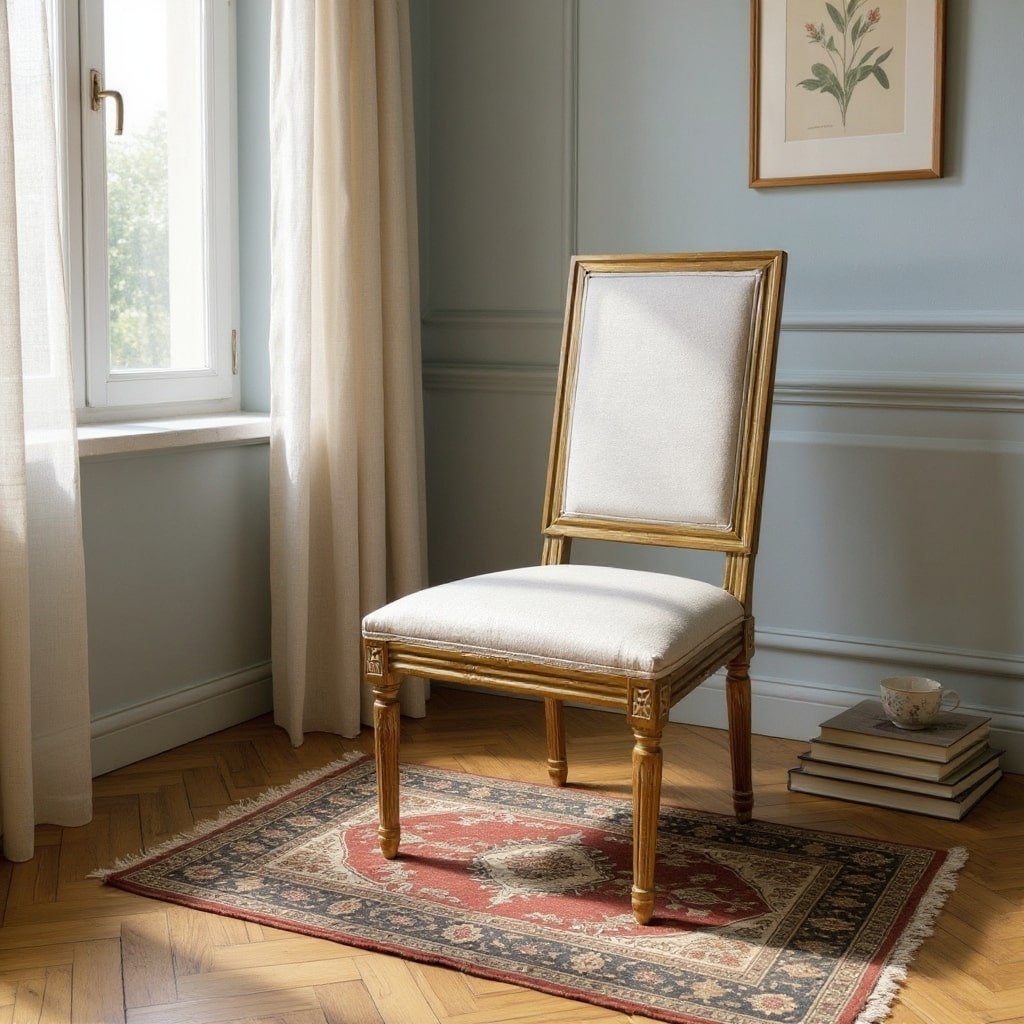
Occasional chairs. One chair or a pair can sit at an angle to echo the bay, making this a flexible choice for a living room. Leave room to pull the chairs out and walk past them.
Chaise longue. Where the bay and surrounding floor space allow, a chaise longue creates a graceful lounging spot in a bedroom or sitting room. Check that it won’t block access or crowd nearby furniture.
Bay dining bench. A bench can make a bay part of an informal dining area. Position it in relation to the table and allow enough space for people to sit down and move around it.
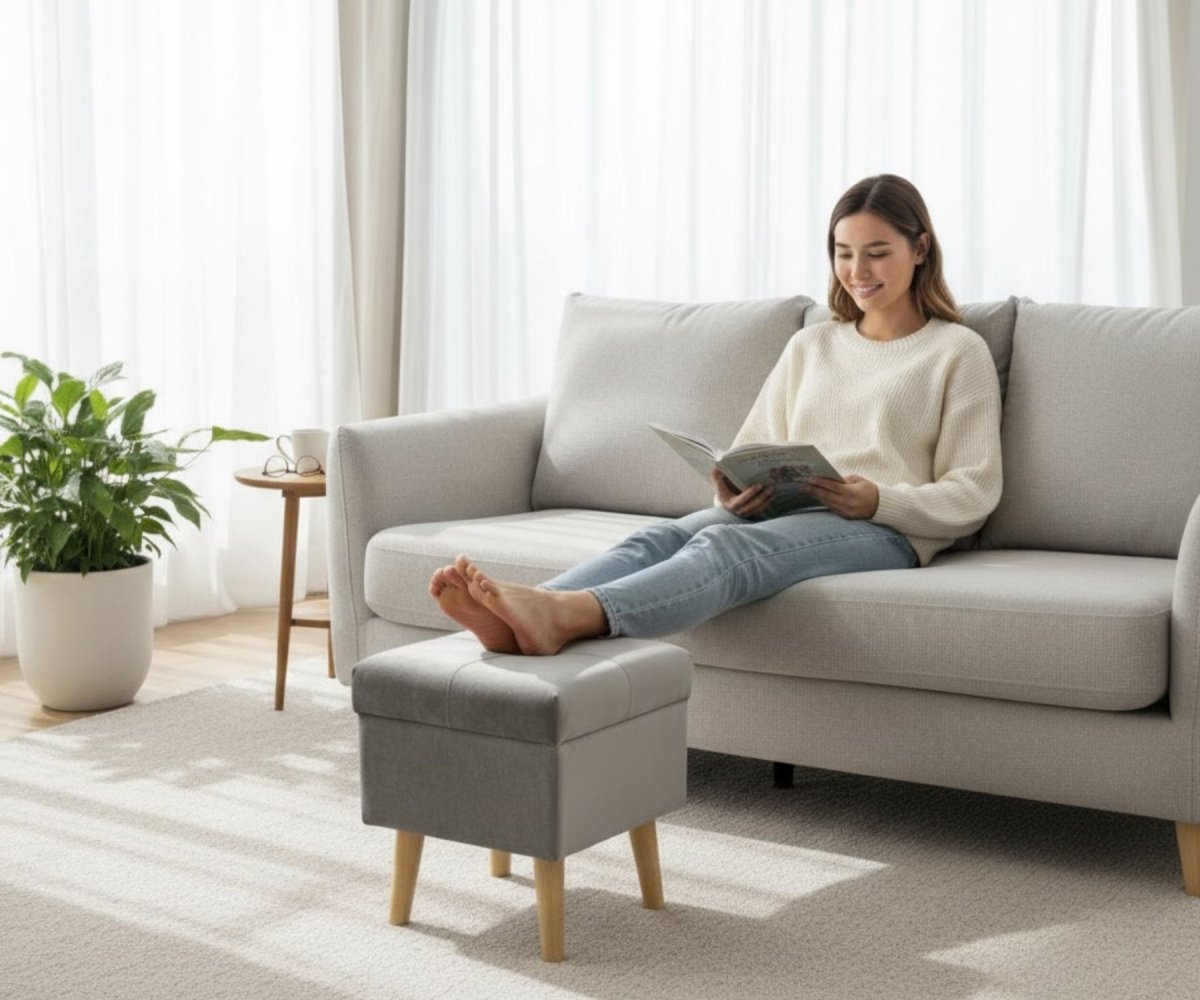
Compact reading arrangement. Pair a comfortable chair with a footstool and a nearby lamp for a dedicated reading nook. Keep the arrangement contained so it doesn’t spill into the room’s main route.
Paired conversation seats. Two smaller chairs turned slightly towards one another can make a sociable corner in a sitting room. This works best when there’s room for both seats without squeezing the space between them.
Choose seating for the room’s purpose and available floor space, not simply to fill the bay. If you’re considering a flexible layout, browse indoor furniture, including occasional chairs and window seats, as alternatives or companions to a fixed bench.
Built-in bay window seats or freestanding furniture: which suits you?
A polished bay-window nook doesn’t have to begin with custom joinery. A fitted seat can create a seamless line around an awkward angle, while a carefully chosen chair or window seat can look just as intentional and is easier to move. When weighing up these bay window seating ideas uk readers consider, focus on how closely the furniture needs to fit the bay and how much flexibility you want later.
When a built-in seat is the better fit
A fixed bench can make the most of angled walls and give a bay a unified, tailored appearance, particularly where standard furniture would leave awkward gaps. It’s a permanent design decision, so consider how you use the room now and whether that routine is likely to change. Storage may be incorporated beneath the seat, but its usefulness depends on the design and available space. Accurate measurements and installation planning are essential to a considered result. For homes undergoing broader renovations where traditional timber sash windows or custom architectural details need to align seamlessly with new woodwork, specialist manufacturers like ravenswoodjoinery.com can provide bespoke timber craft to suit the space.
When movable seating makes more sense
Freestanding furniture suits a room that needs to stay adaptable, or a household that would rather avoid a fixed installation. An occasional chair or window seat can define the nook without matching every angle. Before choosing, compare the furniture’s dimensions with the bay and account for skirting, curtains, nearby tables and the clearance needed to walk through comfortably. Browse indoor furniture for seating that could work on its own or complement a built-in bench.
For a reading nook, movable seating makes it easier to adjust the arrangement around a lamp, book or footstool. Explore the specific layout in our guide to creating a window-seat reading nook.
Choose built-in seating if a close fit and unified look matter most, and you’re comfortable with a permanent change. Choose freestanding pieces if flexibility, repositioning or using the furniture elsewhere matters more. Either approach can feel complete when its scale suits the bay and the rest of the room.
Plan your bay window seating around comfort, light and everyday use
A little planning helps the finished nook feel comfortable in daily life, not just attractive from across the room. Work through the decisions in order: measure the space, assess the bay and its surroundings, choose seating, then add finishing touches. This keeps the window’s shape, the room’s routines and the mood you want in view before you settle on a layout.
Measure each section. Record the width and depth of every part of the bay, including the angles where sections meet. Don’t assume the sides are symmetrical. Note skirting boards, window sills and any details that affect where furniture can sit.
Assess the setting. Check where daylight falls at different times, how much privacy you want and whether the windows need to open freely. Note the position of handles, doors, nearby furniture and radiators. Allow suitable space around a radiator so the seating doesn’t crowd it or disrupt airflow.
Choose the seating. Compare your measurements with the furniture’s overall dimensions, allowing for cushions and the space needed to sit down and move around. There’s no universal seat depth or height that suits everyone. Comfort depends on the design, intended use and people who’ll use it.
Style the nook. Once the layout works, add cushions, window treatments and lighting that complement the room without getting in the way.
Measure the bay and protect practical clearances
Measure each section rather than relying on a single width across the whole window. A bay may have different depths or angles from one section to another, and even a small mismatch can affect how a bench or freestanding seat fits. Sketching the outline and marking the measurements makes it easier to compare options. Include nearby furniture in your plan too, so you can check whether chairs can be pulled out and the usual route through the room stays clear.
Check that seating won’t make window handles difficult to reach or prevent doors from opening. If a radiator sits beneath or beside the bay, take its position into account and leave suitable space around it. The arrangement should feel comfortable without compromising access to windows or making everyday movement awkward.
Coordinate cushions, curtains and lighting
Use cushions to connect the seat with the wider scheme. A colour repeated elsewhere in the room can make the nook feel cohesive, while a different texture adds interest without demanding a dramatic change. Keep the number and arrangement practical: cushions should support the way you sit, not need constant moving before the seat can be used.
Window treatments can help balance daylight and privacy. Consider how curtains or blinds will hang in relation to the seat, and whether they’ll be easy to open and close. For evenings, a nearby lamp can bring a softer pool of light to the nook, provided it fits the layout and doesn’t obstruct the window or seating.
Once you’ve measured the bay and settled on a layout, explore indoor seating and furniture to find pieces that suit the space and the way you plan to use it.
Bring your bay window seating idea together with finishing touches
With the layout in place, choose details that suit both the room and the way you use it. Of all the bay window seating ideas uk homeowners can draw inspiration from, the right one is the option that feels comfortable in your home, not necessarily the one with the most elaborate finish.
Before adding accessories, decide what the seat needs to do on an ordinary day. Is it a quiet place to read, an extra perch for guests or a spot to pause with a cup of tea? Keep that purpose at the centre of your choices. A nook used every day may benefit from easy-to-move cushions and a throw, while a seat used occasionally can take a little more decorative layering.
Create a layered, personal finish
Start with the colours already in the room. One or two accent shades drawn from a rug, artwork or nearby upholstery can help the bay feel connected to the wider scheme. If the room is already full of pattern, textured cushions in a calmer colour can add depth without introducing another busy focal point. In a quieter space, a single patterned cushion may bring just enough personality.
Layer thoughtfully. A throw draped over one end of the seat adds softness and can be moved when you sit down. Cushions can support the way you relax, but shouldn’t take up so much room that the seat becomes awkward to use. Try the arrangement in everyday use, then remove anything that feels in the way.
Keep the window and seat easy to use. Avoid placing decorative objects where they block window handles, restrict curtains or take up the space needed to sit comfortably. A small side table can be useful if there’s room, but the finished nook doesn’t need an accessory on every surface. A little breathing space helps the bay remain restful.
Explore seating that complements your bay
A fitted bench doesn’t have to be the only seat in the room. An occasional chair can add a separate place to sit nearby, while a window seat offers another way to bring comfortable seating into the wider scheme. Choose a shape and finish that relate to the built-in seat without trying to make the two pieces look identical. That balance can make the room feel collected and considered.
Browse indoor furniture for complementary seating, including occasional chairs and window seats. Consider how each piece relates to the bay, the room’s colours and the clear space around it before settling on a final arrangement.
A welcoming bay is shaped by more than its seat: it brings together a useful layout, a comfortable place to settle and details that feel at home in the room. If you’re gathering ideas for the wider scheme, explore Acacia Home for indoor seating inspiration.
Make your bay a nook you’ll love using
Let the first version of your seating plan be a starting point, not a final commitment. Live with the arrangement and notice what feels natural: where you reach for a book, how easily you settle in and whether the nook suits the room at different times of day. Small adjustments can help it feel like part of your home rather than a corner you’re still trying to solve.
Keep your bay window seating ideas uk plan rooted in your own routine. A calm, useful nook doesn’t need to be elaborate; it needs to invite you to sit and feel at ease. Acacia Home offers occasional chairs, chaise longues and window seats to help bring seating into your wider scheme.
Explore seating inspiration at Acacia Home and find a fresh idea for making your bay feel welcoming. Start with a piece that suits the space and the way you want to use it.
Frequently Asked Questions
Can a bay window seat work in a small room?
Yes, a bay seat can work in a small room if the arrangement is kept in proportion to the space. A single compact chair may be easier to accommodate than seating that spans the whole bay, particularly if the room also needs space for a desk or bedside table. Mark the proposed footprint on the floor before choosing furniture, then check that the room’s main route remains easy to use.
How do you make a bay window seat comfortable for everyday use?
Choose seating that supports the way you actually sit, rather than styling it for occasional use alone. If you like to read upright, a supportive back and a nearby surface for a book may matter more than a deep lounging position. If you tend to sit with your feet up, consider a footstool. Try the arrangement during your usual routine and adjust cushions or accessories that make getting comfortable feel like a chore.
Can you create bay window seating without building a bench?
Yes, a bay can feel inviting with movable furniture instead of a built-in bench. An occasional chair can create a personal spot, while a window seat offers a more substantial alternative where its dimensions suit the space. For bay window seating ideas uk households can adapt over time, start with one piece and live with its position before adding more. This helps avoid crowding the room with furniture that doesn’t earn its place.
What can you store beneath a bay window seat?
A seat with accessible storage beneath it can hold items you use in the room, such as spare throws, books or children’s toys. Think about what you’ll need to retrieve and how often, then choose storage that makes those things straightforward to reach. Keep items dry and avoid packing the space so tightly that it becomes difficult to use. If the seat has no built-in storage, a nearby basket can keep a few essentials together.
How can you maintain privacy around a bay window seating area?
Choose a window covering that gives the privacy you want without making the nook feel closed in. A blind can be adjusted to cover the part of the window where privacy matters, while curtains can soften the room when drawn. Consider the view from outside at the times you’re most likely to use the seat, and notice how the covering affects daylight. Make sure it can be operated easily from the room.
Can a bay window seat work with curtains or blinds?
Yes, seating can sit comfortably alongside curtains or blinds if the fabric and fittings have room to move. Check where curtains gather when open so they don’t bunch behind a chair or become trapped between a seat and the wall. For blinds, keep handles and operating controls accessible. A small sample of curtain fabric can help you judge how its colour and texture look beside the upholstery before you settle on a scheme.
What should you consider when choosing cushions for a bay window seat?
Consider the seat’s shape, how firmly you like to sit and how much room cushions will take up. A cushion that’s too thick can reduce usable seating depth, while one that shifts easily may need frequent adjustment. Pick colours that relate to nearby furnishings, then use pattern or texture selectively for interest. If the seat is used daily, choose cushions that are easy to lift and put back after use.
Comments